

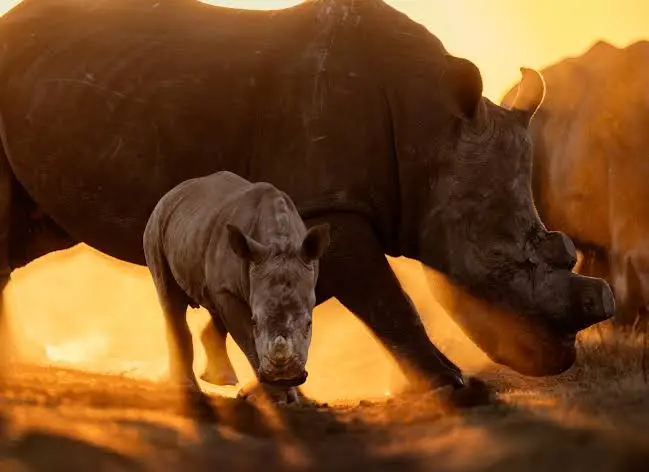
An extraordinary wildlife conservation project is underway in Africa, where teams of dedicated experts are working to relocate thousands of southern white rhinos to safer habitats in an ambitious effort to protect the species from extinction.
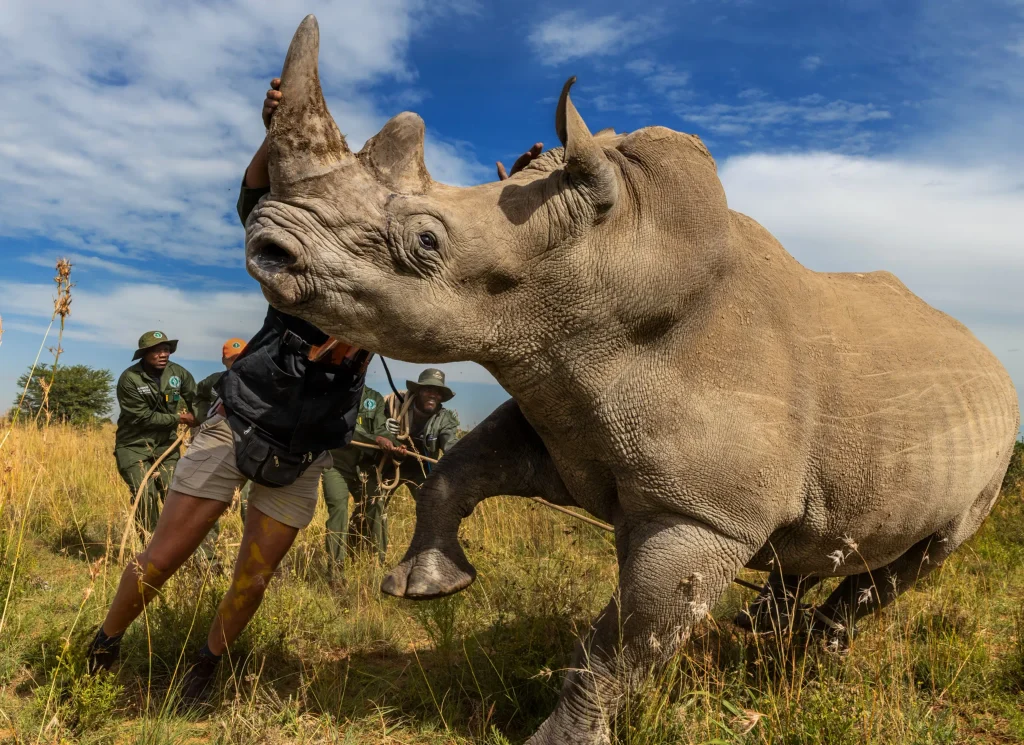
The massive operation, led by the nonprofit organization African Parks, involves moving approximately 2,000 rhinos from a former private breeding ranch in South Africa to protected reserves across the continent.
The project has already achieved remarkable results, with hundreds of animals successfully relocated, dozens of new calves born, and growing populations established in areas where rhinos had previously disappeared.
However, behind these achievements lies an incredibly difficult mission filled with dangerous animal rescues, complicated logistics, and the constant threat of poaching.
A Massive Rhino Herd in Need of Rescue
The story began with South African businessman John Hume, who spent years building what became the world’s largest privately owned rhino population.
Hume, a hotelier with a passion for wildlife, believed breeding rhinos could help protect them from poachers who kill the animals for their valuable horns.
Over approximately 14 years, he purchased hundreds of southern white rhinos and established an extensive breeding operation on his ranch near Klerksdorp, South Africa.
By 2023, the property was home to around 2,000 rhinos, representing a significant portion of the world’s remaining white rhino population.
However, maintaining such a large herd came at an enormous financial cost.
Hume reportedly spent approximately $200 million on the animals over the years, including the expenses associated with feeding, veterinary care, and protection against poachers.
His controversial business model depended partly on the possibility of legally selling rhino horns harvested from living animals.
Unlike elephant tusks, rhino horns can regrow after being carefully removed under veterinary supervision.
Hume believed a regulated international market could reduce incentives for illegal poaching while generating money to support rhino conservation.
However, major conservation organizations opposed the idea, arguing that legalizing the international horn trade could increase demand and create opportunities for criminal networks.
Without access to the global market he had envisioned, Hume’s financial resources eventually became exhausted.
By 2023, the ranch was struggling, and concerns were growing about the animals’ welfare.
That year, approximately 100 rhinos reportedly died on the property.
African Parks Steps In With an Ambitious Plan
Recognizing the seriousness of the situation, African Parks co-founder and CEO Peter Fearnhead decided to intervene.
The nonprofit organization, established in 2000, manages wildlife reserves across Africa in cooperation with national governments.
Fearnhead secured financial support from Walmart heir Rob Walton, allowing African Parks to purchase Hume’s property for approximately $13 million in 2023.
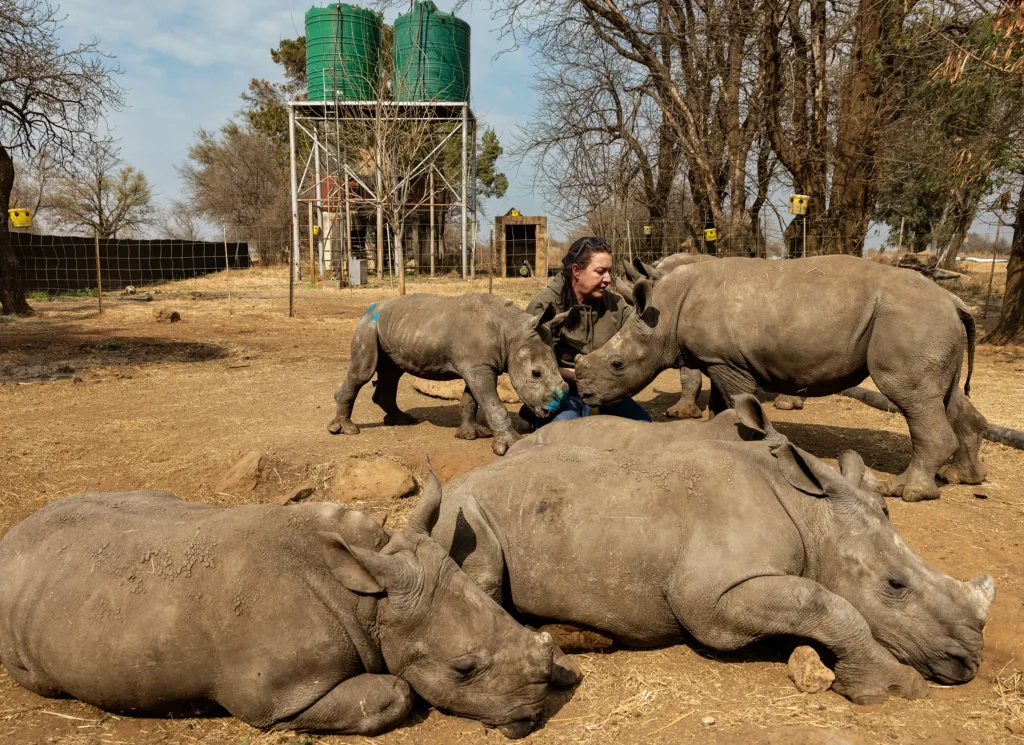
The immediate objective was to improve the health and welfare of the animals.
Under the supervision of conservation specialist Donovan Jooste, the ranch’s management was reorganized, and the rhinos began receiving improved care.
According to Jooste, the number of deaths dropped dramatically, with 29 recorded in 2024.
But Fearnhead had a much larger vision.
Instead of keeping thousands of rhinos together on a single property, he wanted to distribute them among protected reserves across Africa.
The idea was to establish multiple breeding populations in different locations, reducing the risk that poaching, disease, or another disaster could threaten such a large share of the species at once.
The project became known as a missio