

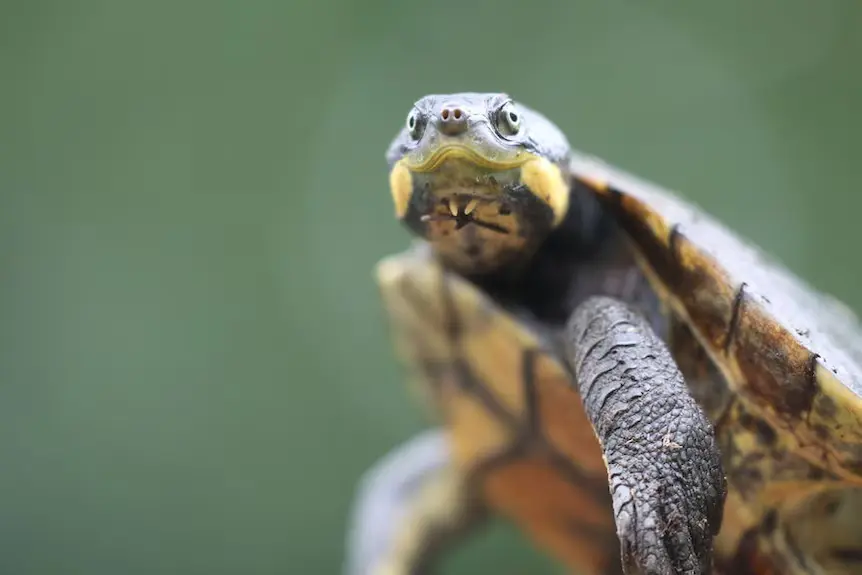
New underwater surveys have brought hopeful news for one of Australia’s rarest freshwater turtles. A year after severe flooding hit northern New South Wales, the endangered Manning River turtle appears to be holding steady.
The Manning River turtle, also known as the helmeted turtle, is found only on the NSW Mid North Coast. Because of its limited range, scientists have been closely monitoring the species to understand how it is coping with environmental pressures.
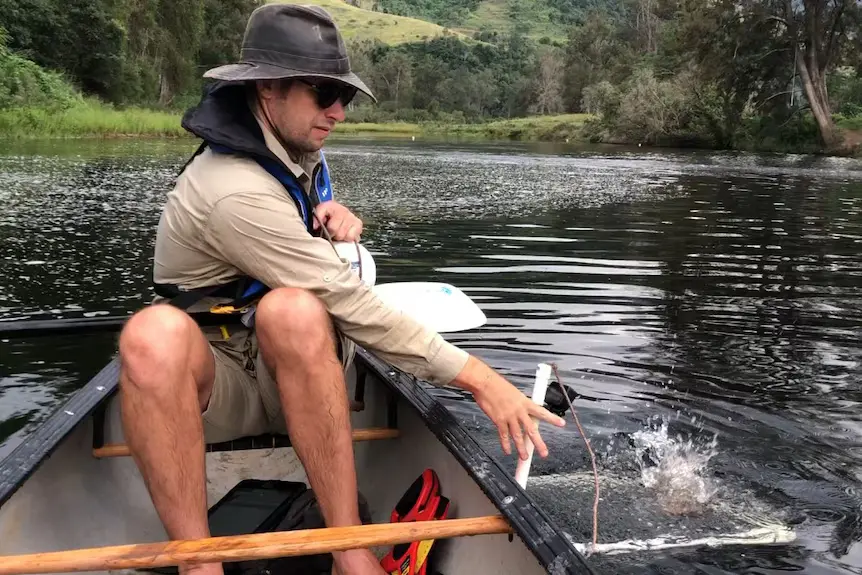
In May 2025, the Manning River reached record flood levels. The powerful floodwaters damaged riverbanks, carried debris and pollution through the system and raised concerns about the health of aquatic wildlife.
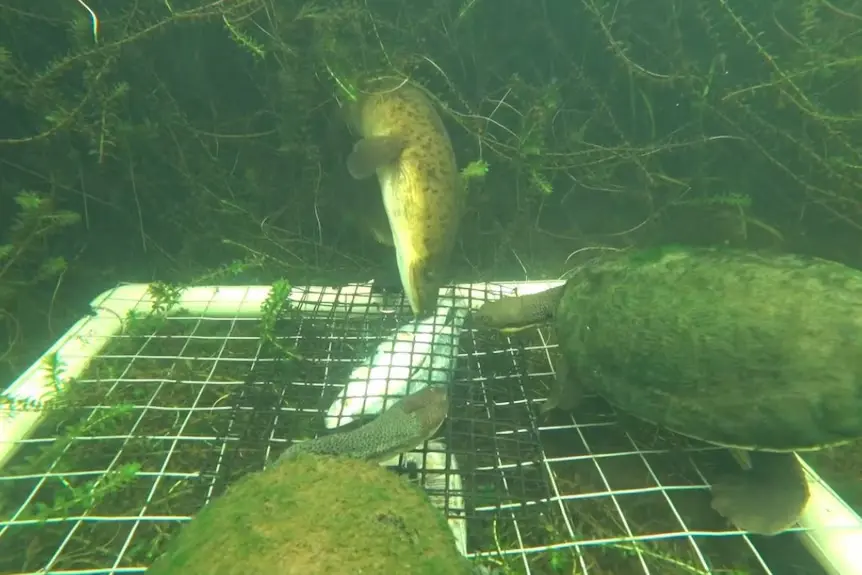
Researchers were unsure how the Manning River turtle would respond to such a major event. But recent underwater video surveys showed that the turtles are still being found in expected areas and in numbers similar to those recorded before the flood.
Daniel Coleman, a senior eco-hydrologist with the NSW Department of Climate Change, Energy, the Environment and Water, said researchers were relieved by the results. Floodwaters can be extremely dangerous, and it was not clear whether the turtles would be able to survive such harsh conditions.
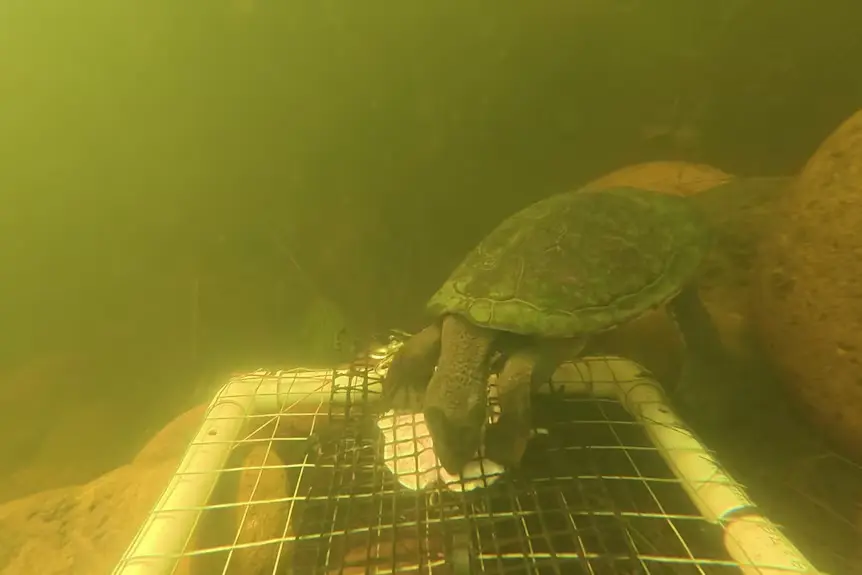
The species has been monitored annually over the past four years across several river systems, including the Barnard, upper Barrington and upper Gloucester rivers. This year, researchers surveyed 26 sites and recorded 27 Manning River turtles.
They also found 96 eastern long-neck turtles and 75 Murray River turtles, an introduced species.
When the latest numbers were compared with last year’s survey data, researchers found that the Manning River turtle population had remained stable, despite the expected effects of flooding.
However, the surveys also showed that some turtles may have been pushed downstream by the floodwaters, away from their preferred habitats near river headwaters. Scientists will continue watching to see whether those turtles stay in their new locations or eventually move back upstream.
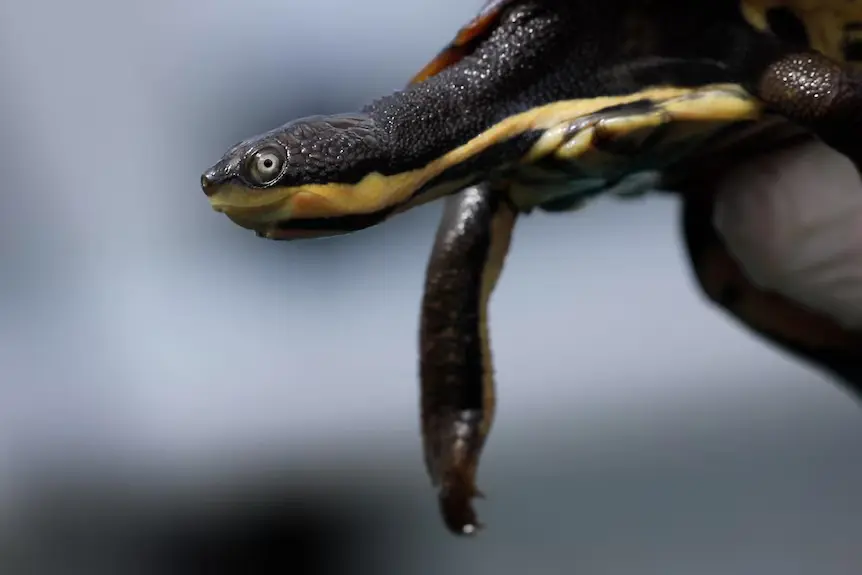
Although some parts of the population appear strong, other areas are still struggling. Researchers hope to better understand what is causing those differences. Possible factors include fox predation, drought and land-use changes.
The total number of Manning River turtles in the wild is still unknown. Scientists hope that continued surveys over the next few years will help produce a more accurate population estimate.
The surveys also revealed encouraging signs for other wildlife. Some fish species, including freshwater herring and juvenile Australian bass, appear to be thriving after the floods. High water levels may have created opportunities for these fish to breed and move through the river system.
The Manning River itself may also help support resilience. It is a large and unusual double-delta river system with two permanent entrances to the ocean, as well as many branches and strong perennial streams in its headwaters.
Researchers plan to continue monitoring the turtle each year, especially after major floods and periods of drought. Long-term data will help show whether populations are increasing, declining or shifting across the catchment.
Alongside wild monitoring, a captive breeding program run by Aussie Ark and the Australian Reptile Park is helping create an insurance population for the species. Other conservation work is also being supported by local councils, land services and threatened species teams.
For now, the surveys offer a promising sign. Despite one of the most intense floods in recent memory, the Manning River turtle is still surviving in the rivers it calls home.