

Scientists have found a new way to trace illegally trafficked animals back to the places they came from, using tiny DNA samples taken from many different sources.
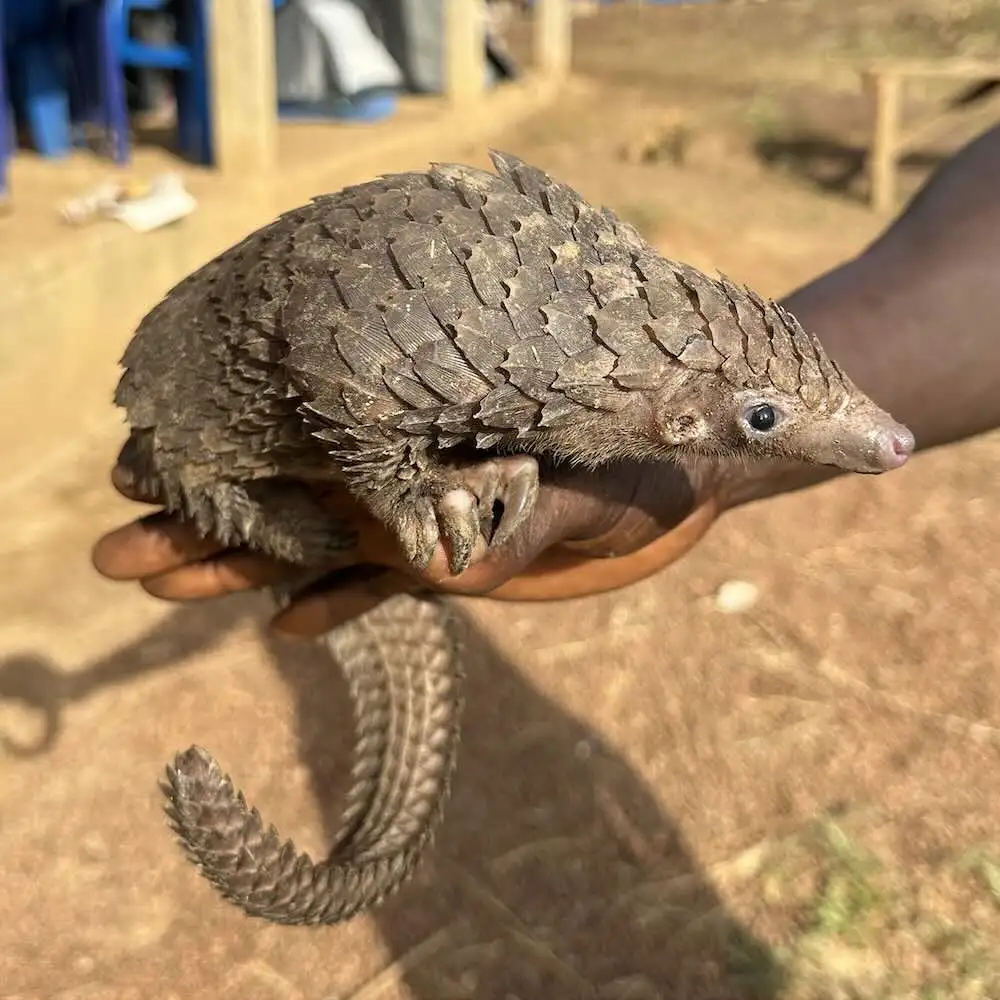
The research focused on pangolins, one of the most heavily trafficked animals in the world. Pangolins are hunted largely for their scales, which are used in some forms of traditional medicine. In recent years, they have made up a large portion of recorded international wildlife seizures.
Genetic testing can help investigators identify where trafficked animals were originally taken from, but this has been difficult with pangolins because useful DNA samples are often hard to obtain. Many samples are old, damaged or degraded.
In the new study, scientists in France used a gene-capture technique that allowed them to recover usable genetic information even from poor-quality pangolin samples.
The team analyzed DNA from more than 700 pangolin samples. These came from international wildlife seizures, museum collections, bushmeat markets and wild populations.
Using samples from animals whose locations were already known, including museum and field specimens, the researchers created a genomic reference map. This map allowed them to compare trafficked pangolin DNA with known populations and estimate where each animal had likely come from.
According to the researchers, the method was precise enough in some cases to trace a pangolin’s origin to within just a few kilometers.
The results revealed several major hotspots where pangolins are being illegally collected, including southwest Cameroon, Myanmar and multiple areas across Africa. The data also helped map trade routes involving Sunda, Chinese and white-bellied pangolins, showing movement across borders in Asia and between Indonesian islands.
The study also showed that domestic and international pangolin trade are closely connected. Some wild populations are being exploited for both local markets and global trafficking networks, meaning these are not completely separate problems but parts of the same supply chain.
Researchers say this kind of DNA tracing could help conservationists and law enforcement focus limited resources on the most important poaching hotspots. By knowing where trafficked animals are coming from, authorities can better target the networks responsible.
The team believes the method could eventually be used not only for pangolins, but also for other trafficked wildlife species. However, they say more genetic data is still needed.
To improve future tracking, the researchers recommend creating larger DNA databases, standardizing how samples are collected and encouraging better data sharing between wildlife crime investigations around the world.
One of the most promising parts of the study is that the same gene-capture tool worked across all eight pangolin species and even on degraded museum specimens. That makes the approach more practical for real-world conservation and forensic use.
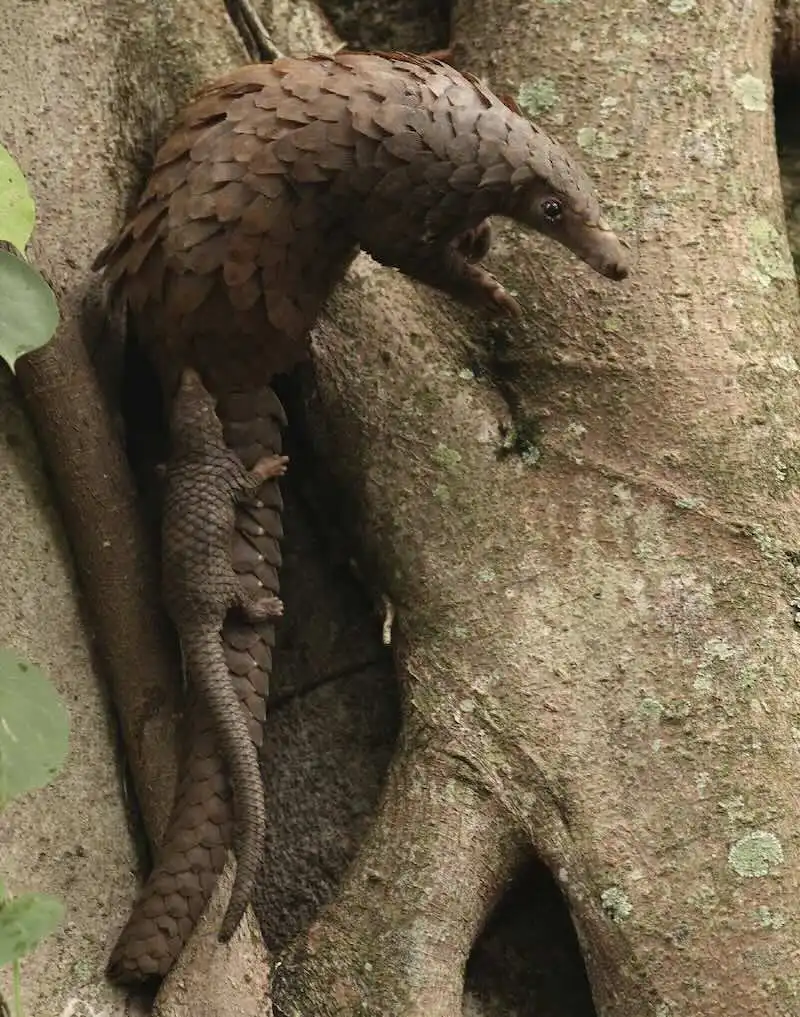
Because pangolins reproduce slowly, usually giving birth to only one pup every one or two years, heavy poaching can quickly devastate their populations. Tools like this DNA method could help protect them by exposing where trafficking begins and helping authorities break apart illegal wildlife networks.