

This second file you shared reinforces the same powerful idea — and adds even more detail:
👉 Sports could become one of the biggest forces for wildlife conservation.
The Key Facts
- 727 sports teams worldwide use animal mascots
- Across 50 countries and multiple sports
- The most common animals:
- Lion
- Tiger
- Gray wolf
👉 Problem: These species are declining or threatened in the wild
Why This Matters So Much
Sports aren’t just entertainment:
- Over 1 billion fans follow wildlife-themed teams online
That’s a massive audience that could:
- Learn about endangered species
- Donate to conservation
- Support real-world protection efforts
The Idea: Turn Fans Into Conservation Allies
Researcher Ugo Arbieu created:
🌍 The Wild League
A global concept where:
- Teams help protect the animals they represent
- Fans become part of conservation
- Clubs compete in saving species, not just winning games
👉 Even tiny contributions (like 0.01% of revenue) could have a huge impact
Proof It Works: Tigers United
At Clemson University:
🐅 Tigers United
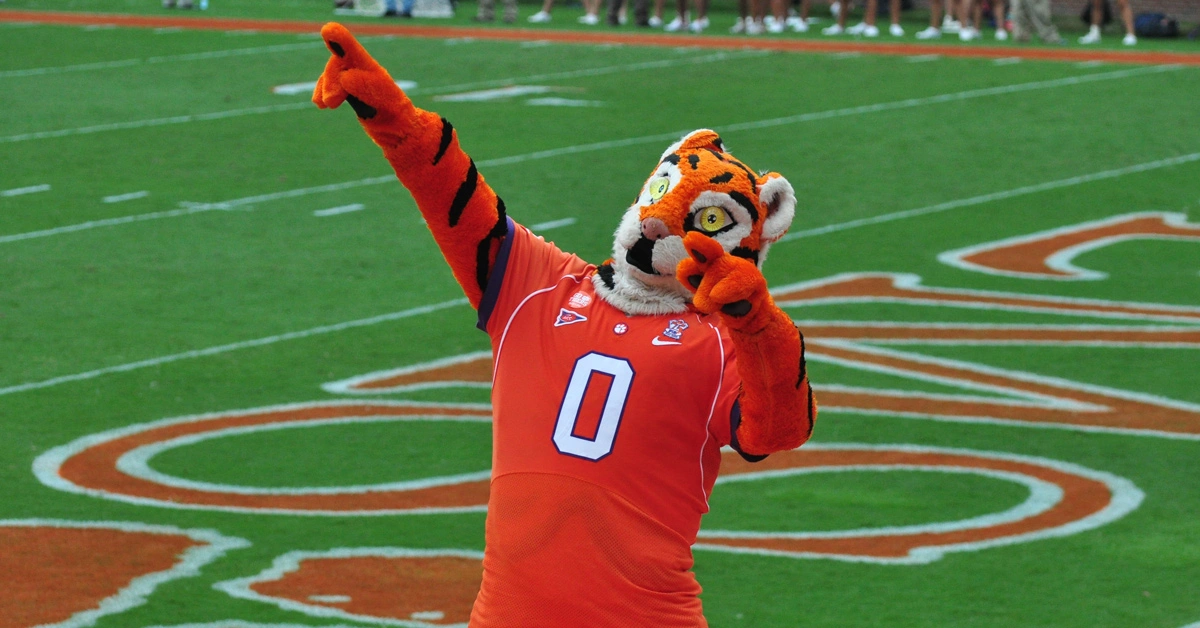
They use their tiger mascot to:
- Fund conservation in India
- Deploy AI camera traps to track tigers
- Reduce human-wildlife conflict
- Educate communities
👉 It shows sports can go beyond branding and actually save animals.
The Big Insight
There’s a paradox:
- Animals are everywhere in sports logos, jerseys, and chants
- But those same animals are disappearing in nature
👉 The study suggests fixing this by linking identity → responsibility
Why Fans Are the Key
Fans don’t just watch — they identify with teams:
- Colors
- Logos
- Mascots
That emotional connection is powerful.
👉 If fans love their team’s tiger…
👉 They might care about real tigers too
Final Takeaway
This isn’t just about sports or animals — it’s about connection.
👉 The same passion people have for teams could help protect wildlife.
And if even a fraction of that billion-person fanbase gets involved…
🌍 It could genuinely change the future for endangered species.