

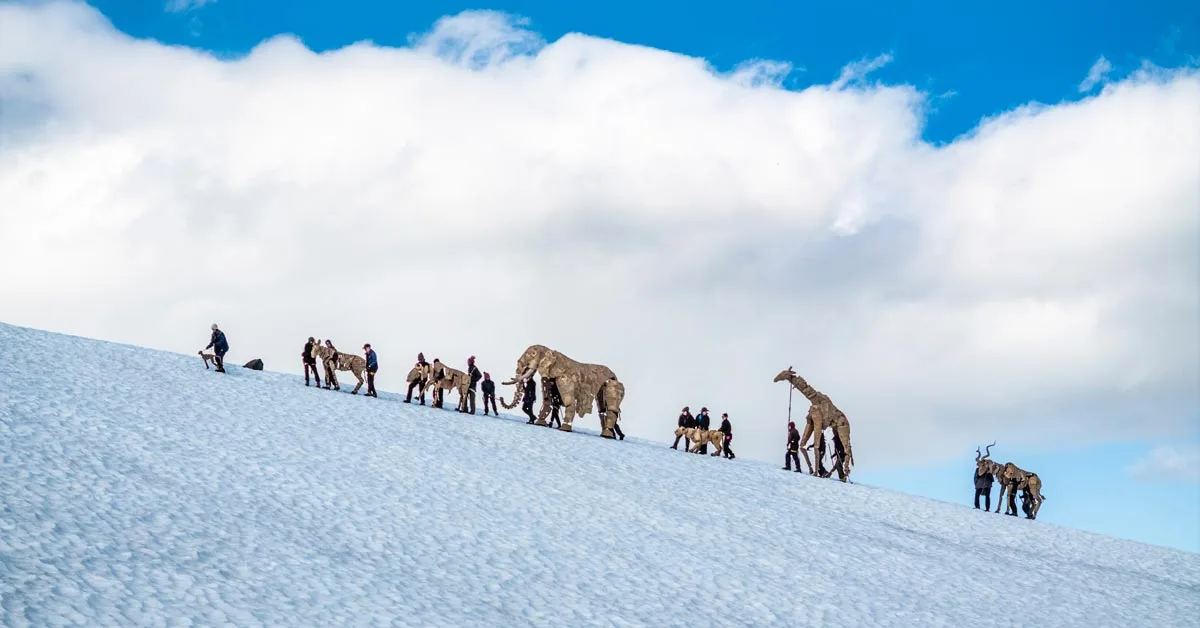
Earlier this year, a striking procession of enormous, life-sized animal puppets embarked on an ambitious international journey to draw attention to the climate crisis.
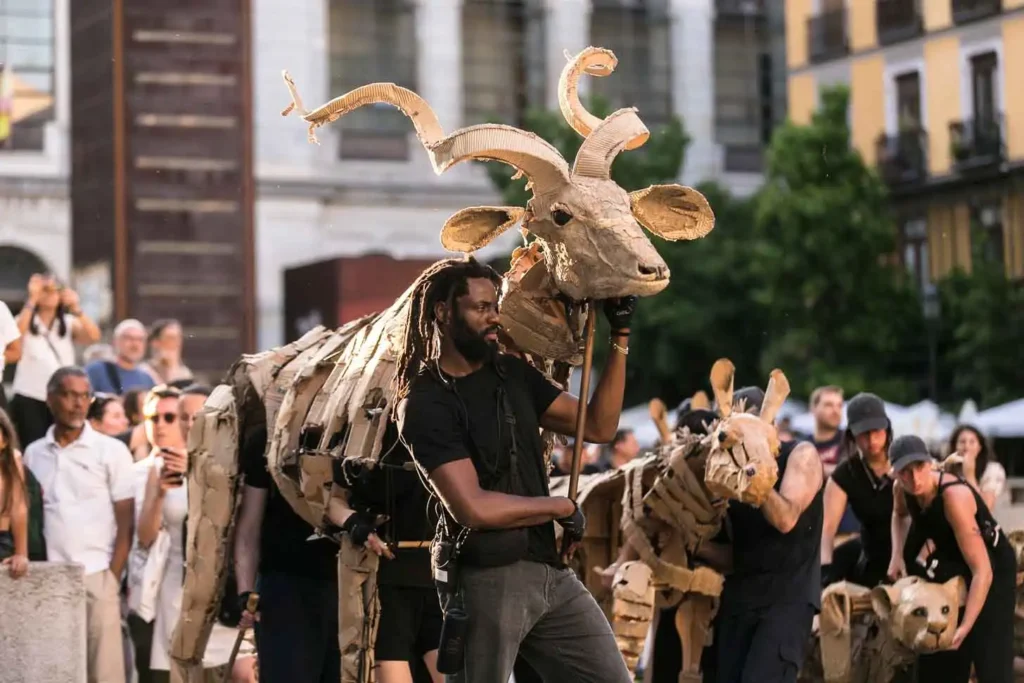
Constructed from recycled materials and guided by a collective of roughly 60 puppeteers, the animals traveled more than 20,000 kilometers — about 15,500 miles — beginning in the Congo Basin and ending at a rapidly melting glacier within the Arctic Circle.
The project was produced by The Walk Productions in collaboration with a global network of artists, organizers, and creative partners. Together, they specialize in large-scale participatory art designed to spark dialogue, challenge perspectives, and inspire social change.
The initiative, titled The Herds, follows earlier work by the same team, including Little Amal — a 12-foot puppet representing a young refugee girl who journeyed from Turkey to the United Kingdom and engaged with more than two million people across 17 countries.
Artistic director Amir Nizar Zuabi, a Palestinian theater director, conceived The Herds while touring internationally with Little Amal. As he traveled, memories from his childhood in Palestine resurfaced — particularly watching vast migrations of birds crossing between Africa and Europe.
In a 2024 TED Talk announcing the project, Zuabi recalled lying in the desert as millions of birds filled the sky, moving together in awe-inspiring formations. Those moments, he said, shaped his understanding of the world and humanity’s place within it.
Over time, however, those flocks grew smaller. Zuabi noticed the same decline while walking through Europe with Amal, often scanning the skies and finding them emptier than before. To him, the disappearance of birds felt deeply connected to human displacement and global instability — two forms of migration growing increasingly fragile.
That realization sparked a question: could an artistic project address climate change with the same emotional impact that Little Amal brought to conversations about refugees?
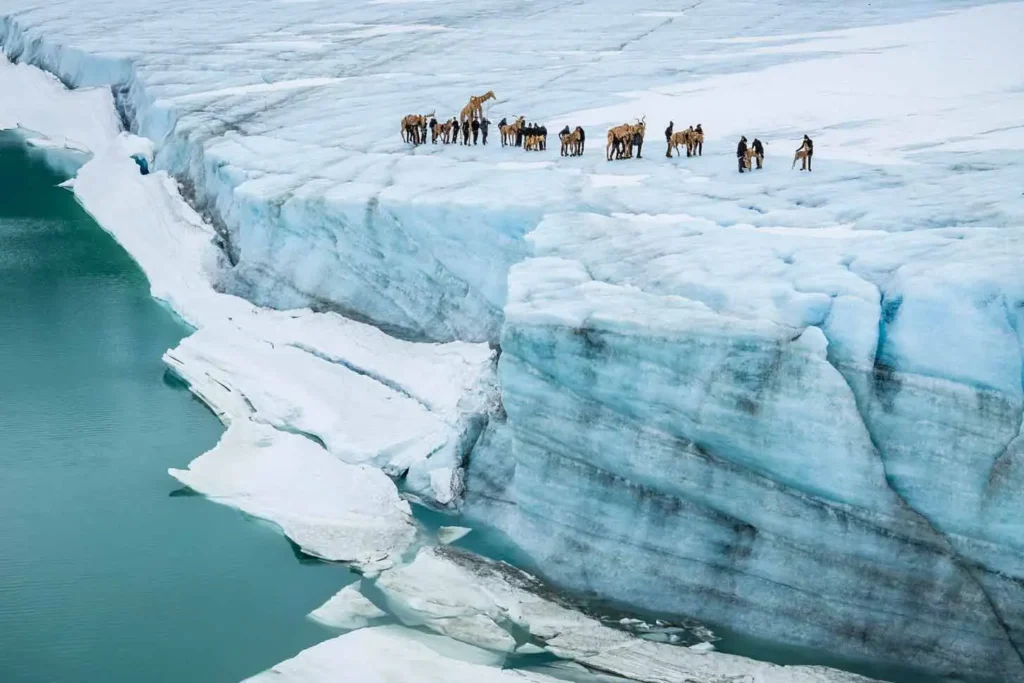
From that idea, The Herds emerged — a symbolic narrative of animals fleeing environmental danger, only to reach the far north where melting ice signals that no place is truly safe.
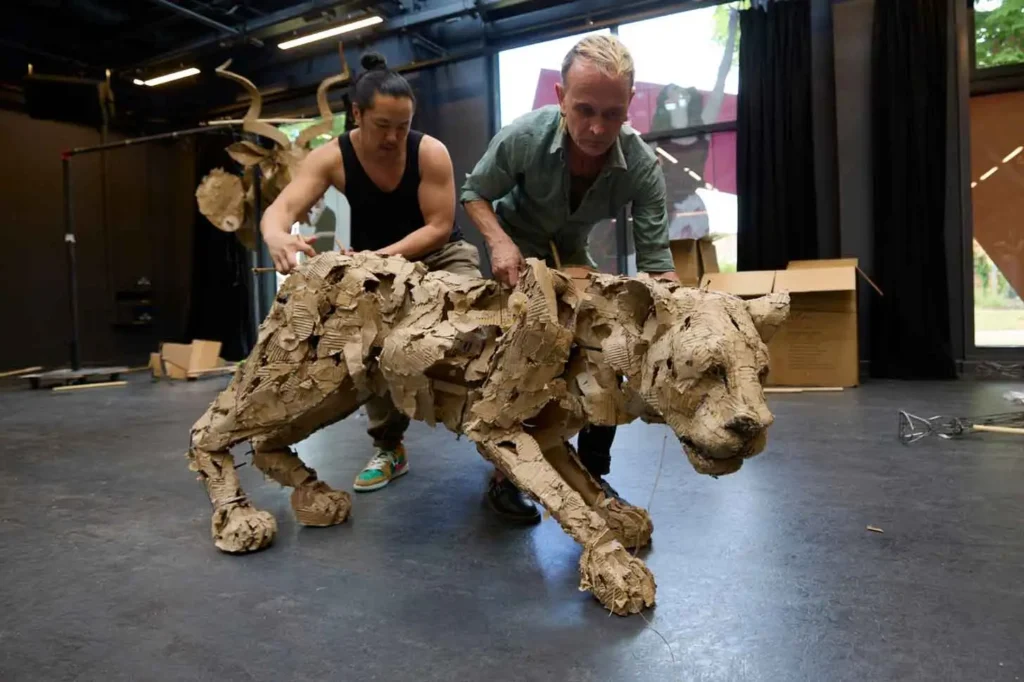
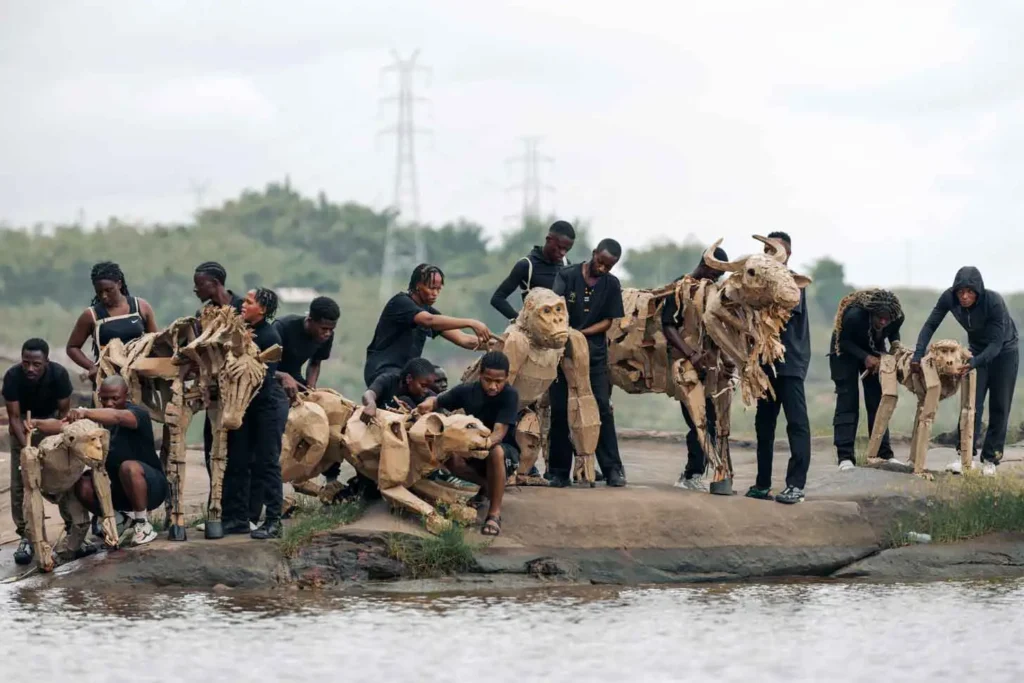
The first animal puppets were created by Ukwanda Puppetry and Designs Art Collective in Cape Town, South Africa. As the project moved from country to country, local communities were invited to participate, learning how to build and animate new puppets along the way.
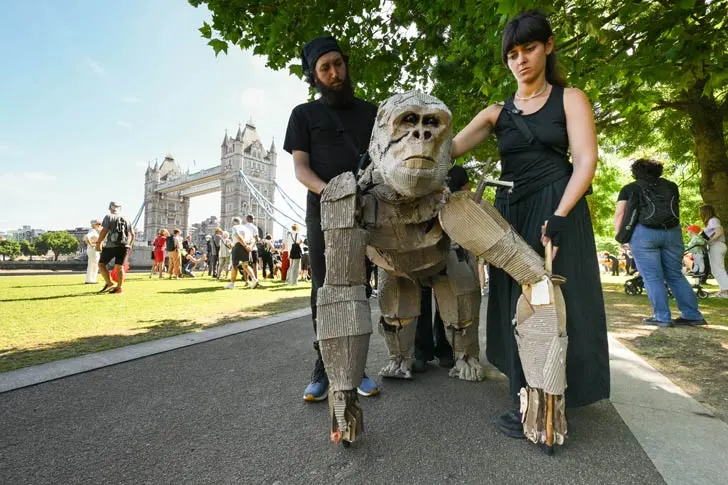
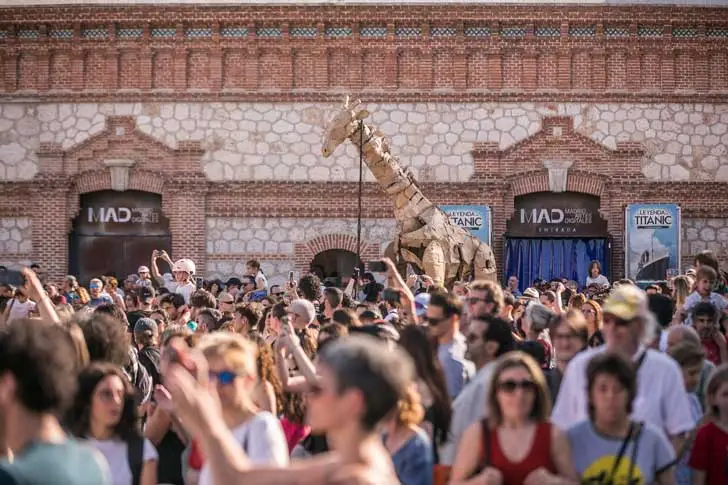
By the end of the journey, more than 1,000 people had been trained as puppeteers, contributing to 56 public performances across 11 countries, according to reporting by Euro News. The growing herd reflected the project’s evolving nature, with new animals joining as others moved on.
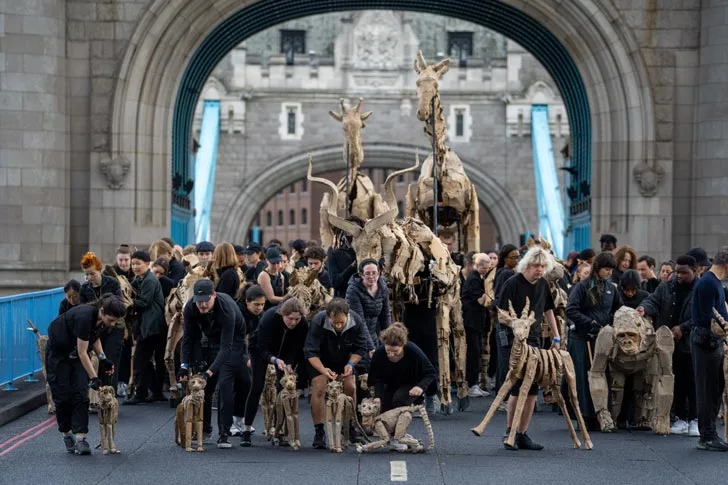
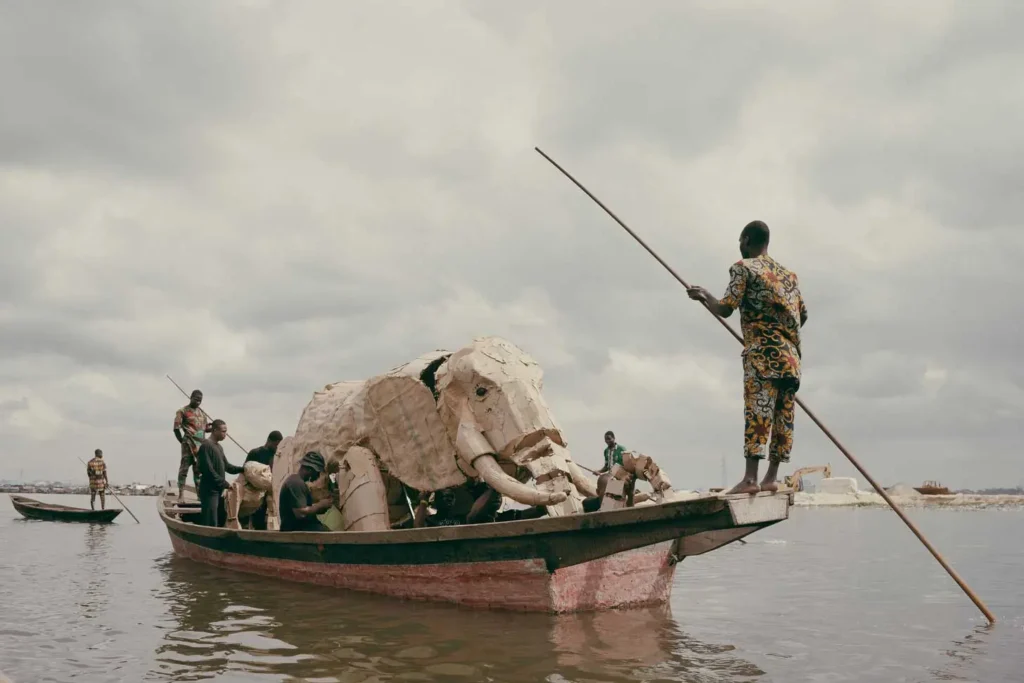
The puppets — including giraffes, elephants, gorillas, zebras, hyenas, and lions — traveled by foot, boat, and plane. Their path stretched from the Congo Basin Rainforest through major cities like London and Paris, ultimately reaching Jostedalsbreen National Park in Norway.
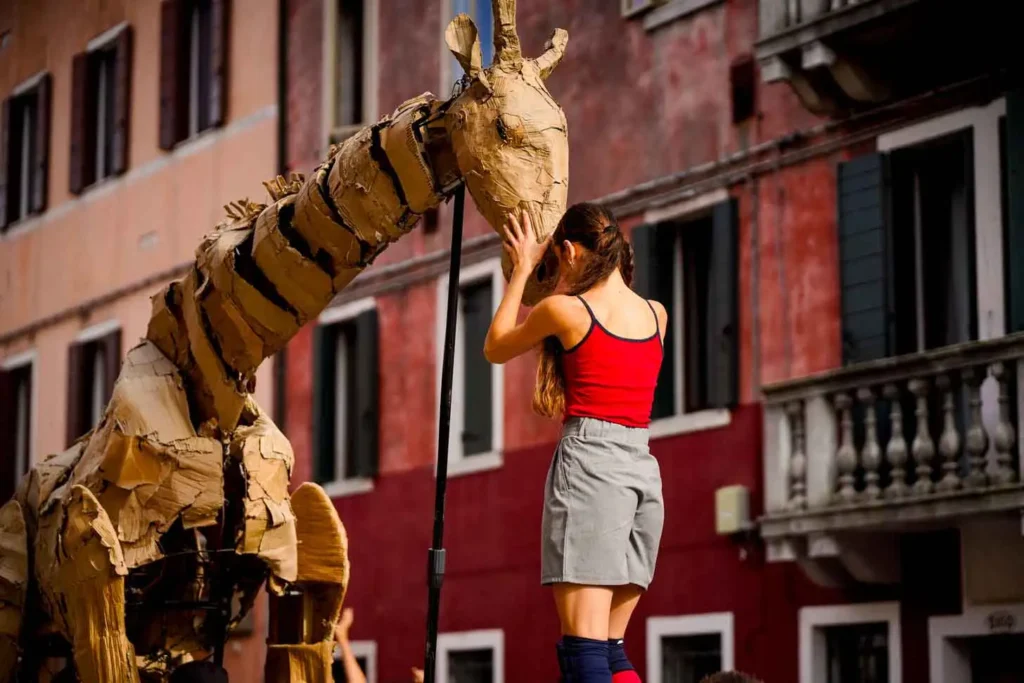
Zuabi has emphasized that placing the performances in everyday urban environments was essential. By bringing the animals into familiar streets and public spaces, the project aimed to confront audiences where they feel most comfortable — and challenge that sense of safety.
He has described animals as nature’s early warning system, pointing to how birds and herds often react to disasters before humans do. Through The Herds, Zuabi sought to disrupt public indifference and make the climate emergency impossible to ignore.
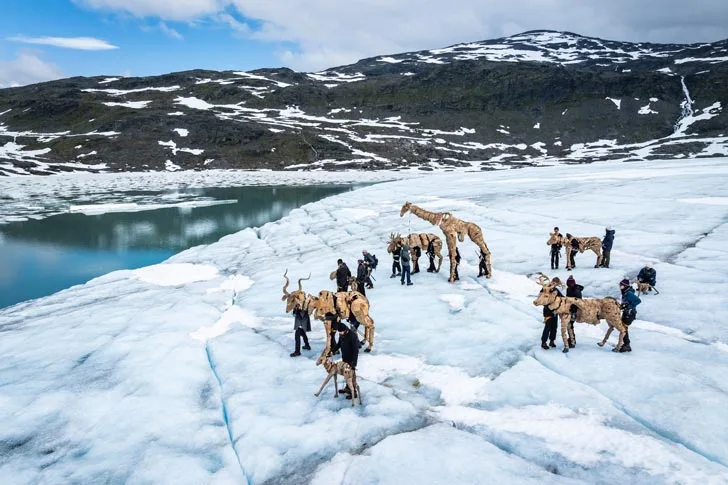
From April through September 2025, the project used spectacle, emotion, and beauty to transform abstract environmental data into something deeply personal.
Zuabi has acknowledged that art alone cannot fix the world overnight. Still, he believes it can shift perspectives — especially when beauty is used to evoke care and responsibility.
Scientific language, he argues, often fails to inspire action. Beauty, however, creates connection. And when people witness predators and prey running side by side — lions with gazelles, wolves with deer — fleeing a catastrophe caused by humans, the question becomes unavoidable: what role do we play in that story?
By blending imagination with reality, The Herds invites viewers to see themselves not as distant observers, but as part of the narrative unfolding around them.