

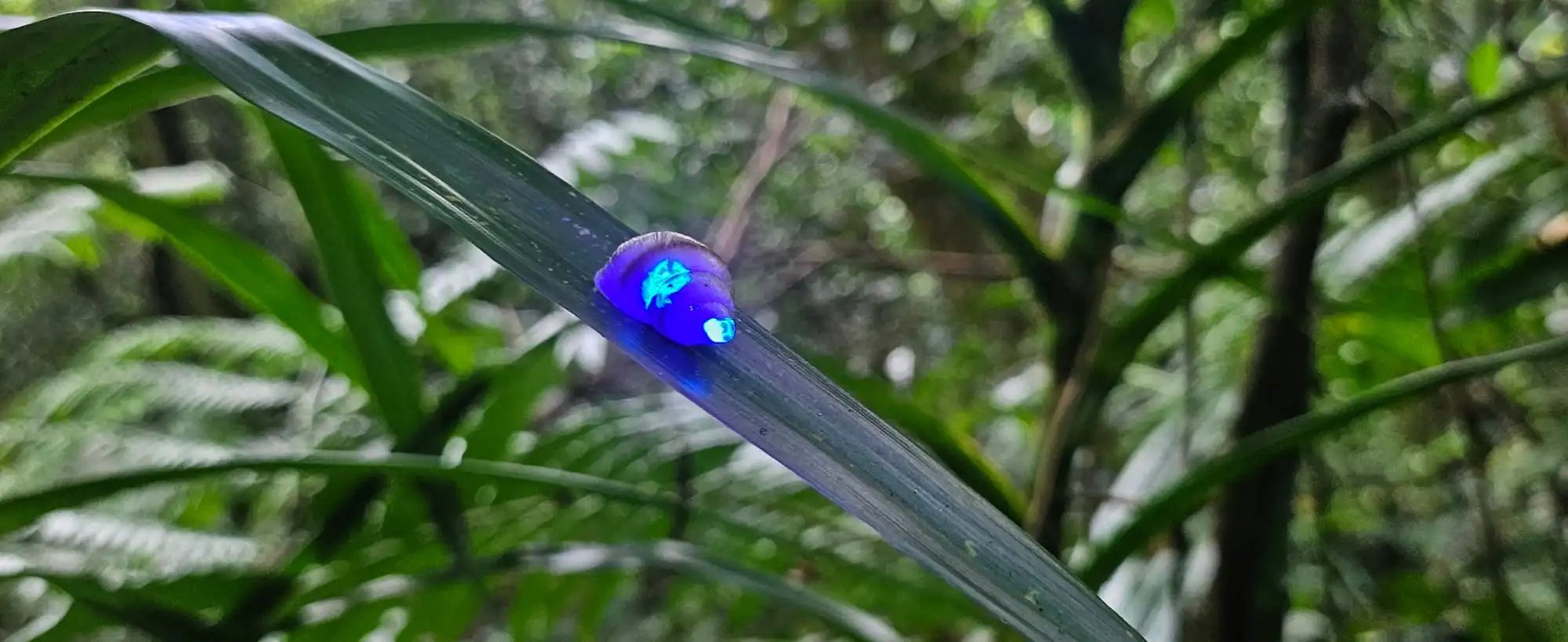
More than 7,000 Partula snails—species that are either Extinct in the Wild or Critically Endangered—have been released across four islands in French Polynesia, marking the largest reintroduction effort for these rare molluscs so far.
To track the nocturnal snails after their release, conservationists placed a tiny white UV-reflective dot on each shell.
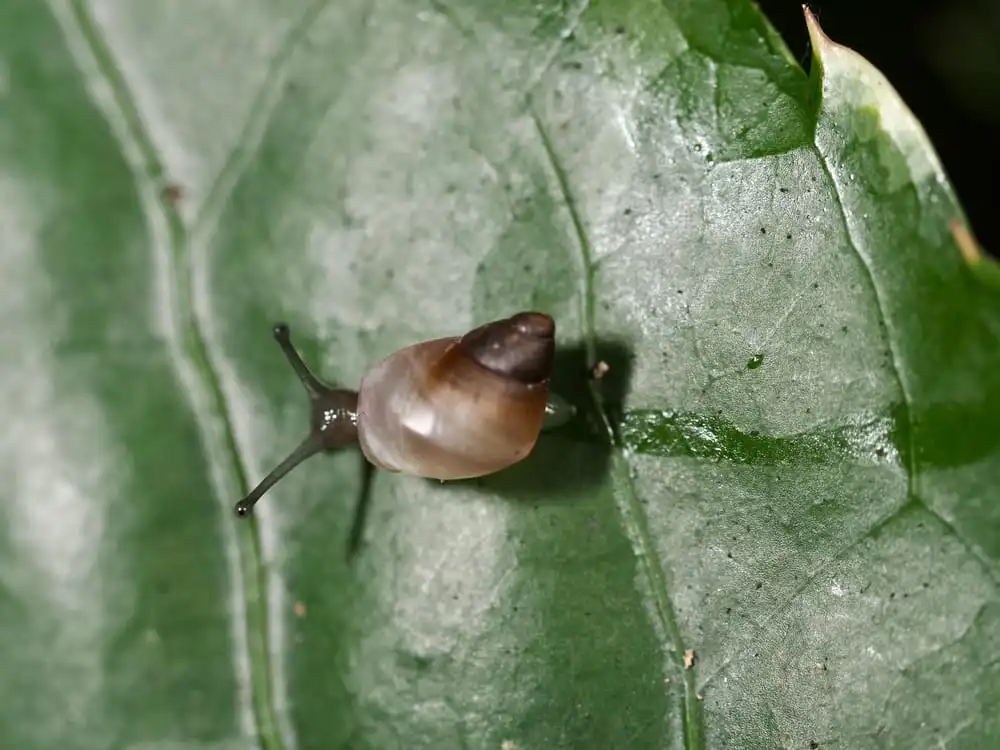
During monitoring on the island of Huahine, the team made an exciting discovery: a juvenile Partula varia with no tracking mark. This confirmed it was the first wild-born individual of the species seen in over three decades, showing that the snails are not just surviving but successfully reproducing in their native environment.
Conservationists also recorded the first wild-born Partula tohiveana outside its original release location on Moorea. This suggests the species has begun to spread naturally—an encouraging sign following its recent move on the IUCN Red List from Extinct in the Wild to Critically Endangered.
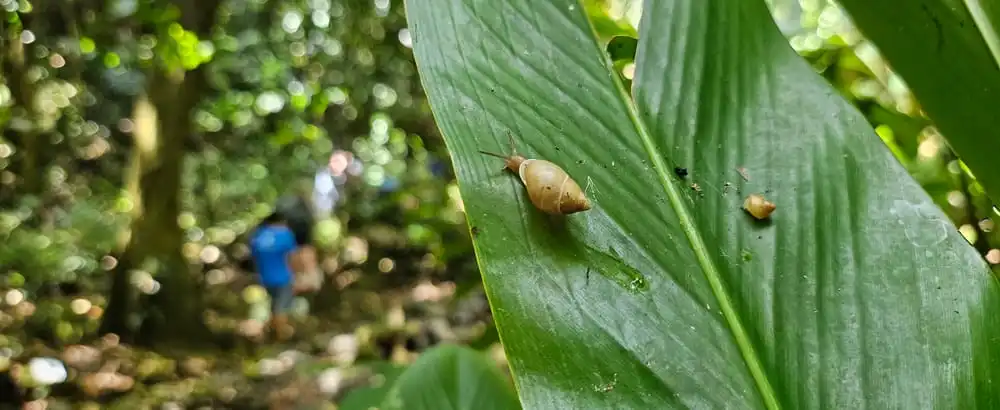
This achievement is part of a long-term project led by ZSL, which has overseen nearly 40,000 Partula snail releases in the past ten years, working with conservation zoos across the UK, Europe, and the United States.
Eleven different species and subspecies were transported more than 15,000 km from institutions such as London Zoo, Whipsnade Zoo, Bristol Zoological Society, Detroit Zoo, and Disney’s Animal Kingdom.
Paul Pearce-Kelly, Senior Curator of Invertebrates at London Zoo, said the milestone reflects decades of effort and represents hope not only for the snails, but for ecosystems and communities worldwide.
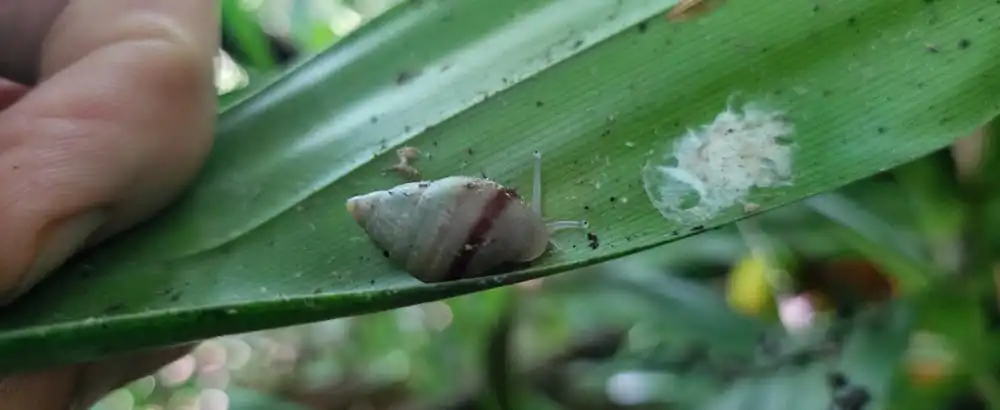
Polynesian tree snails are vital for forest health, helping recycle nutrients and limiting the spread of disease.
Their wild populations declined sharply in the 1980s and 90s due to the introduction of invasive rosy wolf snails.
Visitors to London Zoo can view Extinct-in-the-Wild Partula snails at the Tiny Giants exhibit and learn more about ZSL’s global conservation work.