
According to the United Nations Food and Agriculture Organization, meat and dairy production contributes roughly 14.5% of the world’s greenhouse gas emissions.
For many U.S. farmers, however, livestock and dairy have long been their livelihoods — passed down through generations. The idea of transitioning away from animal agriculture can feel overwhelming, both financially and emotionally.
That’s where The Transfarmation Project steps in.
The nonprofit helps farmers shift from industrial animal operations to plant-based or crop-focused farming through tailored transition plans, funding opportunities, and educational resources. Their support includes crop guides, connections to buyers eager to source from “transfarmed” farms, and financial aid through grants and learning cohorts.
“By building new models of economic opportunity, strengthening solidarity across movements, and reshaping public narratives, we can create a just and sustainable food system,” the organization explains on its website.
The Transfarmation Project works with farmers across the United States, regardless of their motivation for change — whether it’s economic hardship, environmental concerns, or compassion for animals.
Once a farmer reaches out, the team visits the property to evaluate existing infrastructure and develop a personalized transition plan. This often includes access to funding, business tools, and mentorship.
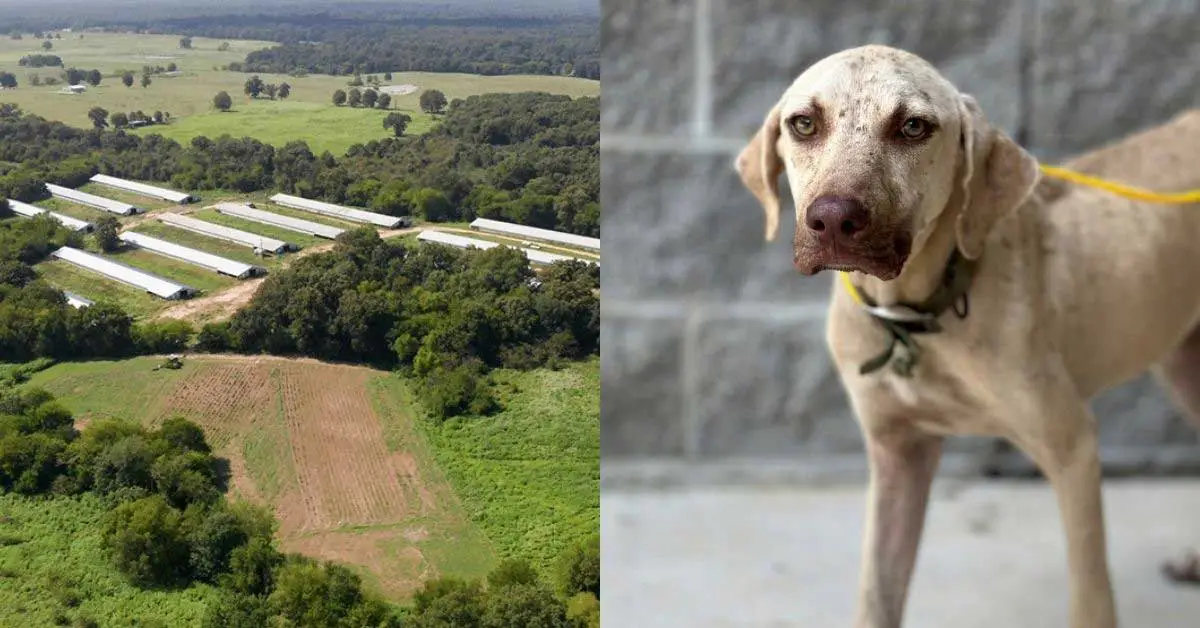
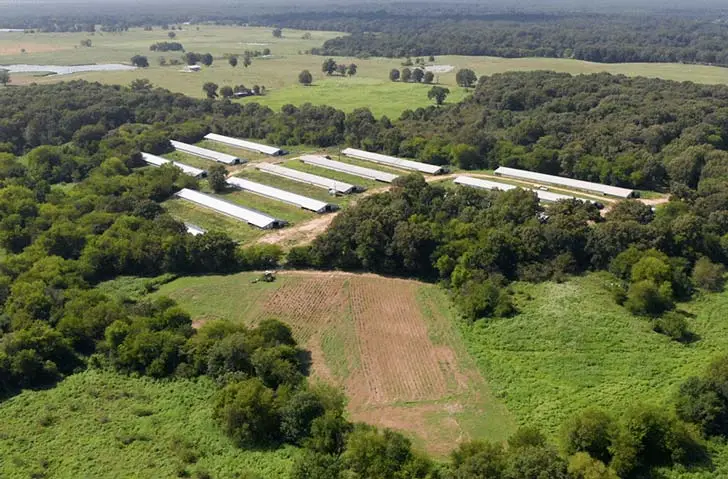
One of the project’s first success stories comes from the Halley family in Texas. For years, they operated a chicken farm, but after facing financial struggles and health challenges linked to poultry production, they made the difficult decision to shut down their barns.
The Halleys partnered with Transfarmation to rebuild — this time as hemp growers and animal rescuers.
“We were so grateful for the organization’s help,” said Bo Halley in a blog post for the nonprofit. “We decided to go from killing animals to growing something — from destruction to creation.”
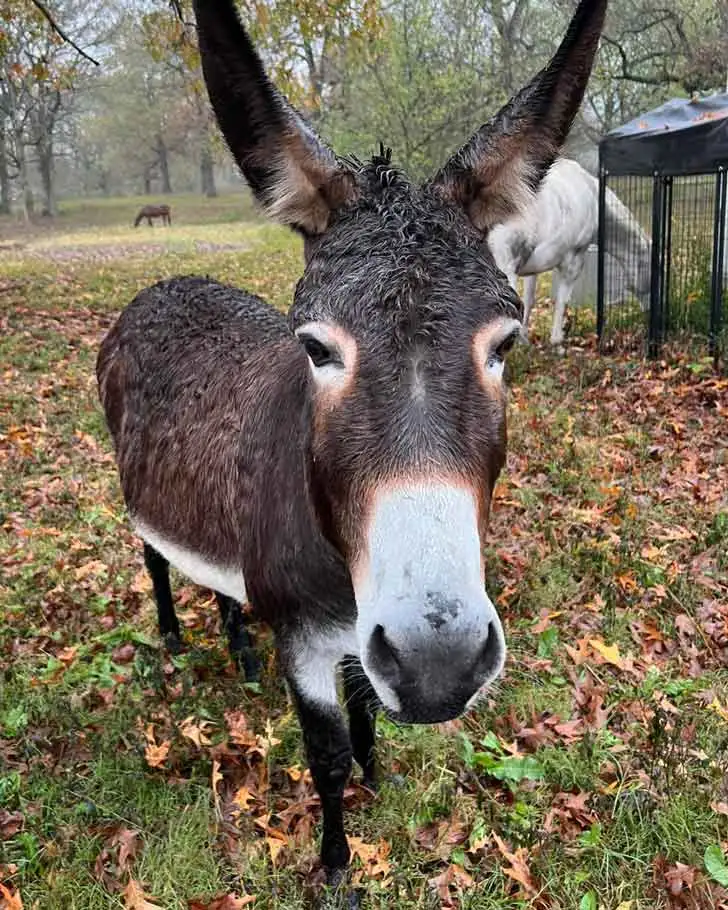
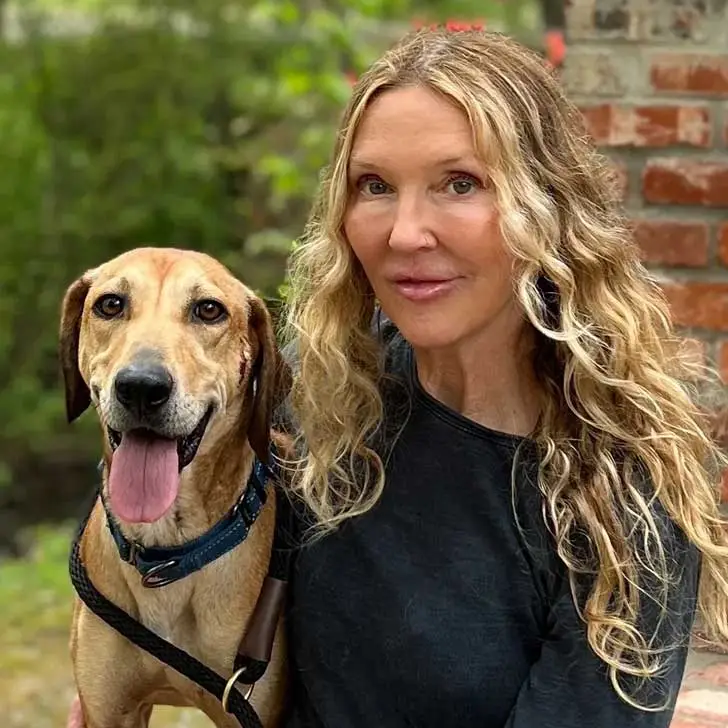
Bo’s sister, Devvie Deany, joined the family’s new venture. Together, they founded Let Love Live, a nonprofit sanctuary that now rescues and rehabilitates around a thousand animals every year — from dogs to donkeys.
The transformation not only revitalized their farm but reignited their passion for agriculture.
“I think fear holds us back from change,” Deany shared. “But if we push past that fear and stay open to learning — and connect with farmers who’ve already done it — we can grow. We’re not alone in this.”
The Halley family’s story stands as a testament to what’s possible when farmers are given the tools and support to reimagine their livelihoods — turning a business once built on animal production into one rooted in compassion, sustainability, and hope.