

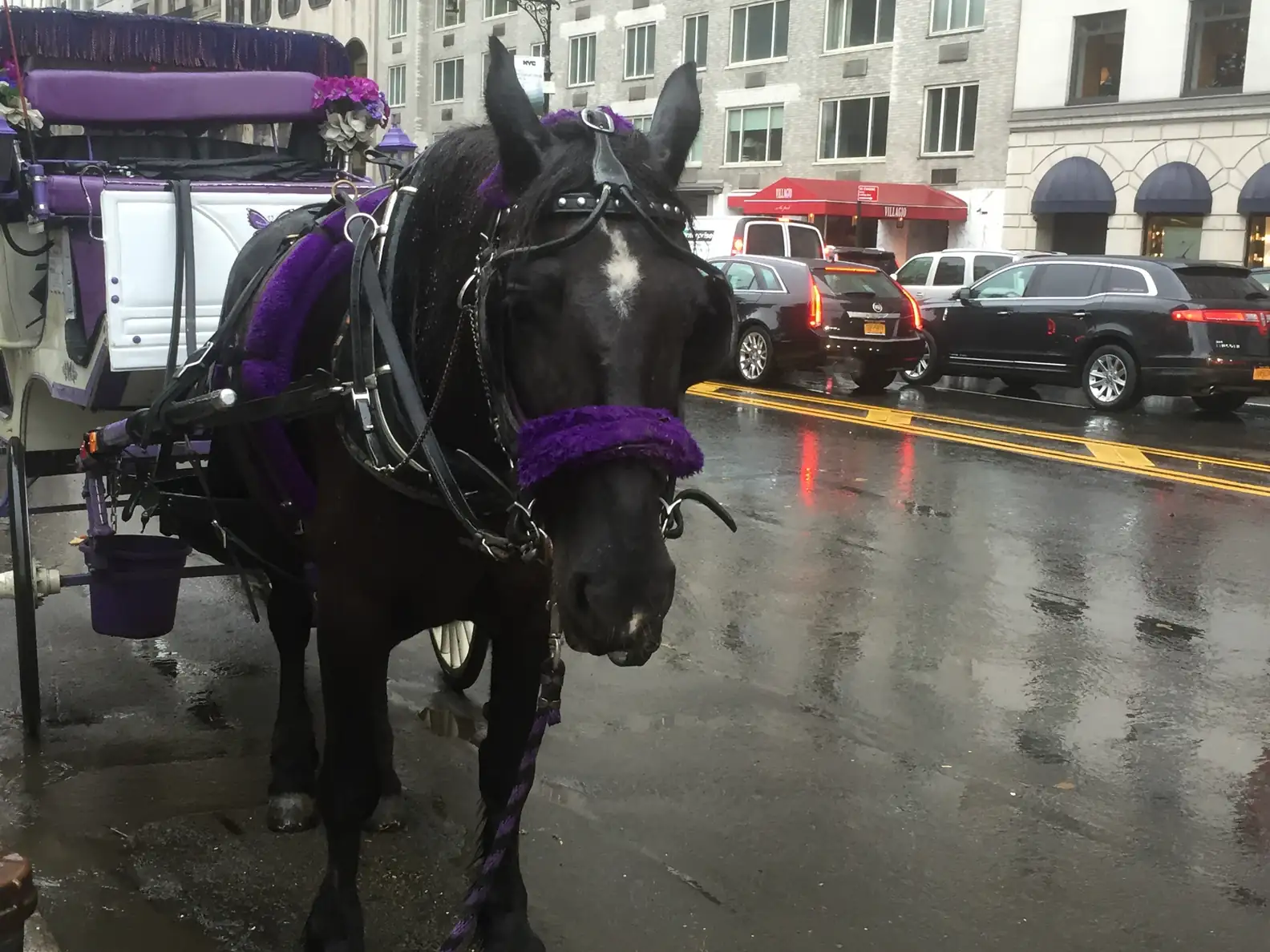
“The animal welfare community is ready with a list of over 30 sanctuaries and rescues willing to give these horses lifelong homes.”
For more than 160 years, horse-drawn carriages have been part of the Central Park experience. The tradition began shortly after the park opened in 1858, and generations of visitors have climbed aboard believing they were enjoying a charming piece of New York history.
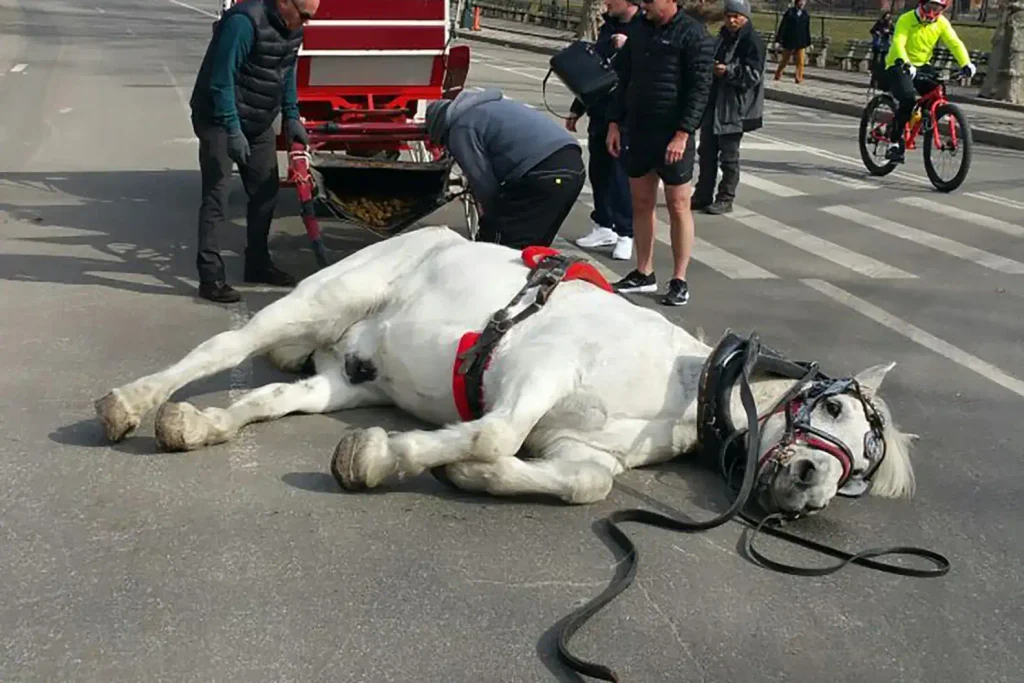
But animal welfare advocates see a very different picture.
They argue that the horses behind the carriages are forced to work in an environment filled with traffic, noise, exhaust fumes and hard pavement. After decades of controversy—and a series of serious incidents—the city may finally be closer to ending the industry.
The Animal Legal Defense Fund has been among the organizations pushing for change. According to Kathleen Schatzmann, the group’s strategic legislative affairs manager, recent incidents show that the risks are far from theoretical.
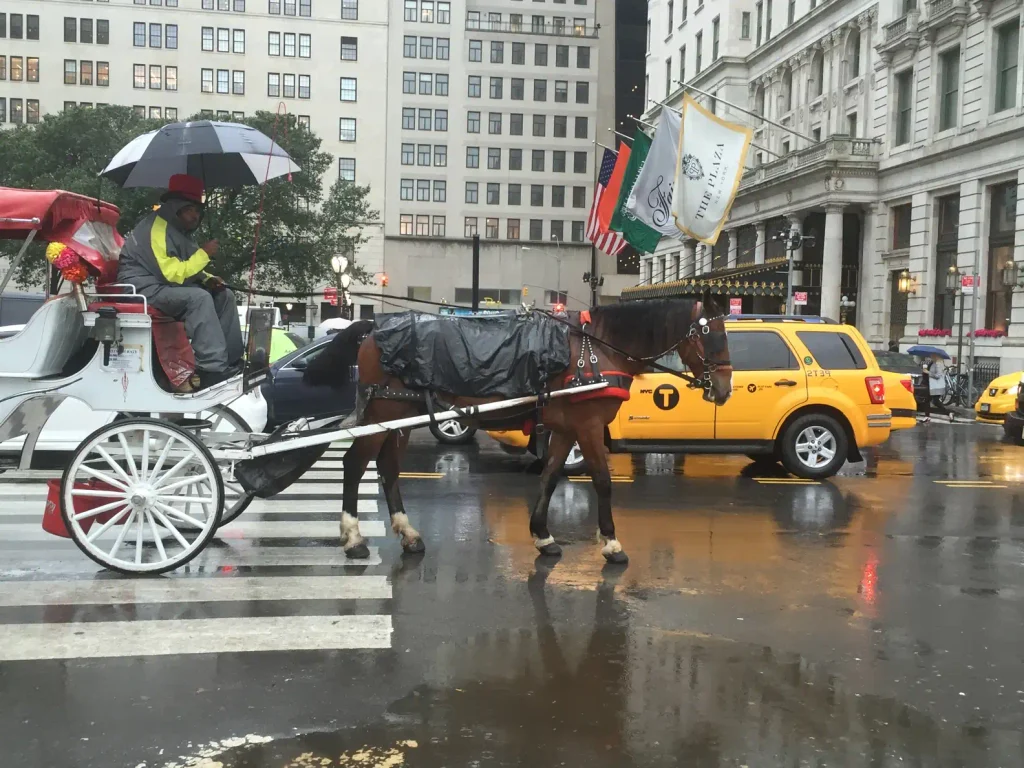
“In the past thirteen months alone, Central Park has seen eight separate horse-related incidents, including runaway carriages, collisions, injury and death,” Schatzmann told The Dodo.
New York has already taken steps to provide some protection for carriage horses. In 2019, ALDF was part of a coalition that helped pass the Carriage Horse Heat Relief Bill, which prohibits horses from working when the heat index reaches 90 degrees or higher.
Yet advocates say the dangers don’t disappear when the temperature drops.
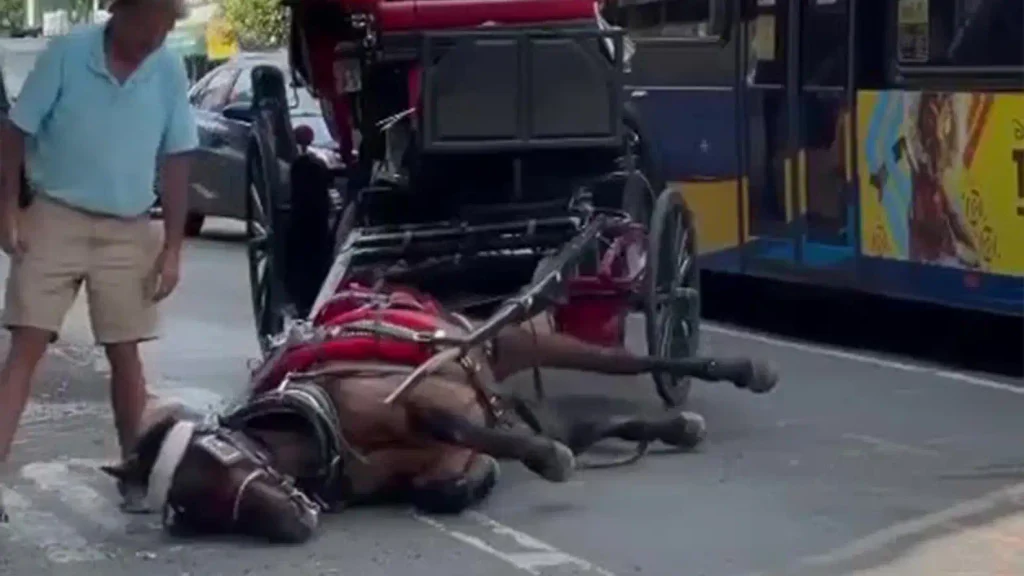
“Each day, horses must navigate heavy traffic, breathe vehicle exhaust and walk on hard asphalt,” Schatzmann said. “These conditions carry well-documented risks for horses, including respiratory problems, joint damage and arthritis, hoof and foot problems, heat stress, and psychological distress from prolonged exposure to a high-stimulus urban environment.”
The issue became especially emotional after the death of a horse named Ryder.
In August 2022, the elderly horse collapsed on 9th Avenue while pulling a carriage in the summer heat. According to advocates, he was whipped while his driver shouted at him to stand up and continue working.
Ryder never recovered. He died in October 2022.
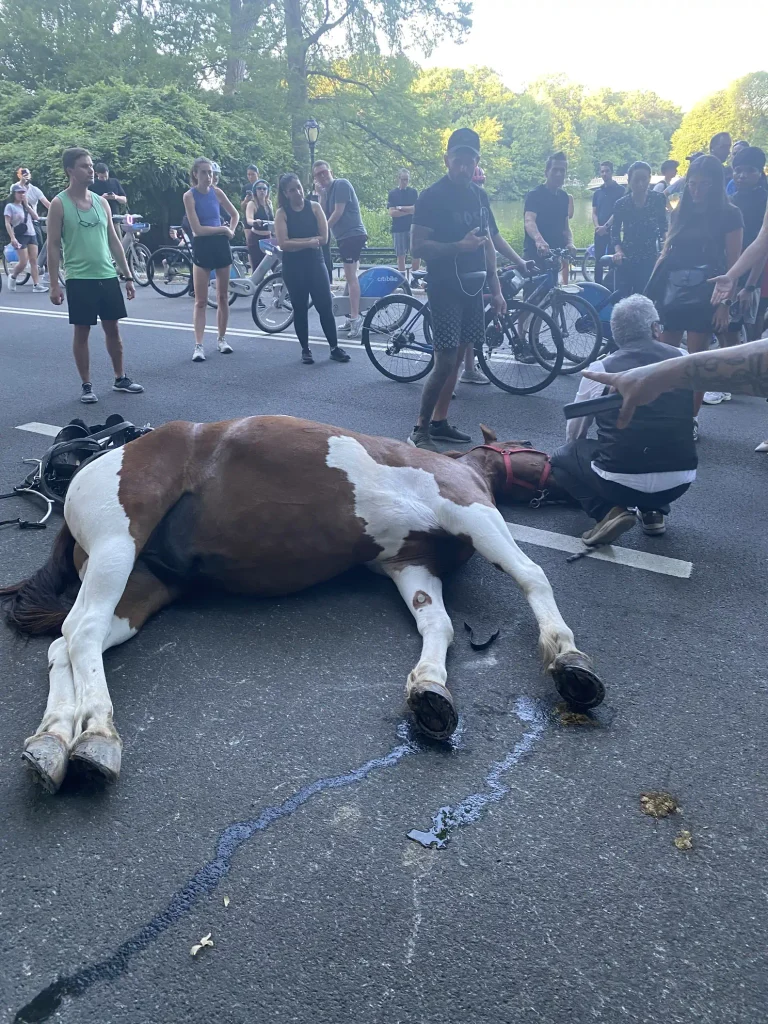
His death helped lead to the introduction of Ryder’s Law, which would have banned horse-drawn carriage rides in New York City. Support for the proposal came from animal welfare advocates as well as 25 celebrities, including Billie Eilish, Joaquin Phoenix, Ricky Gervais, Hilary Swank, Christopher Walken and Edie Falco.
Despite the attention, the bill stalled.
Then another tragedy changed the conversation.
On June 17, 18-year-old Romanch Mahajan was visiting New York City from India with his family. They decided to take a horse-drawn carriage ride, but during the outing, the horse pulling the carriage suddenly bolted.
Mahajan was killed.
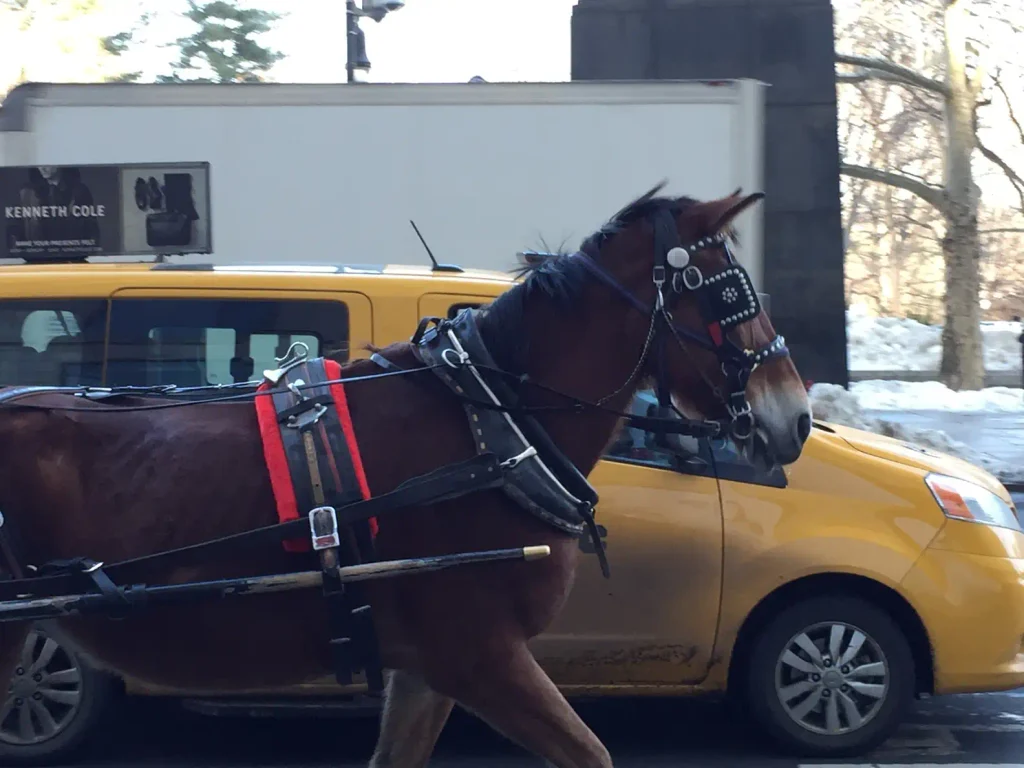
His family has since become outspoken in its efforts to end the carriage horse industry. In his honor, Ryder’s Law was renamed Romanch’s Law.
The new proposal aims to prohibit horse-drawn carriages in New York City by June 1, 2028.
If the bill passes, around 160 horses currently working in the industry would be moved to safe environments. Animal welfare organizations say they are prepared to help, with more than 30 sanctuaries and rescues reportedly willing to provide the horses with lifelong homes and care.
The proposal also recognizes that ending t