

British Adventure Guide Heads to Antarctica for a Christmas Surrounded by Penguins, Whales and Icebergs
For most people, Christmas means family gatherings, warm homes, and familiar traditions.
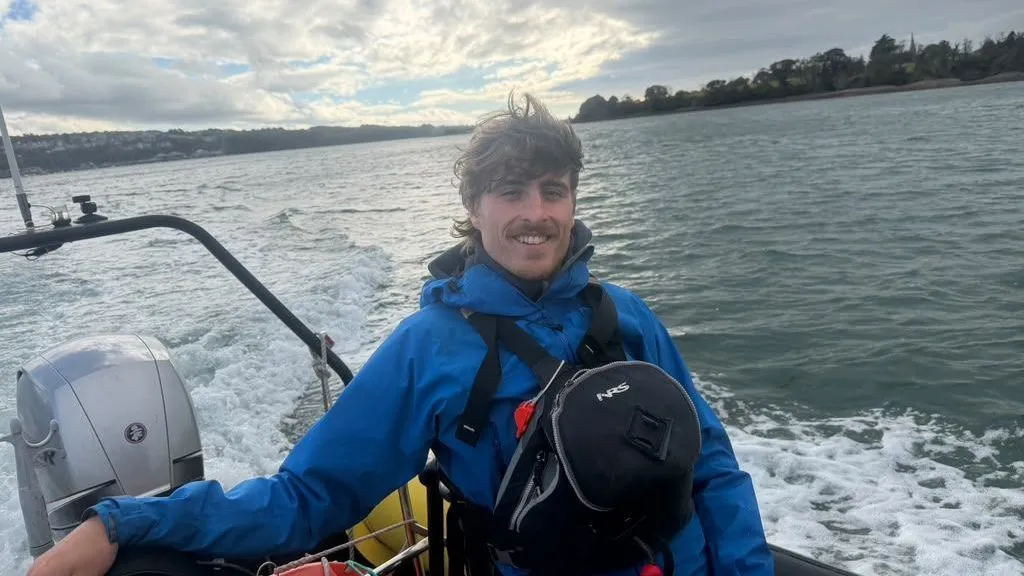
But for outdoor instructor Oli Wilde, this year’s festive celebrations will look completely different.
Instead of spending the holidays in his hometown of Shrewsbury, England, he is preparing to travel thousands of miles to one of the coldest and most remote places on Earth.
Antarctica.
There, he’ll work as an expedition guide, helping visitors explore icy waters, towering glaciers, and extraordinary wildlife.
His new role will involve leading kayaking adventures, taking passengers on small-boat excursions, and helping them experience animals they may never have seen in the wild.
Among the creatures he hopes to encounter are humpback whales, blue whales, penguins, and seals.
And although the job comes with serious responsibilities, Wilde believes it could become one of the most unforgettable Christmas experiences of his life.
Outdoor Instructor From Shrewsbury Prepares for Antarctic Adventure
Oli Wilde has spent several years building a career around outdoor adventure.
Originally from Shrewsbury in Shropshire, he began working as an instructor in Pembrokeshire, Wales.
There, his daily routine involved activities that many people would consider extraordinary.
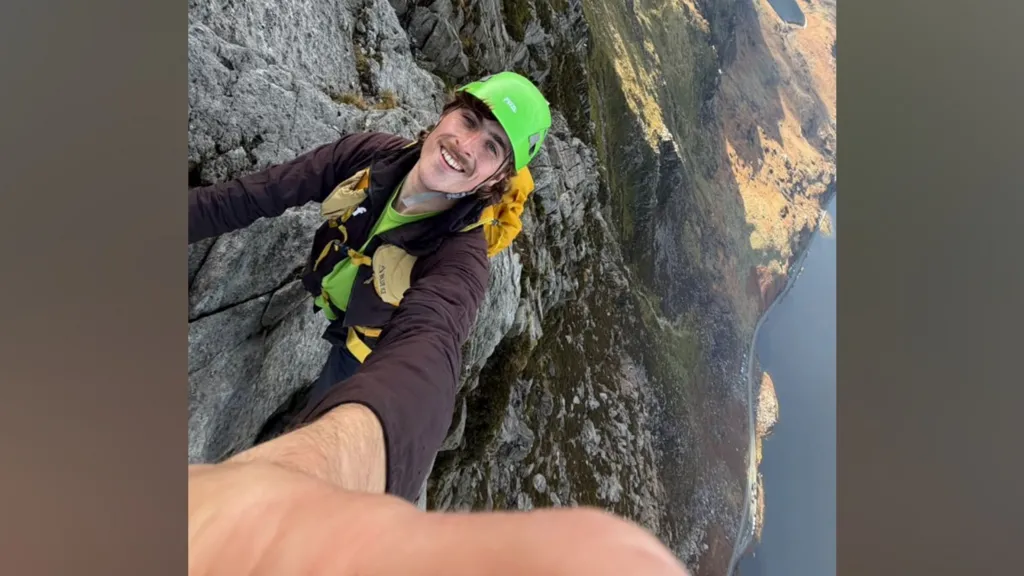
He spent his days coasteering along rugged coastlines and guiding sea kayaking adventures.
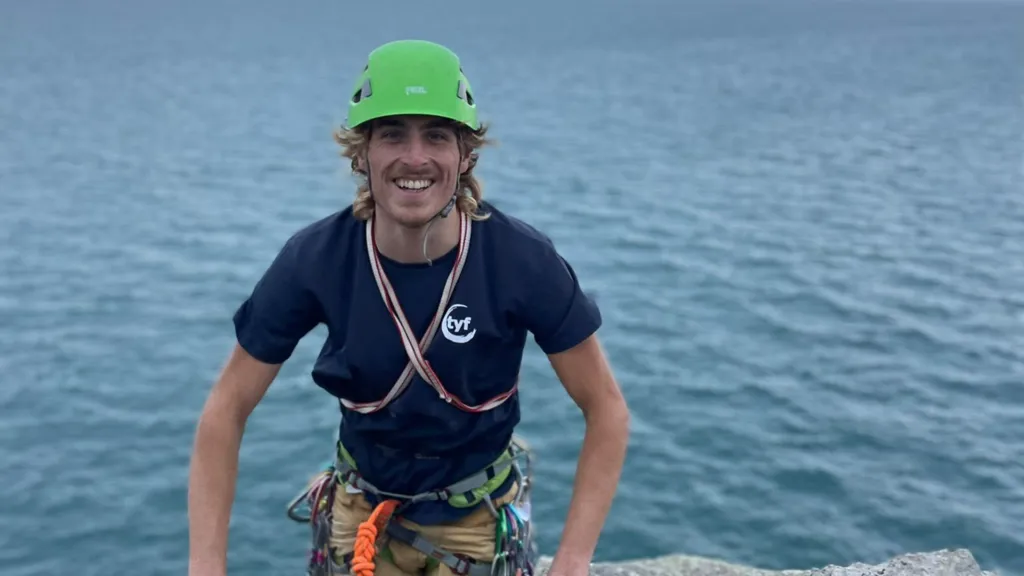
In the evenings, he often went rock climbing.
For Wilde, the appeal of outdoor instruction has always been the opportunity to develop his skills while doing something he genuinely enjoys.
Now, those experiences have helped him secure an opportunity far beyond the Welsh coastline.
He is preparing to work aboard an expedition ship traveling through Antarctic waters.
The journey will take him from familiar British landscapes into an environment dominated by icebergs, glaciers, and some of the world’s most remarkable marine wildlife.
Expedition Will Take Him Beyond the Antarctic Circle
Wilde’s new job will involve guiding tourists on approximately 14-day Antarctic expeditions.
The journeys will begin in Ushuaia, Argentina, a city at the southern tip of South America.
From there, passengers will board an expedition ship and travel south toward Antarctica.
The planned itineraries include destinations along the Antarctic Peninsula and areas beyond the Antarctic Circle.
For many passengers, the experience will offer a rare opportunity to explore one of the planet’s most remote regions.
Wilde will work aboard the MS Roald Amundsen, a hybrid-powered expedition vessel with capacity for more than 400 passengers.
The ship serves as a base for excursions into the surrounding wilderness.
Visitors can leave the vessel in smaller Zodiac boats to approach scenic coastal areas, observe wildlife, and admire glaciers.
Some excursions will also involve sea kayaking.
For Wilde, the job combines his professional experience with an opportunity to discover an entirely new environment.
Penguins, Seals and Whales Are Among the Wildlife He Hopes to See
Although the Antarctic landscapes promise to be spectacular, Wilde is especially excited about the animals.
He has long been interested in wildlife, and his previous work in Pembrokeshire gave him opportunities to learn about coastal ecosystems.
Now, he has been studying the species he may encounter during his Antarctic trips.
The region is home to large numbers of seabirds, penguins, and several species of seals.
Whales also visit Antarctic waters, particularly during the productive Southern Hemisphere summer.
Wilde is particularly eager to see humpback whales and, if he is fortunate, a blue whale.
The blue whale is the largest animal known to have ever lived.
An encounter with one in the wild would be an extraordinary experience.
Wilde has explained that he has never seen such enormous marine mammals before.
The possibility of observing them in their natural habitat is one of the biggest attractions of his new role.
However, wildlife sightings are never guaranteed.
Even experienced expedition guides cannot predict exactly which animals will appear on a particular voyage.
Childhood Dream of Seeing Penguins Could Finally Come True
<AsyncImage query=”gentoo penguins colony on Antarctic Peninsula snowy rocky coast natural wildlife photography” aspectRatio=”5:3″/>
Of all the animals Wilde hopes to encounter, penguins hold a particularly special place in his imagination.
As a child, he watched the animated film Happy Feet.
The story left him fascinated by the idea of seeing penguins in their natural Antarctic environment.
Now, years later, his work could make that childhood dream a reality.
Several penguin species inhabit the Antarctic Peninsula and surrounding regions, including gentoo, chinstrap, and Adélie penguins.
These birds are superb swimmers, using their streamlined bodies and powerful flippers to move through the water.
On land, they are known for their distinctive waddling movements and busy breeding colonies.
For visitors, observing penguins in the wild can be a highlight of an Antarctic expedition.
For Wilde, the experience will have an added personal meaning.
It represents the chance to connect a childhood fascination with the outdoor career he has built as an adult.
Working Around Icebergs Requires Serious Safety Training
Despite the excitement, guiding expeditions in Antarctica is not simply about admiring the scenery.
Wilde will be responsible for helping protect passengers in an environment where conditions can change quickly.
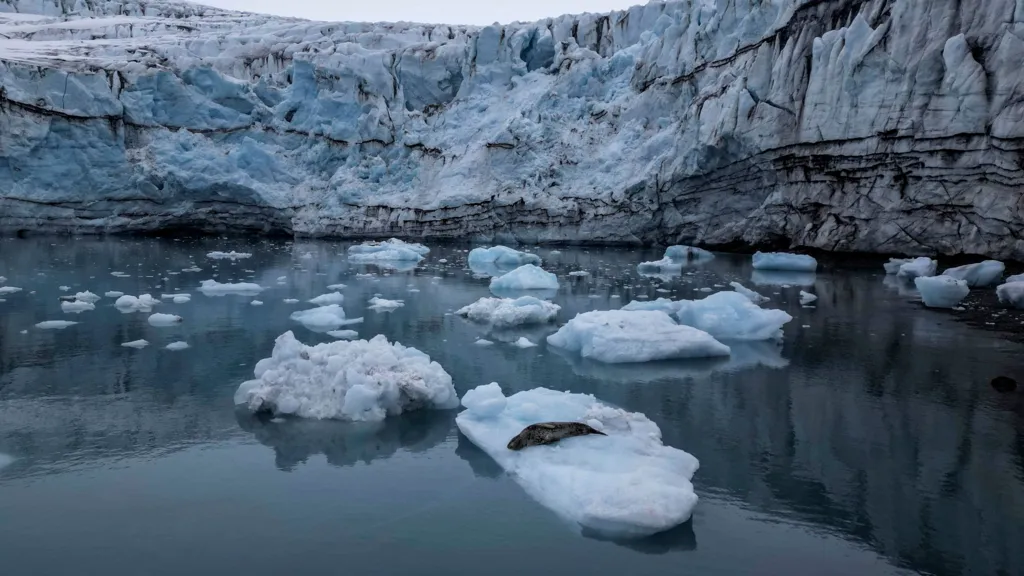
One of the most important challenges involves navigating around icebergs.
Although icebergs may appear stable from a distance, their balance can change as they melt, break apart, or shift in the water.
Some can roll unexpectedly.
This makes approaching them too closely dangerous for small boats and kayakers.
Wilde has emphasized the importance of maintaining a safe distance.
His responsibilities will include assessing the surrounding conditions and helping ensure passengers follow safety procedures.
The region’s cold water and unpredictable weather create additional challenges.
For an expedition guide, understanding the environment is just as important as knowing how to paddle or operate a boat.
Leopard Seals Are Among Antarctica’s Formidable Predators
Another animal Wilde has been learning about is the leopard seal.
These powerful marine predators are among the most formidable hunters in Antarctic waters.
They have strong jaws, large mouths, and teeth adapted for catching prey.
Their diets can include penguins, fish, krill, and other seals.
Although encounters with humans are relatively uncommon, leopard seals can be dangerous, particularly when approached too closely in the water.
For Wilde, maintaining appropriate distances between passengers and wildlife will be an essential part of the job.
The goal is to allow visitors to observe animals without disturbing them or placing themselves at unnecessary risk.
That responsibility extends beyond leopard seals.
Guides must also be mindful of penguins, whales, seabirds, and other wildlife.
Antarctica’s ecosystems are vulnerable to disturbance, making responsible tourism especially important.
Expedition Guides Help Protect Antarctica’s Wildlife
Wilde’s role will involve more than leading exciting activities.
He will also help visitors understand the extraordinary environment they are exploring.
Antarctic tourism operators are expected to follow strict environmental guidelines intended to minimize disturbance.
These include maintaining appropriate distances from animals, avoiding interference with natural behavior, and preventing waste from entering the environment.
Guides play a central role in communicating those expectations to passengers.
They also help visitors understand why certain areas may be restricted or why an excursion might need to change.
For Wilde, learning about Antarctic wildlife is therefore an important part of preparing for his new position.
He wants to be able to explain what passengers are seeing while ensuring their presence does not harm the animals.
The opportunity combines his love of outdoor adventure with his interest in nature.
Christmas Will Be Spent Aboard an Antarctic Expedition Ship
One of the most unusual aspects of Wilde’s upcoming experience is the timing.
His expedition work will take place during the Christmas holiday period.
Instead of celebrating at home in Shrewsbury, he expects to spend Christmas aboard the MS Roald Amundsen.
The expedition ship will be his workplace and temporary home.
During the Antarctic summer, long daylight hours make it possible to enjoy extended views of glaciers, mountains, and the surrounding ocean.
The festive season will therefore look very different from a traditional British Christmas.
Wilde believes it could be one of the most memorable celebrations he has experienced.
He is due to return to the UK on January 12, after completing his Antarctic assignment.
Until then, his holiday season will revolve around outdoor excursions, wildlife encounters, and life aboard an expedition vessel.
A Dream Job Still Comes With Nerves and Pressure
Although Wilde is excited, he has admitted that he feels nervous about taking on the new role.
Guiding visitors on expensive Antarctic expeditions carries significant responsibility.
Passengers expect knowledgeable instructors who can help them enjoy the experience safely.
Wilde wants to meet those expectations.
He has been preparing by studying Antarctic animals, their behavior, and the environmental conditions he may encounter.
His previous experience in sea kayaking, coasteering, and climbing has given him a practical foundation.
But the Antarctic environment presents challenges unlike those he has faced in Britain.
Rather than allowing his nerves to discourage him, Wilde sees preparation as the best way to build confidence.
He wants to learn as much as possible and approach the job with enthusiasm.
His attitude can be summed up in one simple phrase:
“Feel the fear and do it anyway.”
From the Welsh Coast to the Antarctic Wilderness
Wilde’s journey reflects how an interest in outdoor activities can develop into an extraordinary career.
He began by guiding people through the coastal landscapes of Pembrokeshire.
Over time, he built experience in kayaking, climbing, and helping others enjoy outdoor adventures.
Now, those skills are taking him to Antarctica.
There, he will encounter a world of towering ice formations, unfamiliar wildlife, and challenging conditions.
The position will test his knowledge, adaptability, and confidence.
But it will also provide opportunities that many people only dream about.
He hopes to see penguins, observe enormous whales, and experience some of the most spectacular scenery on Earth.
And he will get to do it while helping others discover the Antarctic environment.
A Christmas Adventure Unlike Any Other
When Oli Wilde began working as an outdoor instructor, he probably couldn’t have imagined that his career would one day take him beyond the Antarctic Circle.
But his passion for adventure and wildlife has opened the door to a remarkable opportunity.
Instead of spending Christmas surrounded by familiar traditions, he will be aboard an expedition ship, helping passengers explore icy waters and remote coastal landscapes.
The work will demand careful preparation and constant attention to safety.
Yet it also offers the possibility of unforgettable wildlife encounters and the fulfillment of a childhood dream.
For Wilde, the next chapter is about much more than traveling somewhere extraordinary.
It’s about turning a love of nature and adventure into a profession that continues to take him to new places.
From climbing the cliffs of Wales to guiding kayakers among Antarctic icebergs, Wilde is preparing for a Christmas he may never forget — and perhaps his first face-to-face encounter with the penguins he has dreamed of seeing since childhood.