
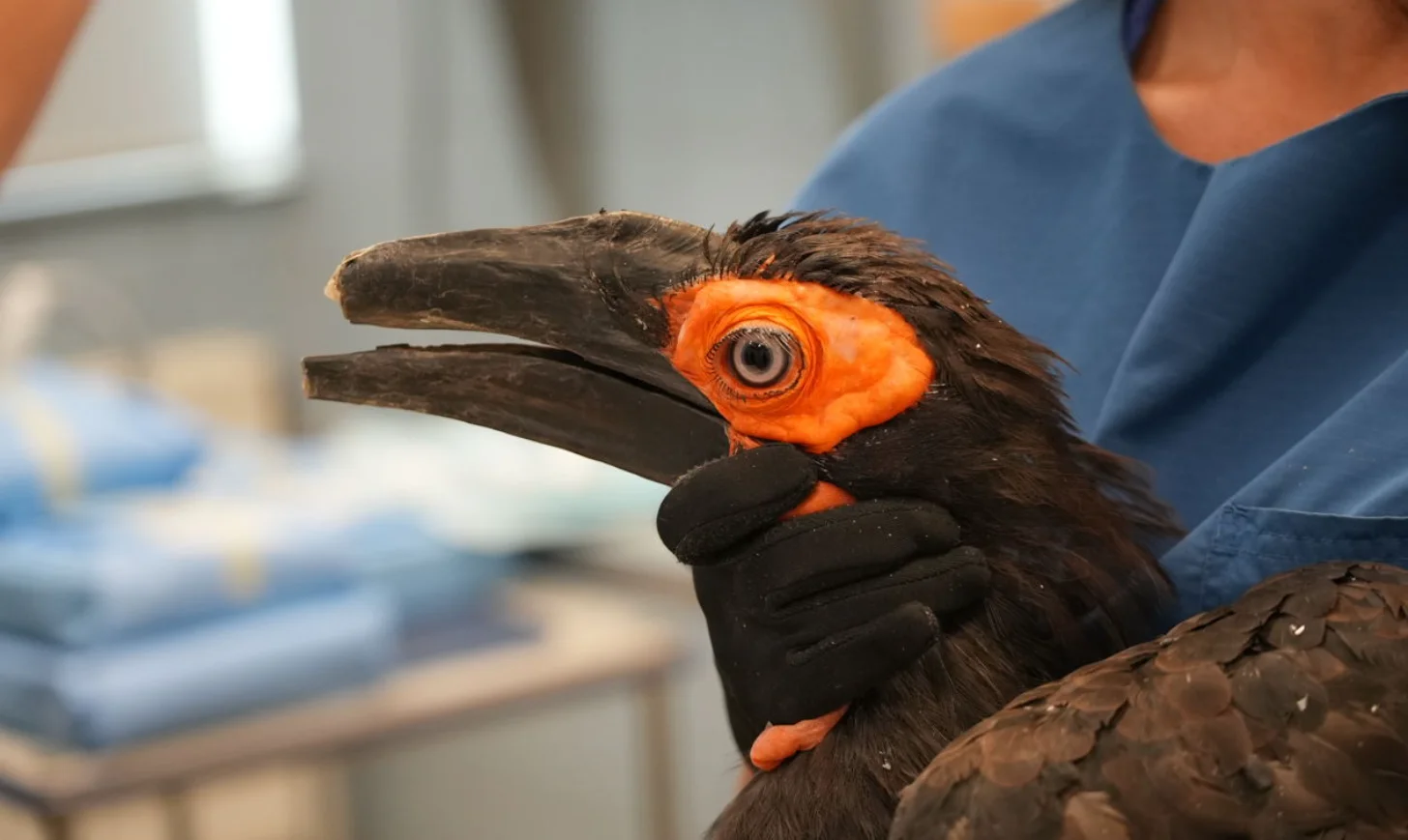
Veterinarians at Amsterdam’s ARTIS Zoo have given a southern ground hornbill a second chance with two custom 3D-printed beak prostheses. The innovative surgery restored both damaged sections of the bird’s beak and may offer new hope for injured birds worldwide.
The young male hornbill had broken both his upper and lower beak. The injuries left him with two damaged stumps and limited his ability to perform natural behaviours.
Although he could still manage some daily activities, the damage affected his quality of life.
ARTIS veterinarian Martine van Zijll Langhout wanted to find a better solution.
“He managed reasonably well with them, but he could no longer do everything a hornbill naturally does,” she explained.
The zoo partnered with Utrecht University’s Faculty of Veterinary Medicine to develop a remarkable treatment.
Why the Hornbill Needed a New Beak
Southern ground hornbills are large birds native to sub-Saharan Africa.
They have black feathers, bright red facial markings and long, curved beaks. Adult males can have beaks measuring approximately 19 to 22 centimetres.
These powerful beaks help the birds find food, maintain their feathers and care for their young.
For the injured hornbill, losing both functional beak sections created serious challenges.
Veterinarians believed that restoring his beak could improve his daily life.
The bird was still young and could potentially live for many more years.
“We felt it was important to see if we could improve its quality of life,” van Zijll Langhout said.
Rather than leave the injuries untreated, the veterinary team decided to explore 3D-printing technology.
How Veterinarians Created the 3D-Printed Beak
The specialists faced a difficult challenge.
They needed to create two replacement beak sections that matched the bird’s original anatomy.
Even small measurement errors could affect how the prostheses fitted and functioned.
To achieve greater accuracy, the team performed detailed CT scans.
They scanned the hornbill’s head, the remaining beak stumps and the broken pieces.
The scans helped specialists reconstruct the original beak shape.
Using these measurements, the team designed two custom prostheses.
They then printed the replacement sections from plastic.
Titanium components and screws secured the new pieces in place.
The finished prostheses closely matched the bird’s original beak.
For van Zijll Langhout, function mattered more than appearance.
The team wanted the hornbill to eat, groom himself and interact naturally with other birds.
A Rare Achievement in Veterinary Medicine
Veterinarians have used artificial beaks to help injured birds before.
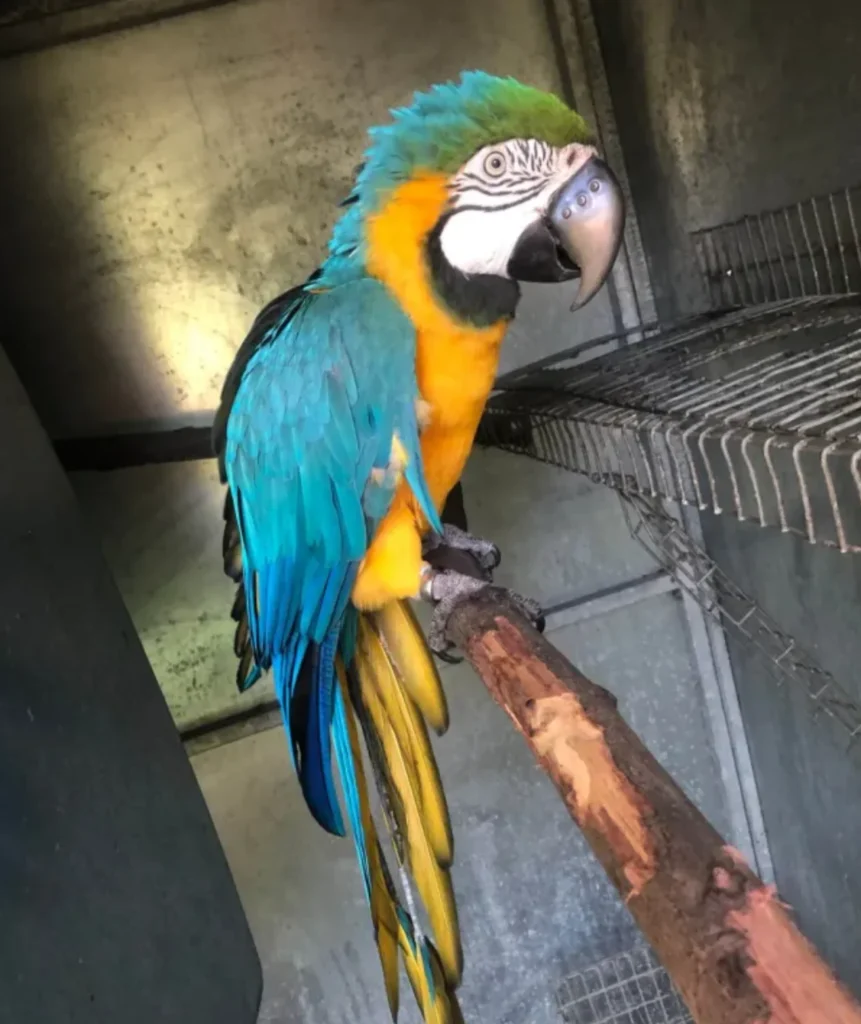
In 2021, a blue-and-gold macaw named Max received a custom titanium beak in South Africa.
Max had lost his upper beak during a territorial fight.
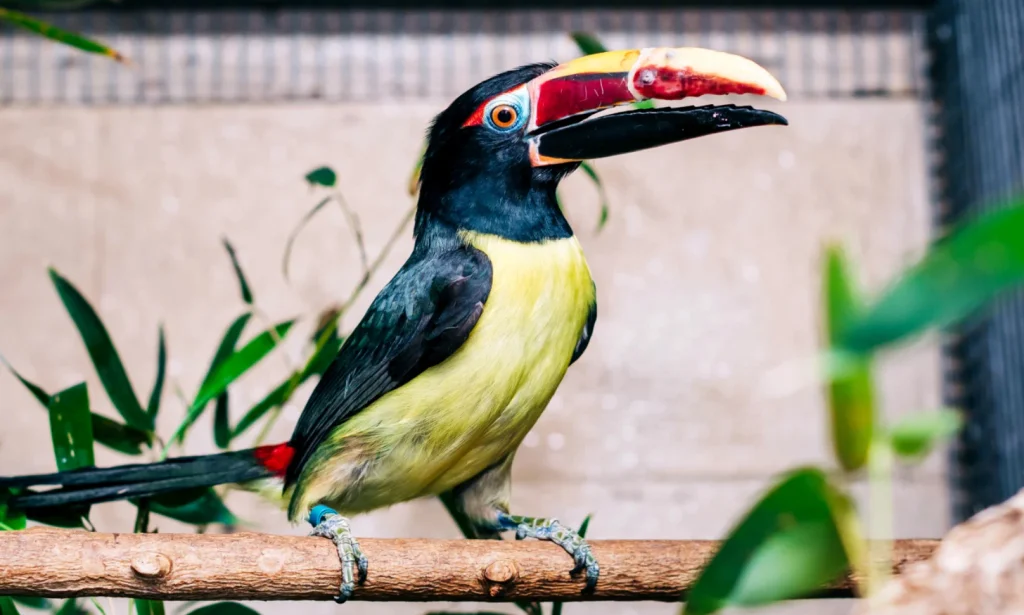
Another bird, a green aracari named Beauregard, received specialist treatment after damaging his upper beak at Birmingham Zoo in Alabama.
However, the ARTIS procedure presented a different challenge.
The Dutch veterinary team needed to replace both the upper and lower beak sections.
According to van Zijll Langhout, researchers found no previously documented case using this approach.
That makes the procedure a potential first in avian veterinary medicine.
The team hopes its success will help specialists develop similar treatments for other injured birds.
Hornbill Eats Again Just Hours After Surgery
The hornbill’s early recovery gave veterinarians reason to celebrate.
Within hours of surgery, he began exploring his new beak.
He needed time to adjust to its shape and additional weight. However, he appeared comfortable almost immediately.
The following morning brought an important breakthrough.
The hornbill picked up a mouse from the ground using his new beak.
Later that day, he began eating independently.
“That was an incredibly important moment for us,” van Zijll Langhout said.
The bird had quickly discovered how to use his replacement beak.
Veterinarians believe regular use will help him develop greater control and confidence.
His early progress suggests that the prostheses could significantly improve his quality of life.
New Hope for an Endangered Bird Species
The successful operation offers benefits beyond helping one injured animal.
Southern ground hornbills face threats in their natural habitats, making breeding programmes important for their conservation.
The ARTIS veterinary team hopes the male hornbill will eventually produce offspring with his mate.
A healthy beak plays an important role in courtship, social interaction and caring for chicks.
If the prostheses continue working well, they could support his ability to breed and raise young.
“We hope that the pair will have offspring in the future,” van Zijll Langhout said.
However, veterinarians must continue monitoring the replacement beak to understand its long-term performance.
A New Future Thanks to 3D-Printing Technology
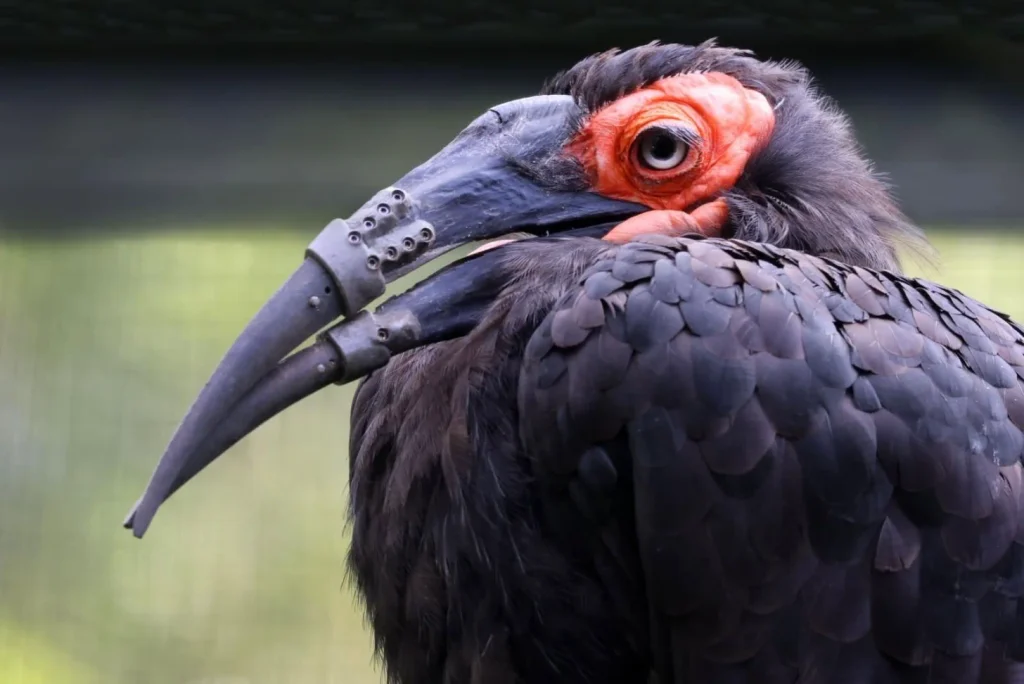
The hornbill’s story highlights the growing role of advanced technology in animal healthcare.
CT scanning, 3D modelling and precision printing allowed specialists to create a highly personalised treatment.
Their work restored important functions that the bird had lost after his injuries.
The early results have encouraged the veterinary team, although long-term success remains uncertain.
For ARTIS Zoo, the goal goes beyond completing a technically impressive operation.
The team wants to help the hornbill live as naturally and comfortably as possible.
With his new 3D-printed beak, the bird can once again explore his surroundings, collect food and perform essential daily activities. His recovery could also open new possibilities for treating injured wildlife around the world.