

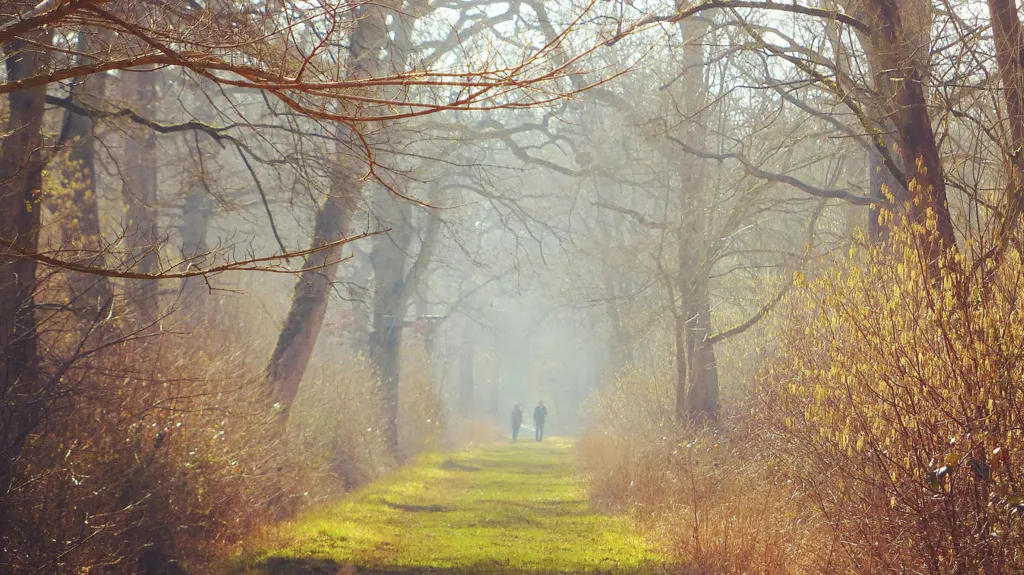
An ancient woodland in eastern England has been temporarily closed after repeated problems with dogs being off leads and visitors behaving aggressively toward staff and volunteers.
The Wildlife Trust for Bedfordshire, Cambridgeshire and Northamptonshire announced that Hayley Wood will remain closed for about a month while new rules are implemented to better protect wildlife.
A Rare and Protected Habitat
Hayley Wood, located near Little Gransden, is considered an ancient woodland — meaning it has been continuously wooded since at least the year 1600.
The reserve supports a wide range of wildlife, including:
- rare wildflowers
- woodland birds
- butterflies
- insects such as damselflies
Because of its ecological importance, conservationists say the site requires careful protection.
Matt Hamilton, senior reserves manager for the trust in Cambridgeshire, described the woodland as “a jewel in Cambridgeshire’s nature crown.”
He emphasized that the area is meant for wildlife conservation, not for uncontrolled dog exercise.
New Dog Rules When the Reserve Reopens
When Hayley Wood reopens, stricter dog regulations will be in place.
Visitors bringing dogs will be required to follow these rules:
- Dogs must remain on leads throughout most of the reserve
- Dogs will be banned entirely from a fenced conservation area
- Off-lead activity will be allowed only in clearly marked zones
The wildlife trust hopes these measures will reduce disturbance to animals and sensitive plant habitats.
Wildlife Harmed by Uncontrolled Dogs
Despite existing signs requiring dogs to be kept on leads, staff have recorded multiple incidents involving uncontrolled animals.
Some examples reported by the trust include:
- Dogs chasing birds and damaging wildflower areas
- A woodcock killed by a dog at Old Sulehay reserve
- A sheep killed by a loose dog at Pegsdon Hills
- A visitor bitten by a dog at Gamlingay Wood
- A jogger bitten on the arm at Nene Wetlands
- A family being jumped on by a loose dog at Beechwoods
In one case, a staff member was even nipped by a dog on a lead.
Abuse Toward Staff and Volunteers
Beyond the wildlife concerns, the trust says staff and volunteers have also faced verbal abuse while enforcing dog rules.
According to the organization, some visitors responded aggressively when asked to control their pets — including telling staff to “shut up.”
Hamilton said protecting wildlife and staff safety is the organization’s top priority.
“We will not tolerate behaviour that harms wildlife on our reserves or any abuse directed towards our staff,” he said.
Protecting Sensitive Wildlife Areas
The wildlife trust stressed that temporary closures are extremely rare and are used only when necessary.
In areas where wildlife is especially vulnerable — such as sites with nesting birds or grazing livestock — the trust may impose full dog bans to protect the ecosystem.
While apologizing to responsible visitors, the organization said the temporary closure is necessary to ensure Hayley Wood remains a safe habitat for its many rare species. 🌿🐦