
Like human twins, animal clones are not identical in every aspect, experts say
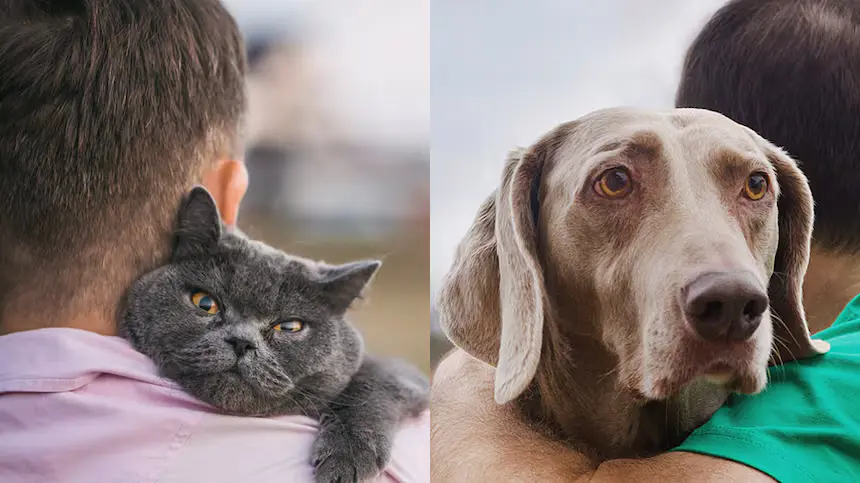
If you know someone who proudly calls their cat or dog their “fur baby,” you’re definitely not alone. Research shows Canada has one of the highest pet-ownership rates in the world.
Government data from 2024 shows that more than 12 million homes across the country included at least one cat or dog. Cats are slightly in the lead, with about 8.9 million nationwide — closely followed by 8.3 million dogs. On top of that, Canadians care for countless fish, birds, reptiles, and other animal companions.
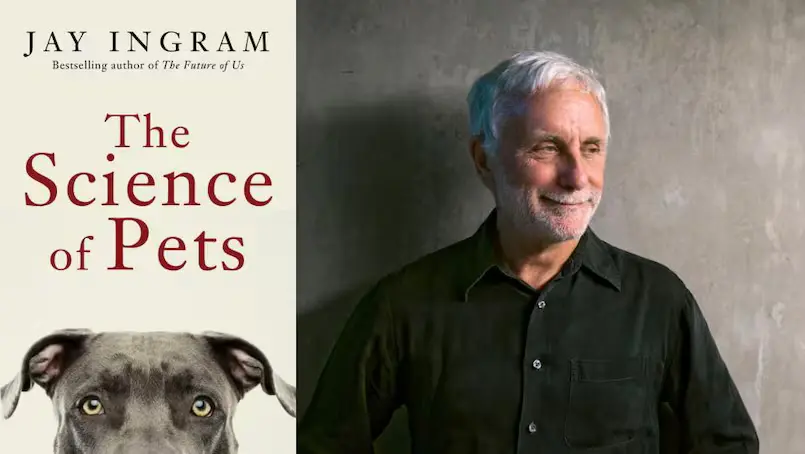
Many studies suggest that spending time with pets can boost mental and physical health. But Jay Ingram — science communicator and author of The Science of Pets — believes the reason we connect with animals goes even deeper.
He says there isn’t one clear answer for why humans keep pets, but many experts support the “biophilia” idea introduced by scientist Edward O. Wilson. This concept suggests that humans have an instinctive connection to living things, and that affection for animals is built into who we are.
In a conversation with CBC’s The Sunday Magazine, Ingram explained how our love for animals has even inspired advanced science — including cloning and new attempts to understand how pets communicate.
Cloning Pets: Trend or Future of Pet Ownership?
Celebrities like Paris Hilton and athletes such as Tom Brady have already paid companies to clone beloved pets. According to Ingram, it’s a lot more common than people might think — one scientific study he cites examined 1,000 cloned dogs, and more have been created since.
However, he warns that cloning doesn’t create a perfect duplicate. Even genetically identical animals can look and behave differently.
He points out that Barbra Streisand once cloned her dog because she loved its curly coat — but the cloned pups didn’t share that exact trait. The expectation of an identical copy is usually unrealistic.
So why clone at all? These days, Ingram says the motivation is often financial. For example, valuable polo horses have been cloned, and agriculture has used cloning techniques for years to reproduce specific traits. But he doubts cloning will become a normal way for people to replace family pets.
What Do Our Pets Actually Understand?
Cats and dogs often react to human feelings — like curling up next to someone who is sad. This leaves many pet owners wondering: How much do our pets really know?
Ingram says scientists widely accept that animals can be sentient, meaning they have emotions and awareness. But figuring out exactly what goes on inside a pet’s mind remains a huge challenge.
Tools like artificial intelligence could help us learn more in the future, but research into wild animals is currently moving faster — mostly because scientists can study their behavior without emotional bias.
For instance:
- Researchers have found patterns in sperm whale communication
- A scientist in Arizona has documented 30 different prairie dog calls — including ones that seem to describe specific predators or even clothing colors on humans
Meanwhile, some common beliefs about pets are being questioned. For example, the idea that dogs feel guilt when they misbehave has mostly been disproven — Ingram says dogs are actually responding to their owner’s reactions, not showing guilt on their own.
A Bond That’s Still a Mystery
As Ingram puts it, humans may never fully understand how animals think — their minds could be incredibly different from our own. But our bond with pets continues to grow stronger, and that relationship remains one of the most meaningful parts of life for millions of Canadians.