

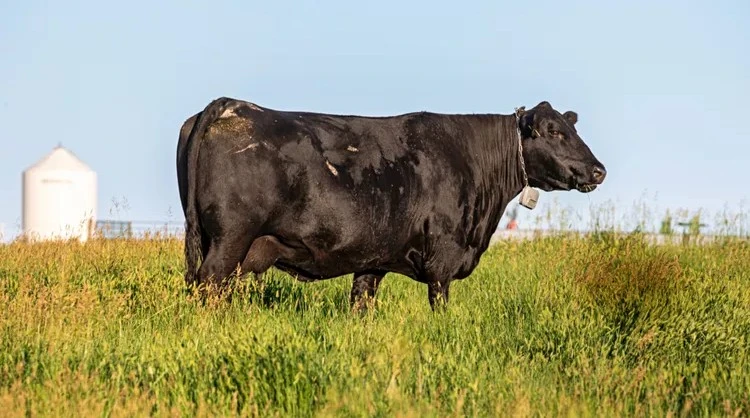
Virtual Fences Could Revolutionize Cattle Ranching — and Restore the Prairie
Across the American heartland, ranchers are beginning to experiment with a technology once reserved for suburban dog owners — virtual fencing. The innovation could transform how cattle are grazed, freeing ranchers from the constant maintenance of barbed wire while benefiting both livestock and the landscape.
The idea is simple but powerful: instead of relying on miles of costly fencing, ranchers outfit their herds with GPS-enabled collars that use sound and vibration to guide the animals. The promise is more natural grazing, less labor, and healthier ecosystems — all without the expense or environmental disruption of traditional fencing.
A Modern Solution for an Old Problem
For generations, fencing has defined ranching in North America — and limited it. The continent once teemed with millions of bison, shaping grasslands through roaming and grazing patterns that kept ecosystems thriving. Today, much of that land has been converted to agriculture or fragmented by infrastructure, and the few remaining prairies have lost those ecological benefits.
By removing the need for physical barriers, virtual fencing could allow cattle to graze more freely across larger tracts of land, helping restore soil health and disperse native seeds — a win for both ranchers and conservationists.
“This could be a labor-saving game changer,” said Amy Crouch, director of The Nature Conservancy’s Little Sioux Project in Iowa. At the organization’s Swamp White Oak Preserve, her team has been testing virtual fencing with cattle to manage vegetation in one of the Midwest’s last remaining floodplain oak savannas.
“I imagine it’s the same for a lot of producers who move their herds constantly,” said Crouch, who grew up on a dairy farm. “If they had this kind of tool, they could finally focus on other work too — it would be tremendous.”
How Virtual Fencing Works
The system varies by manufacturer, but most use durable, GPS-linked collars about the size of a cowbell. The device defines an invisible perimeter using GPS coordinates or radio signals from small broadcast towers.
When an animal nears the boundary, the collar emits a warning tone. If the cow keeps approaching, the sound intensifies, followed by a harmless vibration — no electric shock involved.
“They catch on so fast,” Crouch said. “Once they hear the tone, they just change direction. It’s gentle for the cows and easy for the farmer.”
At the Iowa preserve, the collars have proven durable, solar-powered, and effective even in rough conditions. Over a three-year pilot program, the team used virtual boundaries to keep cattle grazing in areas overrun with invasive plants while avoiding fragile wetlands.
Even for less mobile ranching operations, Crouch said, the collars offer benefits — from reducing labor costs to providing real-time tracking of every cow’s location via smartphone app.
The Rancher’s Perspective
Nick Jorgensen, an Angus beef producer who grazes about 5,000 acres across South Dakota, has been testing a similar system developed by Vence. While cautiously optimistic, he says the technology still has limitations.
“It’s about 95% effective,” Jorgensen told Successful Farming. “You still have power outages and battery replacements to deal with. But any rancher will tell you — a physical fence isn’t 100% either.”
Still, the cost comparison is striking. Jorgensen estimates that installing traditional fencing runs about $15,000 per mile — roughly $60,000 for a four-mile paddock. A full virtual fencing setup, including collars and towers, costs around $50,000, with virtually no ongoing maintenance.
For ranchers managing leased land, where permanent fencing isn’t an option, the benefits could be even greater. “It lets you do controlled rotational grazing and track animals without ever putting a post in the ground,” Jorgensen said.
A Healthier, More Affordable Future
Grass-fed beef and dairy products are known for their richer nutrient profiles and healthier fat balances, but high labor costs make them expensive to produce. If virtual fencing truly reduces overhead while improving land use efficiency, it could help bring the price of grass-fed products closer to that of feedlot beef.
For now, the technology is still finding its footing in the ranching world. But if it delivers on its promise — for ranchers, wildlife, and consumers alike — virtual fences could help bring back something North America lost long ago: free-roaming grazers shaping the land as nature intended.