

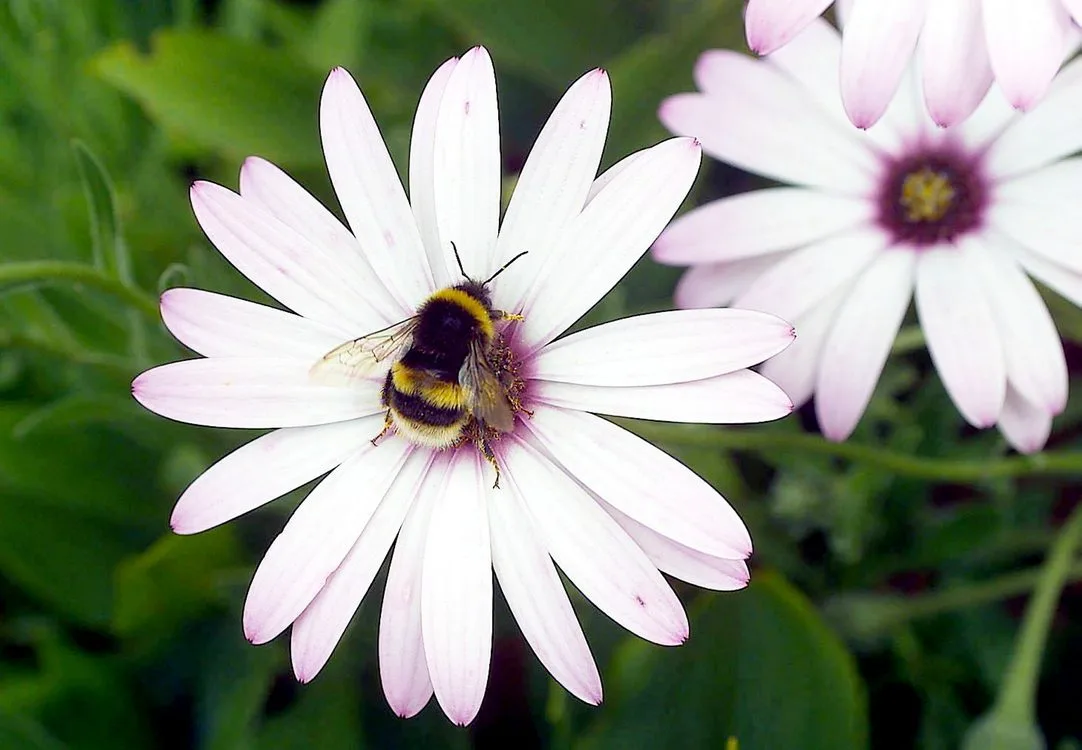
A bee expert in the United Kingdom has pushed back on the idea that leaving out bowls of sugar water is a meaningful way to help tired bees. According to Dr. Richard Comont, science manager at the Bumblebee Conservation Trust, those so-called hydration stations do not do much good for most bees and may distract from what they actually need.
Comont explained that bumblebees and most other flower-visiting insects get the moisture they need directly from nectar in flowers. Rather than offering sugar water, he said the better solution is to support bees with a cool, shaded area filled with healthy, well-watered flowers.
Honeybees are a little different because they gather water for hive cooling and for processing nectar, but they are only one species among many. In the UK alone, there are around 280 wild bee species, and their needs are far broader than a simple sugar-and-water mix.
The expert also noted that real nectar contains more than sugar. It includes other important compounds, such as amino acids and sterols, which help meet a bee’s nutritional needs. That means a homemade sugar solution cannot replace the natural food source bees rely on.
Comont said the most helpful setup for bumblebees would be a shaded patch of flowers, ideally kept watered or located near a pond. Moist soil and accessible water help plants continue producing nectar, while shade gives bees a longer window to feed before high temperatures make flying harder. He added that bumblebees begin to struggle once the air gets very hot, especially in direct sunshine.
Drought conditions make life especially difficult for bees because dry, heat-stressed plants produce less nectar and pollen. When flowers are dehydrated, they cannot support pollinators the way healthy plants can. For that reason, Comont said the most useful thing people can do is grow and protect plants that genuinely provide food.
He also pointed out that deep-rooted plants are especially valuable because they can hold on to water longer during dry spells. In addition, watering plants when possible can help them continue blooming and feeding bees for more of the season.
Rather than trying to revive bees with sugar water, Comont’s advice is simple: give them real flowers, shade, and a source of moisture that keeps those flowers alive. That, he says, is far more effective than any improvised rescue station.