

The late Steve Irwin — beloved worldwide as the “Crocodile Hunter” — continues to inspire generations of wildlife enthusiasts long after his passing. His influence can even be felt in scientific research today. Three researchers, R.S. Naveen, S.R. Chandramouli, and Zeeshan A. Mirza, have paid tribute to Irwin by naming a newly discovered snake species in his honor.
Their study details the discovery of a striking, glossy-black snake found on the Nicobar Archipelago, a chain of islands in the Bay of Bengal known for its extraordinary biodiversity. This remote region, recognized as a UNESCO Biosphere Reserve, is home to numerous rare and endemic species — and now, one more.
A new species in a delicate ecosystem
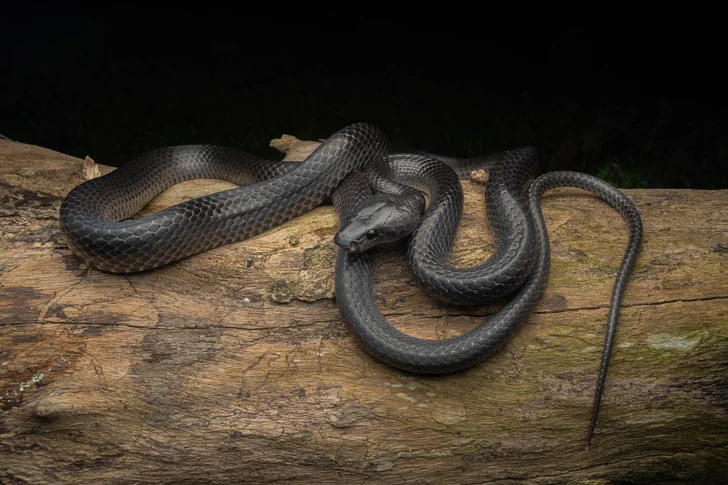
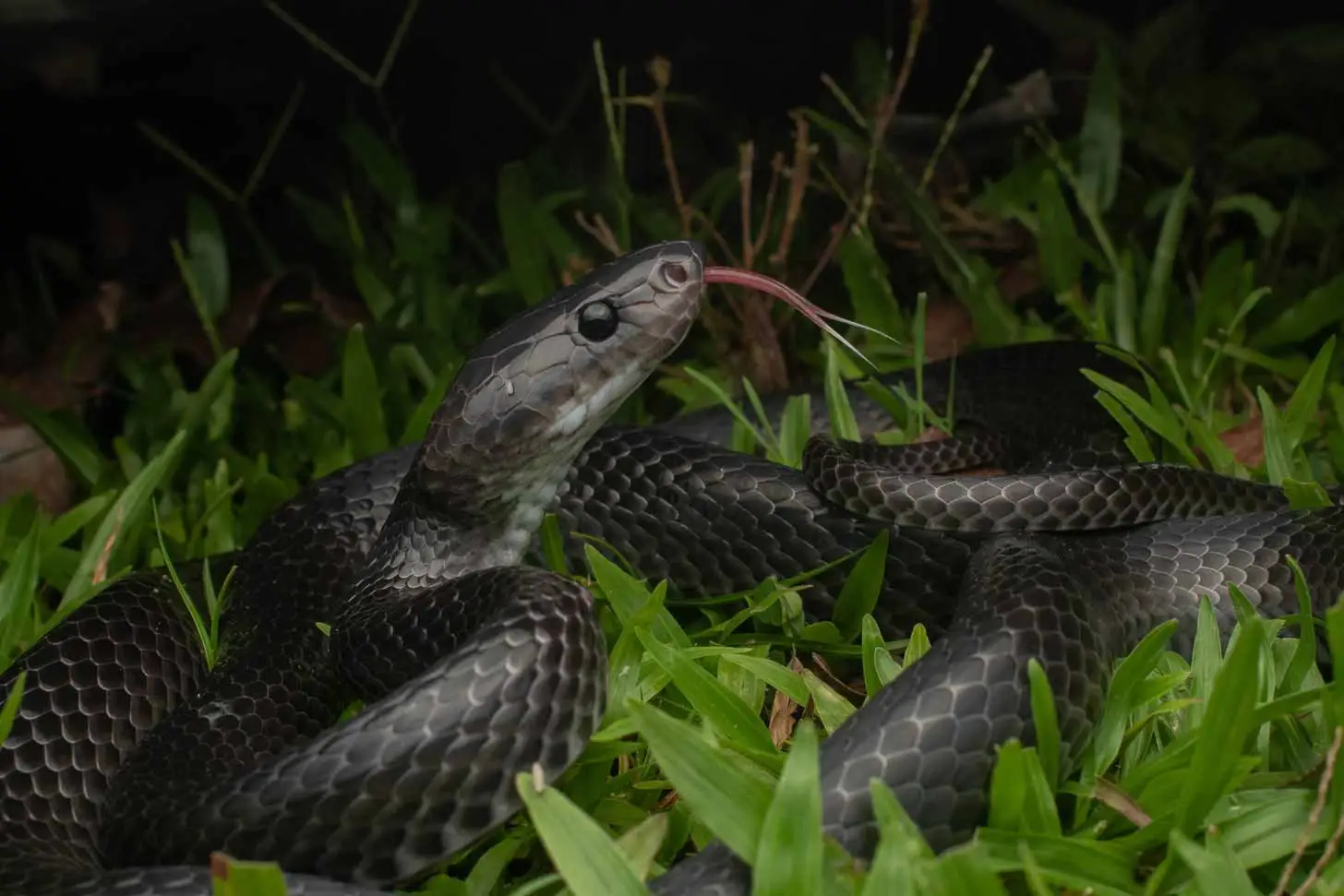
The newly identified reptile, a nonvenomous wolf snake, has officially been named Lycodon irwini. Growing up to around 3.3 feet in length, the snake is believed to be native only to the Nicobar Archipelago. According to the researchers, the discovery of L. irwini is yet another reminder that even today, new species remain hidden in Earth’s most biodiverse corners.
“New species continue to be discovered, exemplified by Lycodon irwini, highlighting the ongoing progress in taxonomy and the incomplete understanding of herpetofaunal diversity and distribution in the region,” the team wrote in their paper, published in Evolutionary Systematics.
The snake was found in a lush, moist evergreen forest on Great Nicobar Island. Its diet likely consists of amphibians, small mammals, and other reptiles. Because the species appears to have an extremely limited range — one facing human disturbance and rapid habitat loss — the researchers recommend it be classified as Endangered on the IUCN Red List.
A tribute to Steve Irwin’s conservation legacy

Naming the species after Steve Irwin is especially meaningful for the scientists, who grew up admiring his fearless passion for wildlife. Irwin became a global icon throughout the 1990s and early 2000s thanks to his television series The Crocodile Hunter, which showcased his energetic, enthusiastic approach to teaching the world about animals.
Irwin’s love for wildlife was rooted in his upbringing. His parents founded the Queensland Reptile and Fauna Park, which eventually became the Australia Zoo. In 1991, Irwin and his wife Terri took over the zoo’s management, continuing to expand its conservation work. After Steve’s tragic death in 2006, Terri and their children, Bindi and Robert, continued to honor his mission to protect and celebrate wildlife.
The research team credits Irwin directly for shaping their own interest in nature. “His passion and dedication to wildlife education and conservation have inspired naturalists and conservationists worldwide, including the authors of the paper,” they wrote.
Not the first species in his name
The Nicobar wolf snake isn’t the first animal to carry Irwin’s name — and it probably won’t be the last. At least three species native to Australia already honor him, including a turtle, a parasitic organism that affects koalas, and a species of small snail.
With the naming of Lycodon irwini, Steve Irwin’s impact once again extends beyond television screens and wildlife parks, leaving a legacy etched directly into the natural world he worked so passionately to protect.