

A new study has found that many modern dog breeds carry small amounts of wolf ancestry from long after dogs were first domesticated.
This wolf DNA isn’t a remnant from when dogs and wolves originally split over 20,000 years ago. Instead, it likely comes from interbreeding in the past few thousand years. Researchers suggest that this genetic influence may contribute to traits such as size, behavior, and personality in certain dog breeds, according to a paper published Nov. 24 in PNAS.
“Dogs are our companions, but wolves have played a significant role in shaping the traits we see in them today,” said Logan Kistler, curator of archaeobotany and archaeogenomics at the Smithsonian National Museum of Natural History.
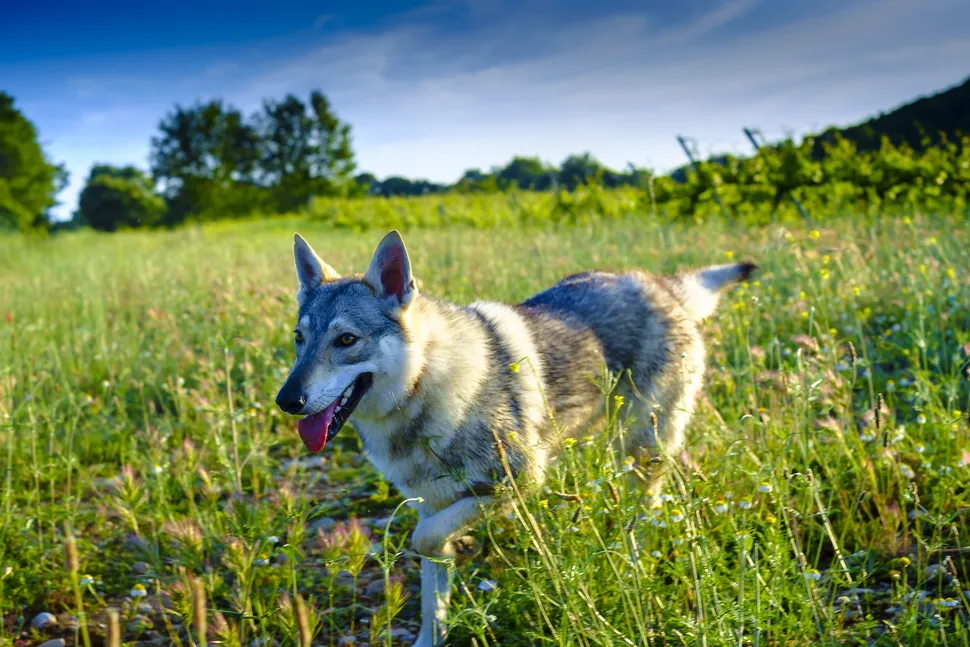
To explore this, scientists analyzed genomes from nearly 2,700 dogs and wolves, including ancient samples from the Late Pleistocene, modern domestic breeds, and “village dogs” that live near humans but aren’t kept as pets. They found that at least 264 modern dog breeds carry wolf DNA from interbreeding that occurred roughly 2,600 years ago — long after domestication. While most breeds had between 0 and 5% wolf ancestry, some breeds, such as Czechoslovakian and Saarloos wolfdogs, had up to 40%, likely due to intentional crossing with wolves in the 20th century.
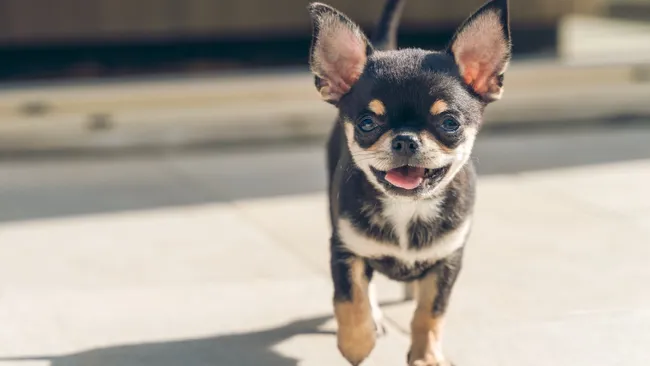
Interestingly, not all large or working breeds had high wolf ancestry, and even some tiny dogs carried trace amounts. For example, around 0.2% of a Chihuahua’s genome comes from wolves. “This makes sense for anyone who owns a Chihuahua — most dogs are a little bit wolfy,” said Audrey Lin, an evolutionary biologist at the American Museum of Natural History.
All tested village dogs also contained wolf DNA, particularly in regions related to olfactory receptors. Researchers suggest these wolf-derived genes may have helped free-living dogs survive in challenging environments by enhancing their sense of smell.
Some behavioral traits commonly used to describe dog breeds also correlated with wolf ancestry. Breeds with lower wolf DNA were often labeled “friendly,” “easy to train,” or “lively,” whereas breeds with more wolf influence were described as “suspicious of strangers,” “independent,” or “dignified.” It remains unclear whether these personality traits are directly caused by wolf genes.