

There were way more than he expected.
As a rescuer with Hill Country Snake Removal, a humane wildlife relocation service based in New Braunfels, Texas, Brett Parker is well-versed in handling snakes of all shapes and sizes.
Recently, Parker received a call from a concerned homeowner dealing with more than just plumbing problems. The man explained that while working beneath the house, his plumber had discovered three rattlesnakes hiding in the crawl space. With the plumbing job unfinished and venomous snakes potentially living under his home, the homeowner knew he needed expert help.
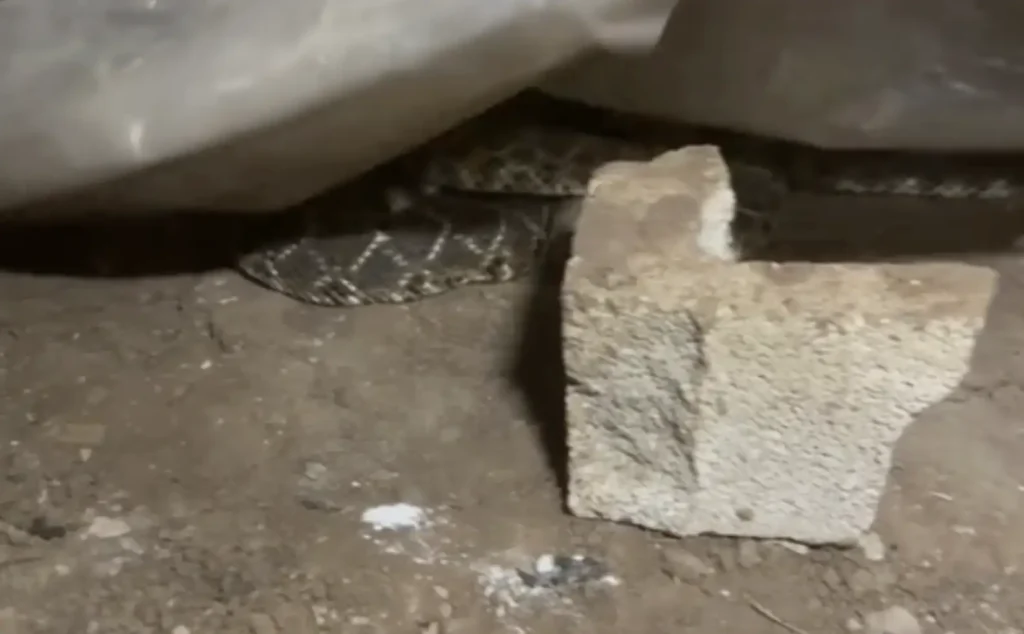
Parker quickly headed to the property, where he was joined by fellow rescuer Nathan Hawkins of Big Country Snake Removal. Armed with protective gear and experience, the two carefully crawled on their hands and knees into the narrow, dark space beneath the house to investigate.
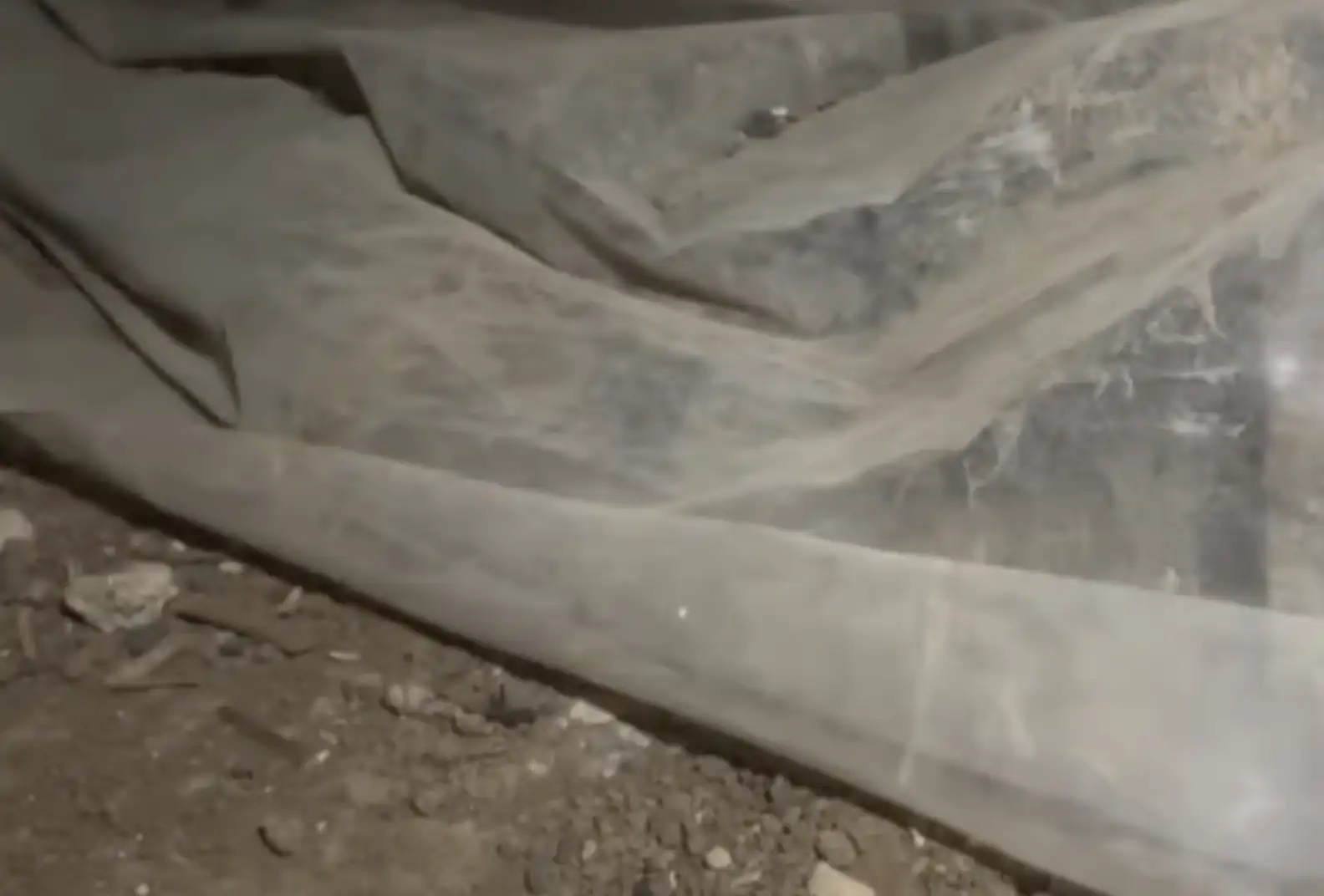
As they navigated the cramped crawl space, Parker noticed a plastic sheet laid out as a moisture barrier beneath the home. Then he heard something that immediately caught his attention.
“I heard a very faint ‘tick, tick,’” Parker told The Dodo. “It was enough for me to stop and investigate.”
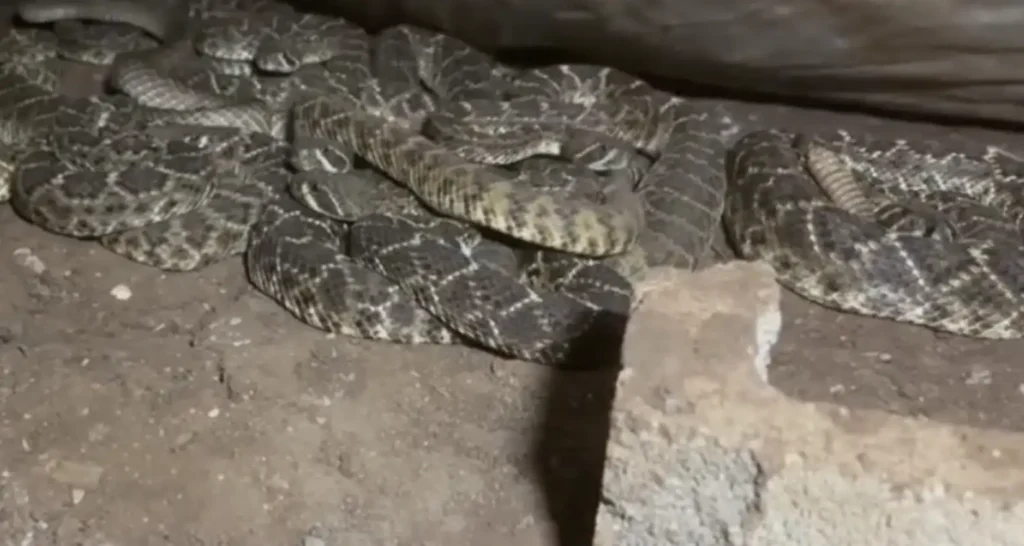
When Parker slowly lifted the plastic sheet, he was stunned by what he found. Coiled together beneath the tarp were 29 snakes — including 16 rattlesnakes, nine western coachwhips, and four Great Plains rat snakes.
While the number was surprising, Parker said it wasn’t unusual for snakes to gather in large groups during colder months. In winter, snakes enter a state known as brumation, similar to hibernation, where they seek out protected, stable environments to conserve energy and stay warm.
“The crawl space underneath a home often provides exactly the kind of environment snakes are looking for to survive the cold,” Parker explained.
Working slowly and carefully, Parker and Hawkins removed each snake one by one. Combined with the three rattlesnakes originally spotted by the plumber, the rescuers safely relocated a total of 32 snakes.
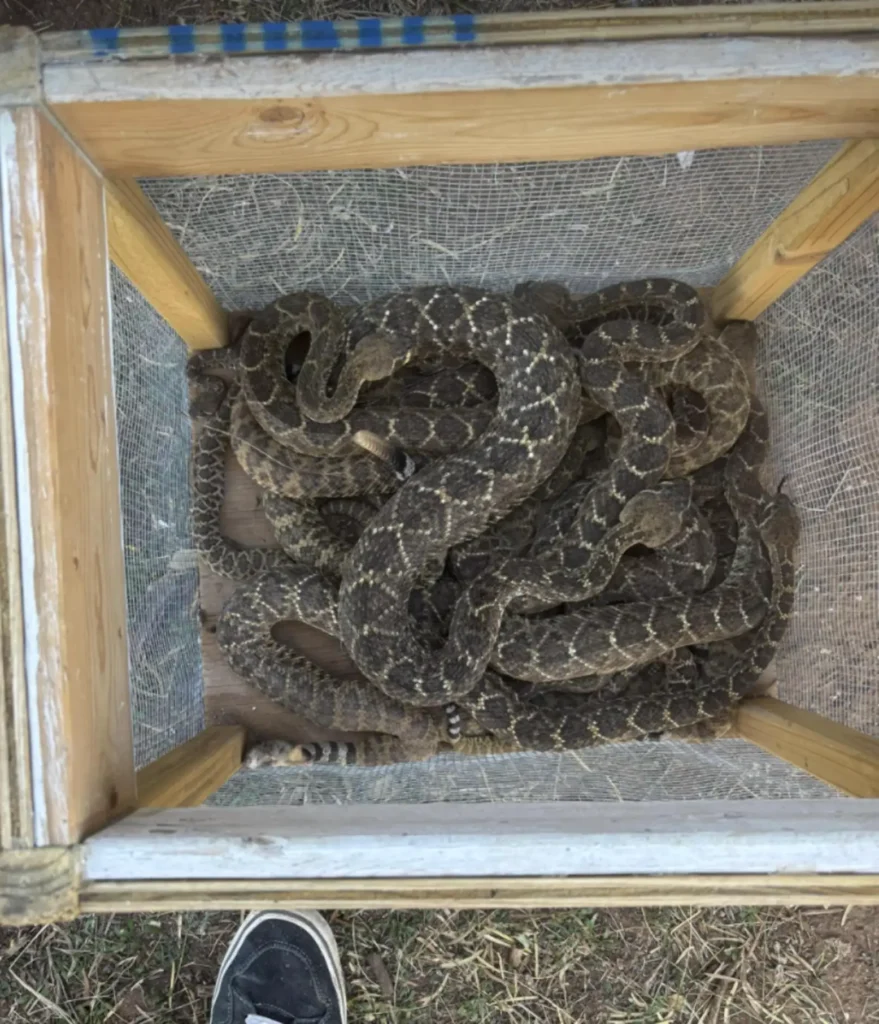
The homeowner agreed to allow the non-venomous snakes to be released back onto the property, recognising their harmless nature and the important role they play in controlling rodent populations.
The rattlesnakes, whose venom can pose a serious risk to humans, were transported to appropriate natural dens far away from residential areas.
Thanks to the rescuers’ expertise and commitment to humane wildlife management, all 32 snakes were safely relocated and left to continue brumating peacefully in the wild — exactly where they belong.