

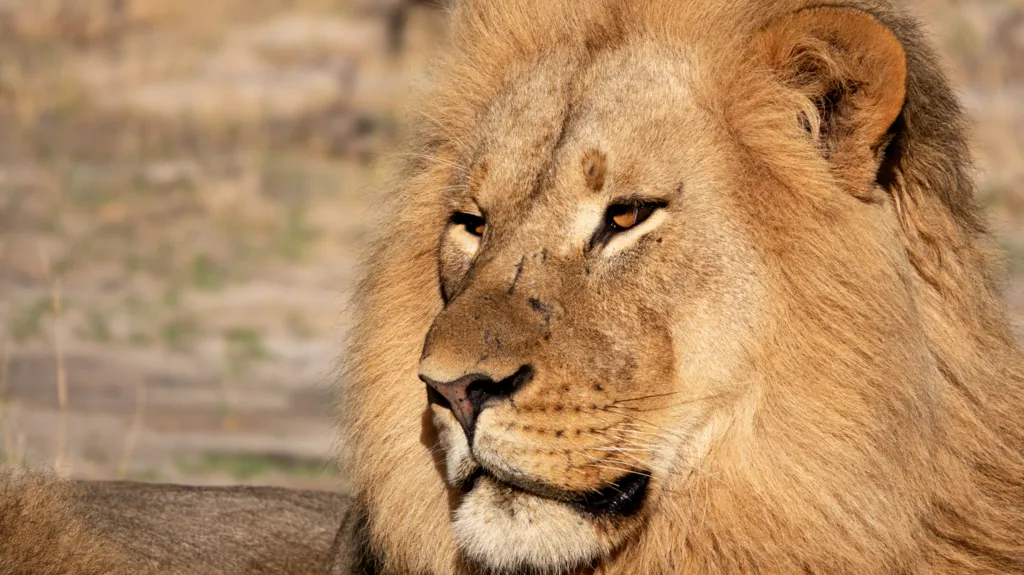
For the first time in the world, DNA from an individual lion has been used to successfully prosecute poachers — marking a major breakthrough in wildlife crime enforcement.
The landmark case took place in Zimbabwe after authorities linked seized lion body parts directly to a specific tracked animal in Hwange National Park.
A Collar Goes Silent
In May 2024, officials became suspicious when a radio collar worn by a male lion in Hwange National Park suddenly stopped transmitting.
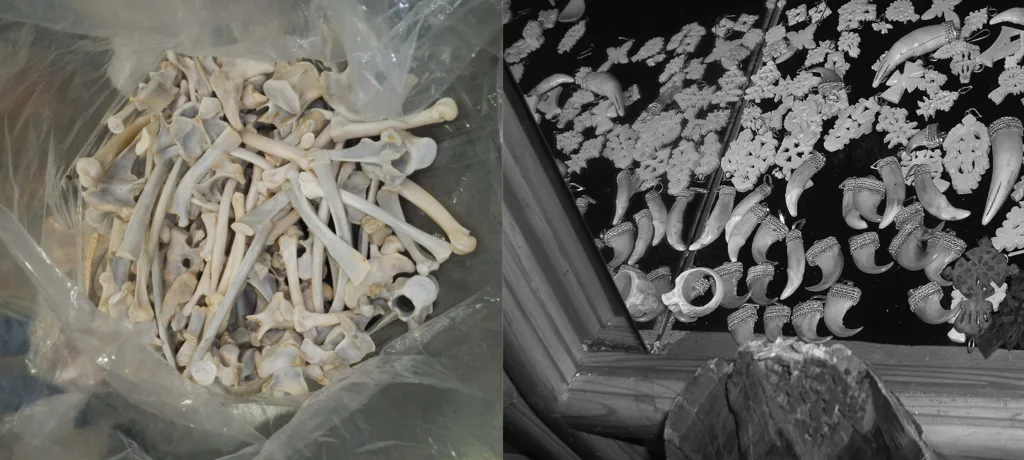
Investigators traced the collar’s last known location and discovered a snare with lion fur attached. Soon after, police questioned two men in a nearby village and found three sacks of meat, 16 lion claws and four teeth.
Ordinarily, possession of lion parts in Zimbabwe can be difficult to prosecute. Suspects often claim the items came from natural deaths or were long-held traditional ornaments.
However, this case was different.
The Power Of DNA Matching
A blood sample had previously been collected from the collared lion and entered into a national lion DNA database built by the Victoria Falls Wildlife Trust.
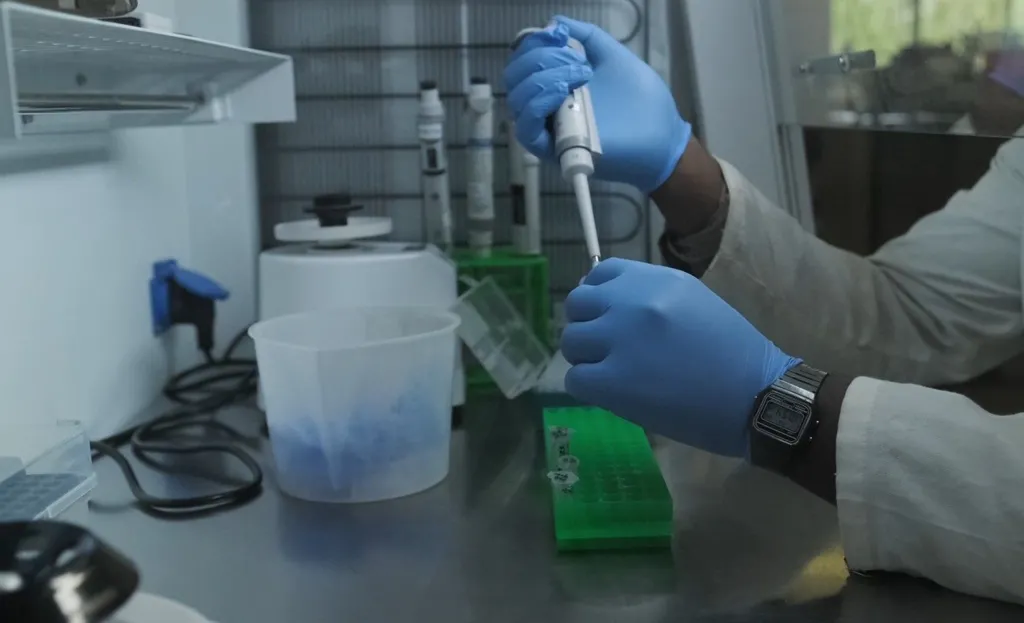
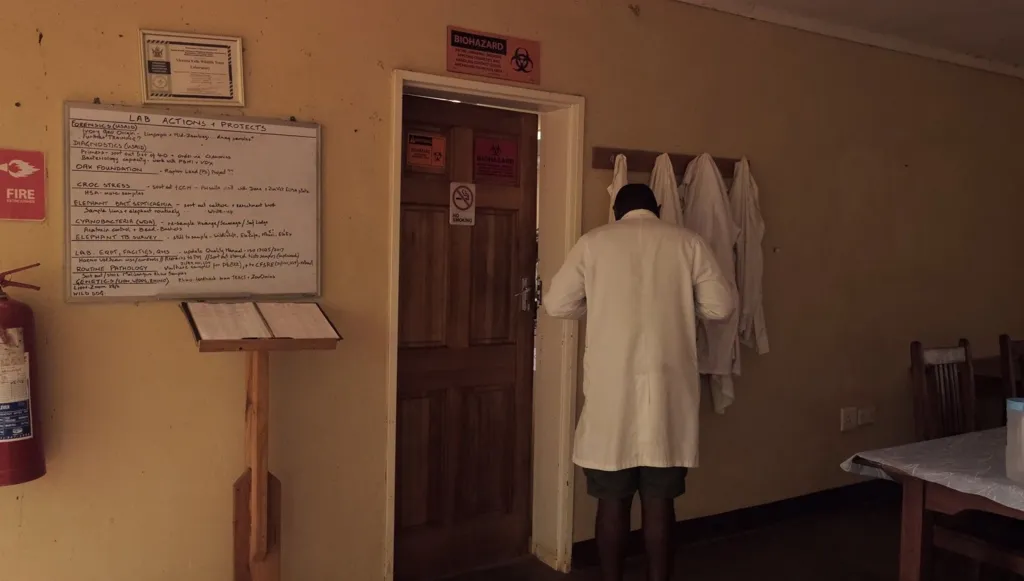
Using advanced forensic analysis, scientists generated DNA profiles from the recovered claws, teeth and meat. The results matched the missing lion’s genetic profile.
For the first time, authorities could prove that the seized body parts belonged to that specific tracked animal.
“This technology allows us to match those claws or products to the lion of interest that we are looking for,” said a scientist involved in the project, who requested anonymity for safety reasons.
Within 10 days of the killing, the DNA evidence was presented in court. Two men pleaded guilty and were sentenced to 24 months in prison.
The court heard the lion’s estimated value was about $20,000.
Years In The Making
The DNA database took eight years to build, supported in part by funding from the UK’s People’s Postcode Lottery. The forensic lab work was also supported by experts connected to TRACE Wildlife Forensics Network and anti-trafficking group TRAFFIC.
Richard Scobey, executive director of TRAFFIC, said the case demonstrates that countries now have the forensic capability to present solid, science-based evidence in court.
Professor Rob Ogden, a wildlife forensic specialist involved in establishing the system, described the conviction as “a message of hope.”
Why It Matters
Illegal trade in lion body parts has increased in recent years. Bones are sold for use in traditional Chinese medicine, while claws and teeth are often crafted into jewelry.
Authorities have recorded major seizures, including:
- 17 lion skulls discovered in Lusaka in 2021
- Over 300 kilograms of lion body parts confiscated in Maputo in 2023
Between 2010 and 2023, 426 lions were killed in Mozambique due to human contact, with about a quarter linked to deliberate poaching.
Experts believe organized crime networks involved in rhino horn and ivory trafficking may also be expanding into lion trade.
A New Era In Wildlife Protection
Until now, proving that seized body parts belonged to a specific illegally killed lion was nearly impossible. This breakthrough changes that.
By linking DNA from confiscated remains directly to a known, monitored animal, prosecutors can now eliminate many of the loopholes previously used by suspects.
Conservationists say the ruling sends a powerful message: poachers can no longer assume that wildlife crimes leave no trace.
Science, it seems, is beginning to roar back.