

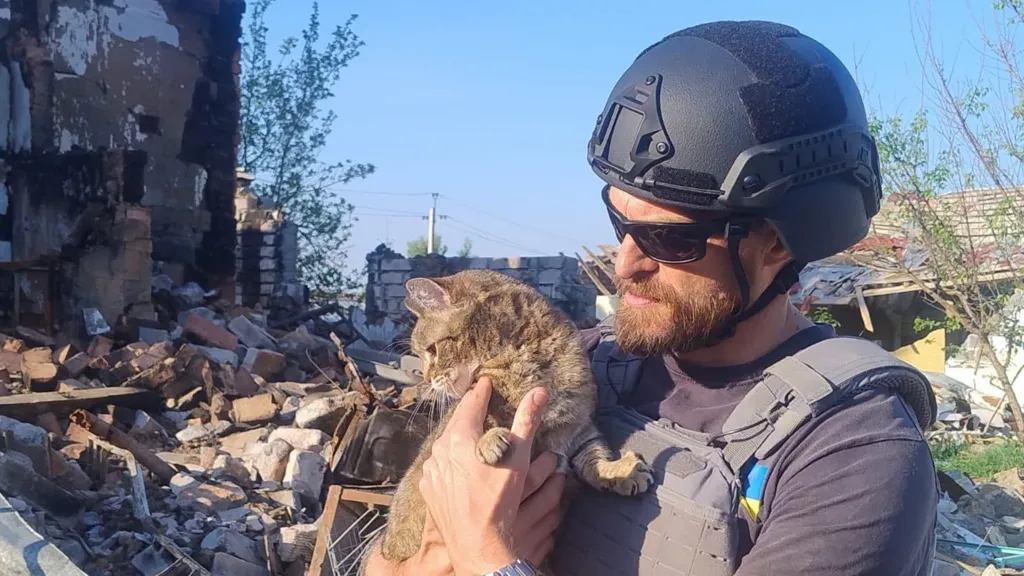
Former Royal Marine Paul “Pen” Farthing is returning to the UK after rescuing 30 cats and dogs from areas close to the front line in eastern Ukraine.
Farthing, 56, travelled thousands of miles to move the animals from Kramatorsk to safety in Smila, completing a challenging rescue mission through one of the most dangerous regions of the country.
The operation covered 8,170 miles and was carried out through his animal welfare charity, Nowzad.
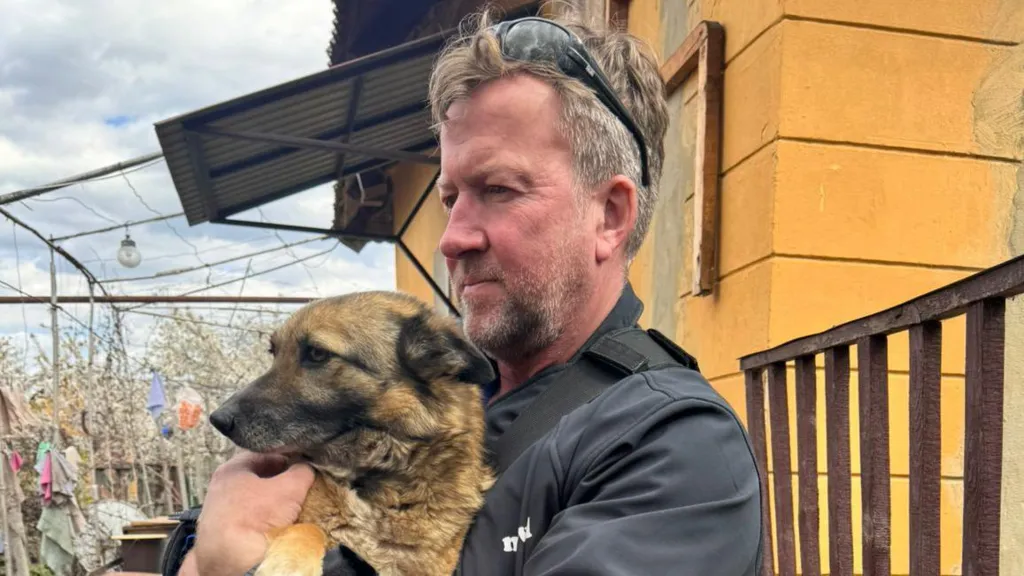
Animals Evacuated From Kramatorsk as Fighting Moves Closer
Kramatorsk, a city in eastern Ukraine, has come under increasing threat as Russian troops continue to advance in the region. According to reports, forces have moved to within just 7km of the city.
Farthing said the animals were at serious risk if they were left behind near the front line. He feared they could be shot on sight or abandoned as fighting intensified.
Speaking from the Ukraine-Poland border, he described the emotional impact of witnessing the war up close.
“When you go to the east and see the indiscriminate missile attacks and the drones, you just feel sadness that all of this is happening,” he told the BBC.
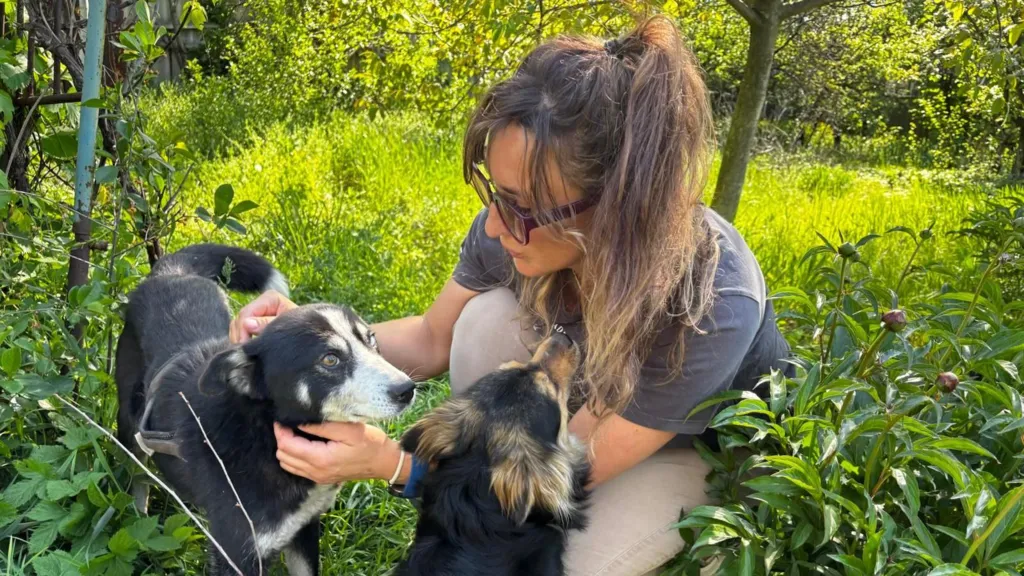
A Successful Rescue Mission Marked by Sadness
Although the mission successfully brought 30 cats and dogs to safety, Farthing said he left Ukraine feeling conflicted and deeply saddened by the wider suffering of the Ukrainian people.
The former commando explained that while the animal rescue was a success, the reality of the war remained overwhelming.
“We are just little pawns on the chess board and have no ability to stop the war,” Farthing said.
He added that returning home to a peaceful life in the UK felt difficult after seeing the destruction and danger faced by people in Ukraine every day.
Nowzad Team Dodges Drones and Missiles During Rescue Operation
Farthing was joined on the high-risk mission by vets Lachlan Campbell and Angela Stoop, along with Nowzad grants manager Nina Ley.
The team faced dangerous conditions as they travelled through areas affected by drone strikes and missile attacks. Despite the risks, they managed to move the animals to temporary safety and continue planning further support.
Nina Ley said leaving the region was emotionally difficult because the crisis was still unfolding.
“As we turned around and left, it still seemed like such a crisis, so unnecessary and so very sad,” she said.
Nowzad Plans to Return to Ukraine in June
Despite the danger, Farthing has vowed to return to Ukraine in June after restocking supplies in the UK.
Nowzad plans to continue its rescue work and build more temporary housing for animals affected by the war. The charity has also launched an appeal to raise £50,000 to support future missions.
Ley thanked supporters for their response and said this rescue effort was only the beginning.
“This is just the very beginning. We’ll go back, we’ll regroup, and we’ll build more temporary housing,” she said.
Paul Farthing’s History of Animal Rescue Work
This is not the first time Farthing has carried out a high-profile animal rescue mission in a war zone.
In 2021, he helped evacuate 67 Afghan people and around 150 animals from Afghanistan during the Taliban takeover. His work has since made him one of the most recognized figures in international animal rescue.
Through Nowzad, Farthing and his team continue to support animals and communities affected by conflict.
War, Compassion, and the Fight to Save Abandoned Animals
The rescue of 30 cats and dogs from eastern Ukraine highlights the devastating impact of war on both people and animals.
While Farthing and the Nowzad team were able to save dozens of vulnerable animals, they also witnessed the ongoing suffering of those unable to leave the conflict zone.
Their mission serves as a reminder that compassion remains powerful even in the darkest circumstances — and that animal rescue efforts can bring hope to places affected by war, fear, and uncertainty.