

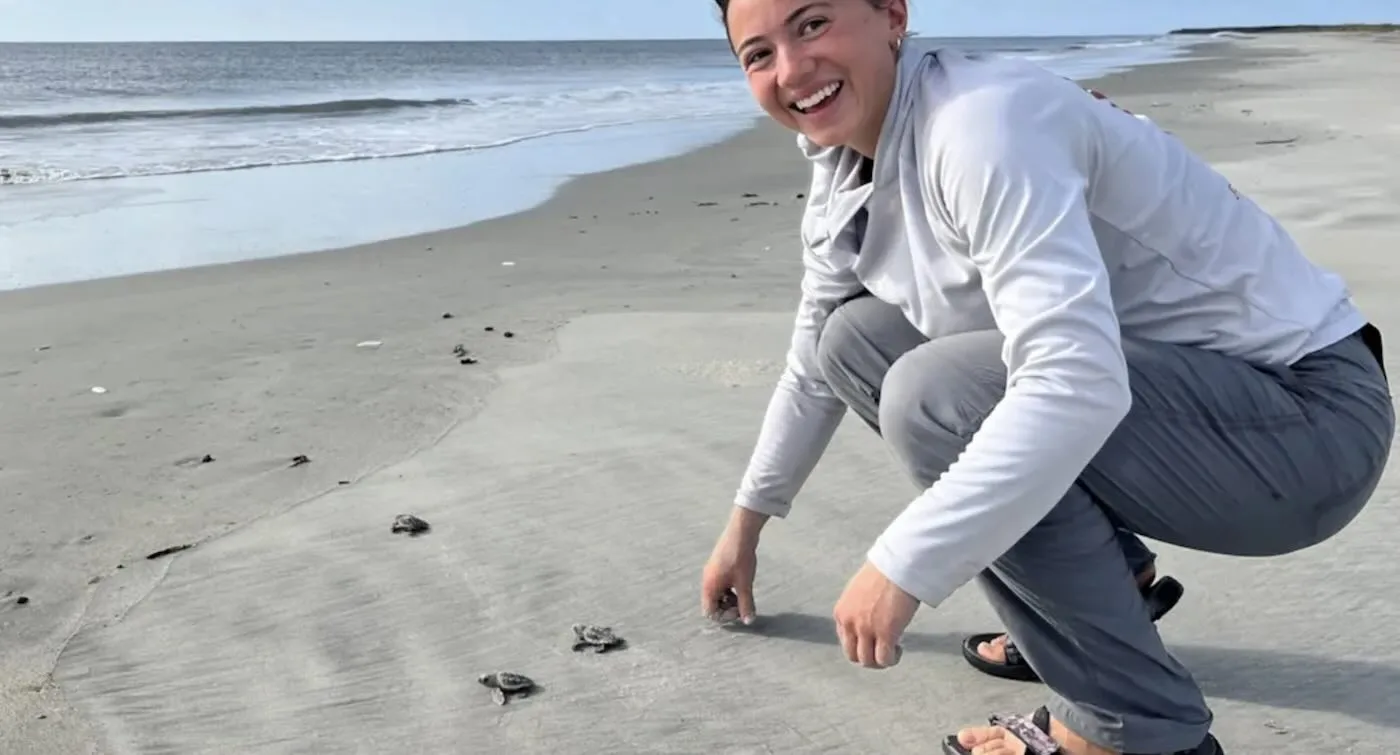
Loggerhead sea turtles have reached a major conservation milestone along Georgia’s Atlantic coastline, where nesting numbers have climbed to their highest level in 37 years.
According to the Georgia Department of Natural Resources, more than 4,110 loggerhead nests were recorded this season, surpassing every annual total since statewide monitoring began in 1989.
The result is especially significant because loggerheads have been listed as threatened under the U.S. Endangered Species Act since 1978. Wildlife officials describe the increase as evidence of a gradual but meaningful recovery.
The latest total also exceeds the previous record of 4,071 nests, set in 2022. In fact, nesting numbers have now broken records twice within the past five summers.
That progress is particularly encouraging because loggerhead sea turtles reproduce very slowly. Although adults can weigh around 300 pounds, females generally do not begin laying eggs until they are roughly 30 to 35 years old.
Their populations can also rise and fall dramatically from year to year. In 2004, for example, Georgia recorded only about 358 nests, one of the lowest totals ever documented.
Despite those fluctuations, the long-term trend has been positive. Since the early 1990s, loggerhead nesting along Georgia’s coast has increased by roughly 4% each year.

Much of that improvement is linked to decades of conservation work. Members of the Georgia Sea Turtle Cooperative patrol beaches early each morning during nesting season, identifying new nests, marking their locations and protecting them from potential threats.
Changes in fishing practices have also helped. Since 1990, shrimp trawlers have been required to use turtle excluder devices, which give sea turtles an escape route if they are accidentally caught in fishing nets.
Loggerheads spend nearly all their lives in the ocean, returning to land mainly to reproduce. Between May and mid-August, adult females crawl onto beaches at night, dig deep nests in the sand and usually lay around 100 eggs at a time.
The eggs, which are roughly the size of ping-pong balls, remain buried until the hatchlings emerge and make their way toward the sea.
Wildlife experts believe nesting numbers may level off for a period after this strong increase. However, if existing protections remain in place, populations could begin rising again in the future.
Mark Dodd, who coordinates Georgia’s sea turtle conservation program, believes continued recovery could eventually push nesting numbers to levels not seen in the state since the 1950s.
For conservationists, the new record is an encouraging sign that decades of habitat protection, monitoring and safer fishing practices are helping one of the Atlantic coast’s most recognizable marine species make a slow but steady comeback.