

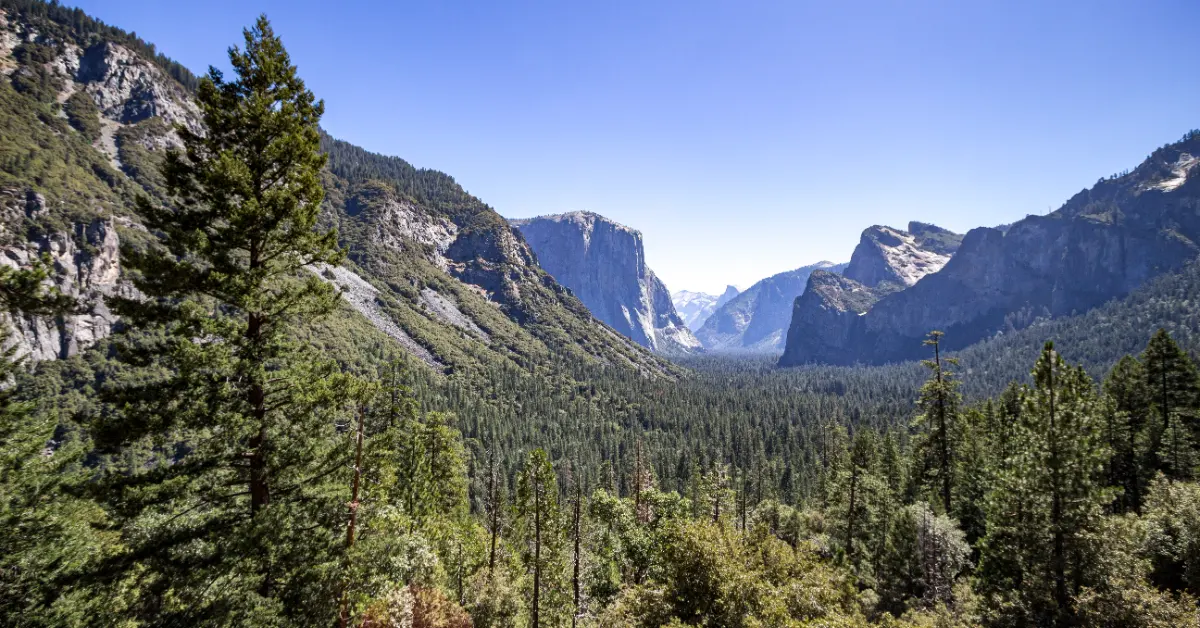
For nearly half a century, something special was missing from one of America’s most beautiful national parks.
Yosemite National Park, famous for its towering cliffs, spectacular waterfalls, and lush forests, was once home to a small but important native animal: the California red-legged frog.
But during the 1970s, these frogs mysteriously vanished from Yosemite Valley.
Years passed. Then decades.
And for a long time, it seemed possible that these remarkable amphibians might never return to the place they once called home.
But a determined group of conservationists refused to accept that their disappearance had to be permanent.
They spent years restoring damaged habitats, removing invasive predators, and developing a special program to bring the frogs back.
And in May 2026, their dedication led to an extraordinary celebration.
The 10,000th red-legged frog was released into Yosemite.
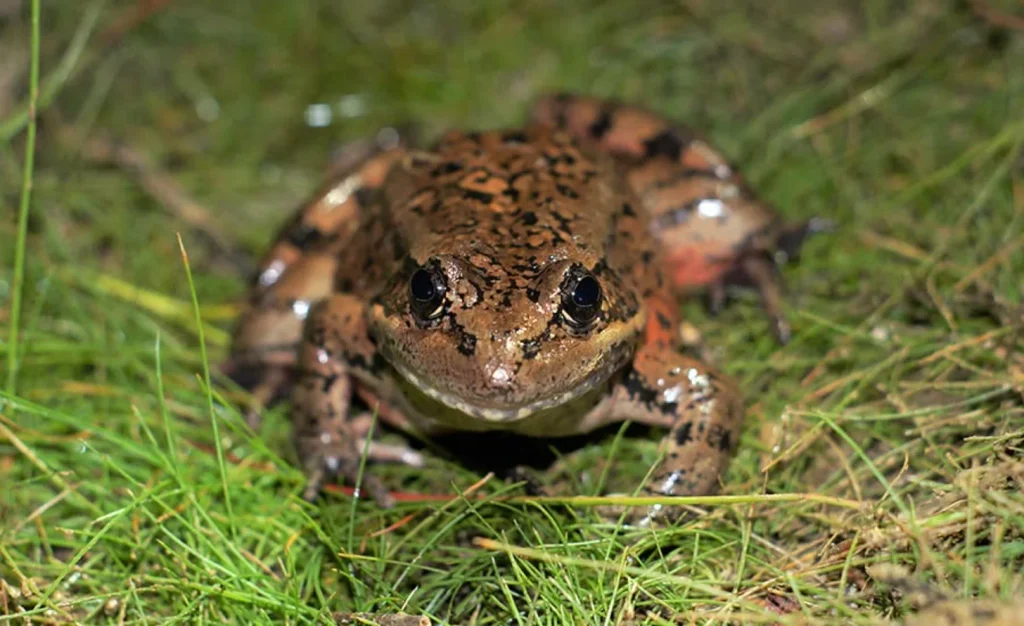
Even more encouraging, the animals are now establishing new generations in the wild.
After decades of absence, Yosemite’s missing frogs are finally coming home.
How An Entire Population Disappeared
California red-legged frogs are native to parts of California, including the Sierra Nevada region.
These amphibians are known for their distinctive markings and reddish coloring on their hind legs.
They depend on healthy aquatic habitats, including ponds, wetlands, streams, and nearby vegetation, to survive and reproduce.
For many years, Yosemite provided suitable conditions for them.
But by the 1970s, their environment had changed dramatically.
Conservationists believe several factors contributed to the frogs’ disappearance.
One major problem was the spread of invasive American bullfrogs.
These larger amphibians can prey on smaller frogs and compete with native species for food and space.
As bullfrogs became established, the red-legged frogs faced increasing pressure.
Habitat loss created additional problems.
Wetlands, streambanks, and river environments were affected by changes that reduced the quality of the frogs’ natural homes.
At the same time, elevated raccoon populations added another threat.
Together, these pressures contributed to the disappearance of California red-legged frogs from Yosemite Valley.
And once the frogs were gone, restoring them would be far more complicated than simply bringing in a few replacements.
A Plan To Bring The Missing Frogs Back
For years, park staff and wildlife specialists worked to address the problems that had caused the frogs to disappear.
One of their priorities was removing invasive bullfrogs from areas where native red-legged frogs might eventually return.
They also worked to improve wetlands, restore streambanks, and create healthier conditions around rivers and other aquatic habitats.
These improvements were essential.
If conservationists released frogs into the same dangerous environment that had contributed to their disappearance, the reintroduction could fail.
So the teams focused on making Yosemite Valley a place where the species could survive again.
After years of preparation, they were finally ready to begin a much more ambitious effort.
In 2016, a coordinated program was established to raise and release California red-legged frogs into Yosemite.
The project involved several organizations, including the National Park Service, the United States Fish and Wildlife Service, the California Department of Fish and Wildlife, Yosemite Conservancy, and San Francisco Zoo & Gardens.
Together, they shared one important goal.
They wanted to return a missing native species to Yosemite and help it establish a lasting population.
What followed would become a decade-long story of patience, collaboration, and remarkable progress.
A Special Nursery For Tiny Frogs
One of the most important parts of the conservation effort takes place far from Yosemite, at the San Francisco Zoo.
In 2016, the zoo established a specialized facility to help raise young California red-legged frogs for release into the national park.
The process begins with eggs collected from wild populations.
These eggs are brought into a carefully managed environment, where experts can monitor their development and provide appr