


Scientists have created the first detailed genetic map of cancer in pet cats — and the findings reveal striking similarities between feline and human cancers.
Researchers analyzed tumor DNA from nearly 500 domestic cats, examining around 1,000 genes linked to 13 different types of feline cancer. Their discoveries could help improve treatments for both cats and people.
A “Black Box” Finally Opened
The international research team, led by the Wellcome Sanger Institute, found that many cancer-driving genes in cats mirror those found in humans.
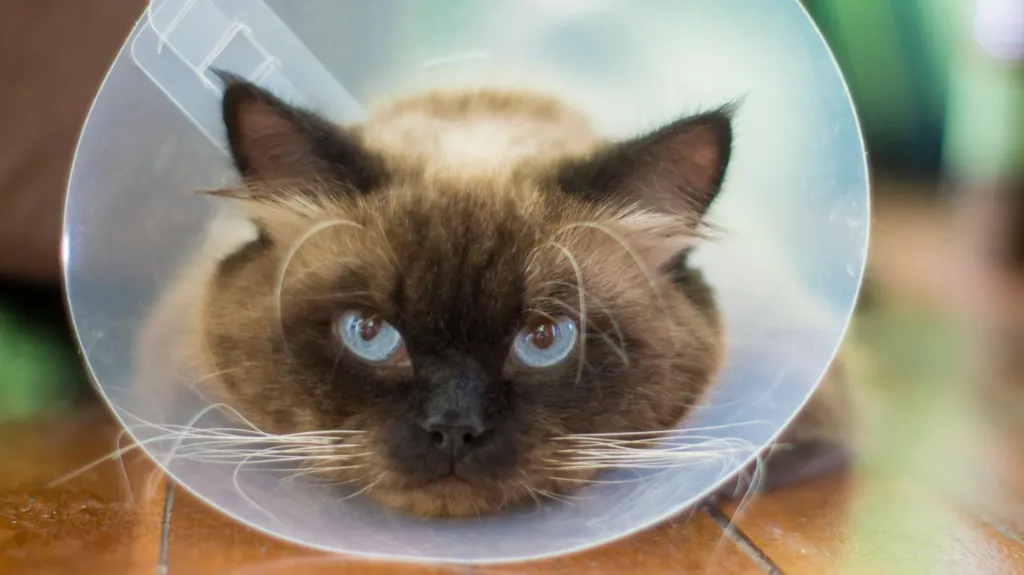
Until now, researchers knew very little about how cancer develops in cats.
“Cat cancer genetics has totally been a black box up until now,” said lead researcher Dr. Louise Van der Wayden. “The more we can understand about cancer in any species has got to be beneficial for everybody.”
Why Cats Matter In Cancer Research
Cancer is one of the leading causes of illness and death in cats. Yet compared to dogs — which have been studied extensively — feline cancers have received far less scientific attention.
This new study, published in Science, shows that cats share key biological pathways with humans that allow tumors to grow and spread.
One particularly important discovery involves triple negative breast cancer, an aggressive subtype that accounts for about 15% of human breast cancer cases. Cats develop this form of cancer more frequently than humans, meaning researchers may gain valuable insights from feline samples.
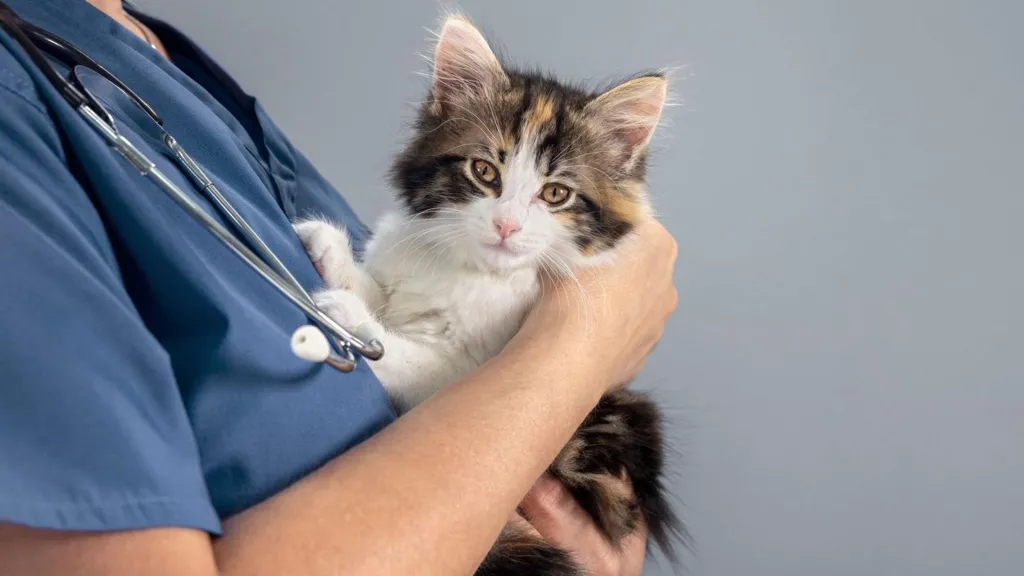
Because pet cats live in the same homes and environments as their owners, they also experience many of the same environmental exposures. That makes them uniquely useful in studying how pollution, chemicals or lifestyle factors may influence cancer risk.
Prof. Geoffrey Wood of the Ontario Veterinary College explained:
“This can help us understand more about why cancer develops in cats and humans, how the world around us influences cancer risk, and possibly find new ways to prevent and treat it.”
Benefits For Pets And People
Nearly a quarter of UK households own at least one cat. As beloved companions, improving cancer treatments for them is already a priority for veterinarians.
However, this research could go further. By comparing feline and human tumor genetics, scientists may uncover:
- Shared mutations that can be targeted with new drugs
- Better diagnostic tools
- Preventative strategies tied to environmental risks
In short, studying cancer in cats doesn’t just help cats — it may accelerate breakthroughs for humans as well.
The research marks a major step forward in comparative oncology, opening new possibilities for cross-species cancer treatment and prevention.
And for the millions of people who share their homes with cats, that progress could make a world of difference.