

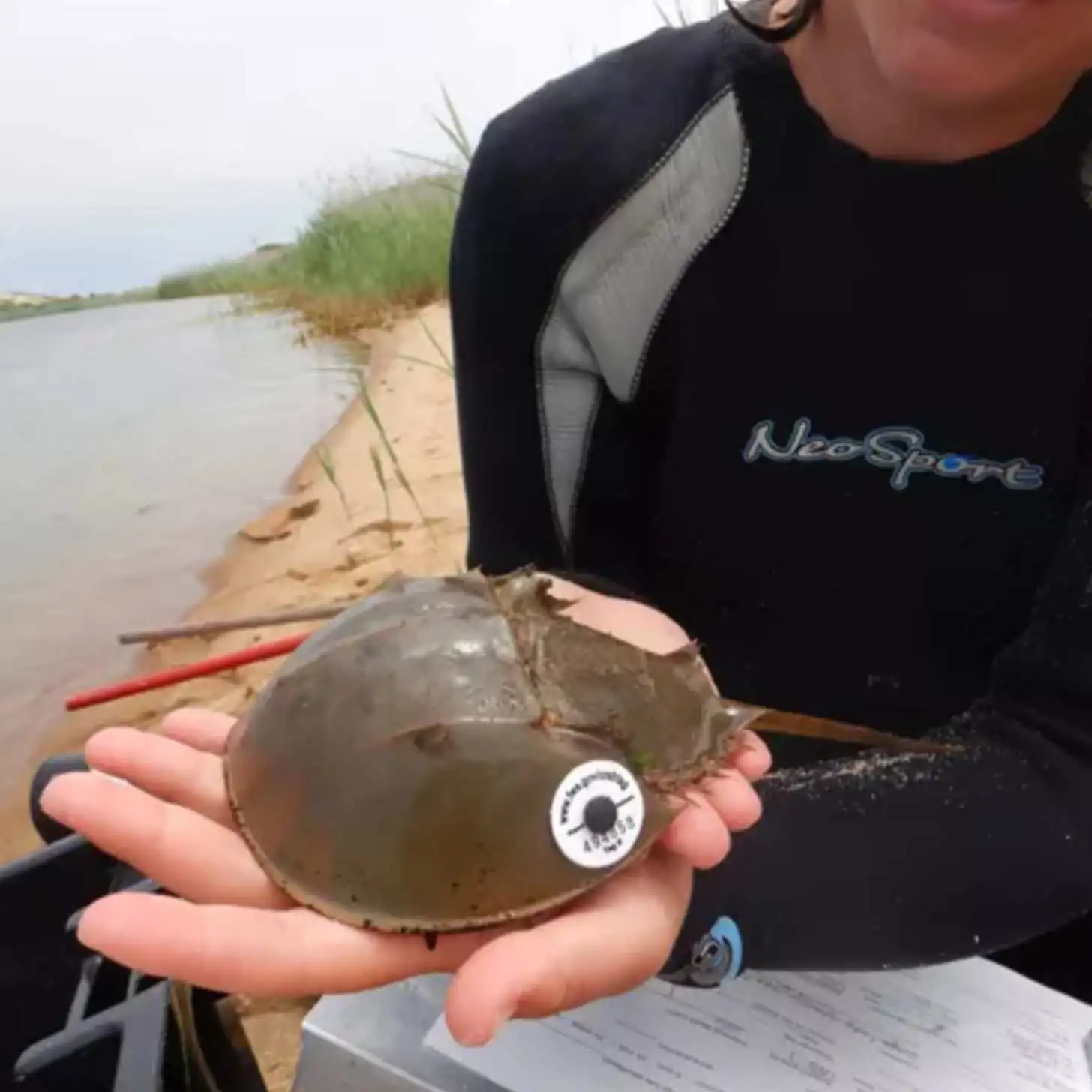
When people think of America’s national parks, iconic animals like bison, black bears, and bald eagles often come to mind. But at Cape Cod National Seashore, a much older and often overlooked species is making a remarkable comeback — the horseshoe crab.
A “Living Fossil” With an Ancient Past
Despite their name, horseshoe crabs are not true crabs. They are ancient arthropods that have existed for more than 445 million years, surviving five mass extinction events.
They also play a critical role in coastal ecosystems, serving as a vital food source for turtles, birds, and fish along the Atlantic Coast.
“They look like trouble, but they’re not,” said Lawrence Niles, co-founder of the Horseshoe Crab Recovery Coalition.
Why Horseshoe Crab Numbers Declined
In recent decades, horseshoe crab populations have fallen due to:
- Overharvesting for bait
- Biomedical bleeding, where their bright-blue blood is used to test drugs and vaccines for toxins
These pressures pushed the species into serious decline across the East Coast.
A Habitat Lost — and Restored
For nearly 150 years, horseshoe crabs disappeared from East Harbor at Cape Cod National Seashore. The area had been cut off from the ocean for industrial use, destroying the natural saltmarsh lagoon.
In 2008, a restoration project reopened the waterway, allowing seawater to flow back into the harbor.
A Thriving Comeback
The results have been extraordinary. Today, thousands of horseshoe crabs have returned, along with clams, oysters, and quahogs.
Aquatic ecologist Sophia Fox believes many of the crabs now breeding hatched in the same restored habitat more than 12 years ago.
“This is what we call our happy story in a world of doom and gloom,” Fox said.
Proof That Conservation Works
The revival of horseshoe crabs at Cape Cod National Seashore is living proof that habitat restoration can heal ecosystems — and that even ancient species can be given a second chance.