
Two extraordinary dogs, a friendly alpaca and a dedicated team of wildlife volunteers have been recognised for their outstanding contributions to animal welfare and their local communities in Devon.
The finalists for the BBC Radio Devon Make A Difference Animal Award include animals that provide emotional support, help people with disabilities and bring happiness to vulnerable individuals.
The awards also celebrate volunteers who dedicate their time to protecting wildlife and caring for endangered species.
From therapy visits at colleges to conservation work at a local wildlife trust, these inspiring stories demonstrate the powerful relationship between humans and animals.
1. What Is the BBC Radio Devon Animal Award?
The BBC Radio Devon Make A Difference Animal Award recognises animals and people who have made a positive impact on their communities.
The award celebrates animals that improve people’s lives and individuals or organisations that work to protect and care for animals.
This year’s finalists include:
- Jet: A therapy and detection dog supporting students at Exeter College.
- Ridley: A former guide dog and therapy dog being honoured for his lifetime of service.
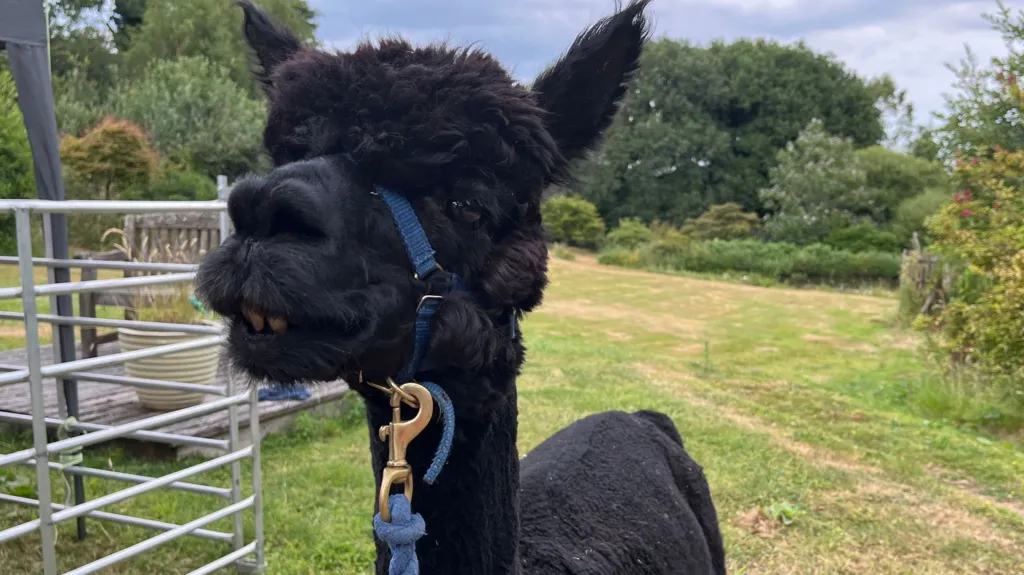
- Thunderball: A friendly alpaca bringing happiness to hospitals, schools and care homes.
- Shaldon Wildlife Trust volunteers: A dedicated team caring for endangered animals and supporting conservation programmes.
Each finalist demonstrates a different way animals and people can improve lives.
2. Meet Jet: The Therapy Dog Helping Students
Jet, a cocker spaniel, has become an important part of student life at Exeter College.
Together with his owner, Nick Jarrold, Jet volunteers with the charity Pets as Therapy. The pair visit the college twice a week, providing emotional support to hundreds of students.
Spending time with Jet helps students relax, reduce stress and feel more confident during their college day.
His friendly personality creates a welcoming environment where students can take a break from academic pressures.
However, providing emotional support is not Jet’s only talent.
He is also a trained detection dog who demonstrates his skills to students preparing for careers in public service professions.
Through his different roles, Jet shows how specially trained dogs can contribute to education and emotional well-being.
3. Ridley: A Lifetime of Service and Companionship
Another finalist is Ridley, a remarkable dog being recognised for his lifetime of dedication.
Ridley began his career as a guide dog, spending eight years supporting people with visual impairments.
After retiring from his original role, he became an ambassador for the Guide Dogs charity.
As an ambassador dog, Ridley attended public events and fundraising activities, helping raise awareness of the important work performed by assistance dogs.
His outstanding contributions earned him recognition as a Hero Dog.
Supporting Children’s Education
Ridley’s achievements extended beyond his work as a guide and ambassador dog.
He also participated in Paws and Read, a programme designed to help children develop their reading skills.
Reading alongside a calm and friendly dog can create a comfortable environment for children, particularly those who lack confidence.
Ridley’s gentle nature made him a valuable companion throughout his different roles.
Sadly, Ridley died in May. He is being honoured posthumously in recognition of his remarkable service.
His owner, Peter Boston, remembers him as a guide dog, ambassador, therapy dog and devoted companion who touched many lives.
4. Thunderball: The Therapy Alpaca Bringing Happiness to People
Therapy animals are usually associated with dogs, but Thunderball demonstrates that other animals can provide valuable emotional support.
Thunderball is a friendly alpaca from Lakemoor Alpacas who regularly visits care homes, schools and hospitals.
Alongside his owners, Sam and Mark Norman, he brings comfort and happiness to people of different ages and backgrounds.
How Thunderball Helps People
Thunderball is known for his gentle and caring personality.
During visits to care homes, he sometimes enters residents’ rooms to interact with people who may have difficulty participating in other activities.
These visits provide an opportunity for companionship, emotional connection and enjoyable experiences.
His unusual appearance also creates memorable moments, particularly when he travels through buildings and uses lifts.
According to his owners, residents often respond with excitement and happiness when Thunderball arrives.
His nomination highlights the growing recognition of animals in emotional support and therapeutic activities.
5. Shaldon Wildlife Trust: Volunteers Protecting Endangered Animals
While the other finalists are animals recognised for helping people, the volunteers at Shaldon Wildlife Trust are being celebrated for helping wildlife.
The charity operates one of the United Kingdom’s smallest zoos and supports the care and conservation of more than 50 animal species.
Its volunteers play an important role in maintaining animal welfare and supporting conservation activities.
Their daily responsibilities include feeding animals, assisting with care and supporting the trust’s wider wildlife protection work.
Which Animals Do the Volunteers Care For?
The volunteers work with a variety of fascinating species, including:
- Lemurs
- Meerkats
- Capuchin monkeys
- Tamarins
They also contribute to breeding and conservation programmes designed to support vulnerable and endangered wildlife.
Charlotte, one of the volunteers, described the opportunity to work with these animals as a privilege.
For the team, volunteering is more than completing daily responsibilities. It provides an opportunity to make a positive contribution to wildlife conservation.
Their nomination recognises the importance of volunteer work in protecting animals and supporting conservation organisations.
6. Meet the Animal Award Finalists
The four finalists represent different forms of service, including emotional support, assistance, education and wildlife conservation.
Table 1: BBC Radio Devon Animal Award Finalists
| Finalist | Main contribution |
|---|---|
| Jet | Supports students through therapy visits and demonstrates detection skills |
| Ridley | Served as a guide dog, ambassador and therapy dog |
| Thunderball | Provides therapeutic visits to care homes, schools and hospitals |
| Shaldon Wildlife Trust volunteers | Care for wildlife and support conservation programmes |
Although their contributions are different, all four finalists demonstrate the positive influence animals and dedicated volunteers can have on communities.
7. Why Are Therapy Animals Important?
Therapy animals can provide valuable emotional support in educational, medical and residential care environments.
Their presence can encourage social interaction, offer companionship and create opportunities for relaxation.
Animals such as Jet and Thunderball demonstrate how these interactions can benefit different groups of people.
Potential Benefits of Therapy Animals
| Benefit | How animals can help |
|---|---|
| Emotional support | Provide comfort and companionship |
| Stress reduction | Encourage relaxation during challenging situations |
| Social interaction | Create opportunities for communication |
| Educational support | Help students participate in learning activities |
| Improved well-being | Encourage positive experiences and emotional connection |
The effectiveness of animal-assisted activities depends on individual needs, appropriate training and the environment in which interactions take place.
These programmes also require careful attention to animal welfare to ensure that participating animals remain healthy, comfortable and safe.
8. Why Wildlife Volunteers Matter
Wildlife conservation organisations rely on dedicated staff and volunteers to support their work.
Volunteers at facilities such as Shaldon Wildlife Trust contribute to daily animal care while helping educate the public about wildlife protection.
Their contributions support several important goals:
- Improving the welfare of animals in human care.
- Supporting conservation and breeding programmes.
- Raising awareness of endangered wildlife.
- Encouraging public participation in conservation.
- Helping wildlife organisations carry out their daily activities.
Recognising these contributions highlights the important role volunteers play in animal welfare and conservation.
9. Frequently Asked Questions
What Is the BBC Radio Devon Make A Difference Animal Award?
The award recognises animals that improve people’s lives and individuals or groups who contribute to animal welfare.
Who Are the Animal Award Finalists?
The finalists featured are Jet, Ridley, Thunderball and the volunteers at Shaldon Wildlife Trust.
What Does Jet the Therapy Dog Do?
Jet visits Exeter College twice a week with his owner, Nick Jarrold, to provide emotional support to students. He is also a trained detection dog.
Why Is Ridley Being Honoured?
Ridley is being recognised for his years of service as a guide dog, ambassador and therapy dog. He died in May and is being honoured posthumously.
What Makes Thunderball Special?
Thunderball is a therapy alpaca who visits care homes, hospitals and schools, bringing companionship and happiness to people.
What Does Shaldon Wildlife Trust Do?
Shaldon Wildlife Trust cares for more than 50 animal species and supports wildlife conservation and breeding programmes.
When Do the Make A Difference Awards Take Place?
The awards ceremony featured in the original report was scheduled for 24 September.
Conclusion
The BBC Radio Devon Make A Difference Animal Award highlights the remarkable ways animals and people contribute to their communities.
From Jet’s emotional support for students to Ridley’s lifetime of service, each finalist has made a meaningful difference.
Thunderball’s therapeutic visits demonstrate how unexpected animal companions can bring happiness, while Shaldon Wildlife Trust’s volunteers show the importance of dedication to wildlife conservation.
Together, their stories celebrate companionship, kindness and the essential relationship between people and animals.