

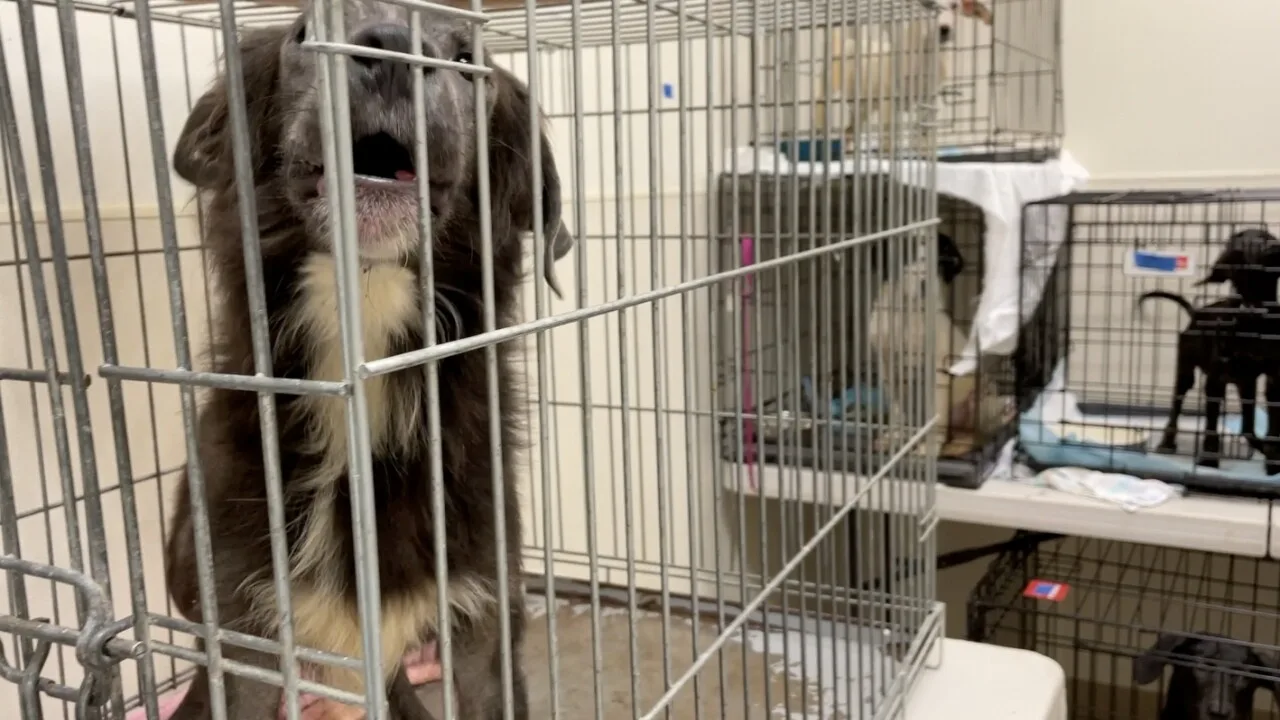
Animal hoarding cases are increasingly challenging rescuers across the United States.
In recent months, stations within the Scripps News Group have reported several rescues involving dozens of animals, many of them found living in overcrowded and unhealthy conditions.
In South Florida, investigators uncovered a hoarding case involving collies. In Cleveland and western Michigan, rescuers removed large numbers of neglected dogs from overcrowded homes and breeding operations. In Tampa, two dozen abandoned rabbits were rescued after being found dumped in the wild.
Experts say many animal hoarding cases begin with good intentions. People may start by trying to rescue or care for animals, but the situation can quickly grow beyond what they are able to manage.
Animal law specialists and mental health experts say hoarding is often connected to deeper psychological issues.
According to the Animal Legal Defense Fund, most animal hoarding cases involve cats. Many hoarders do not see themselves as abusers. Instead, they often believe they are protecting or saving animals.
However, even well-intentioned efforts can become harmful when the number of animals exceeds a person’s ability to provide proper food, shelter, sanitation and veterinary care.
As conditions deteriorate, animals may be forced to live in overcrowded and unsafe environments, while local shelters, rescue groups and municipalities face the difficult task of removing, treating and rehoming large numbers of animals.
The result can become a damaging cycle—one that is difficult for both the animals and the communities involved to break.