

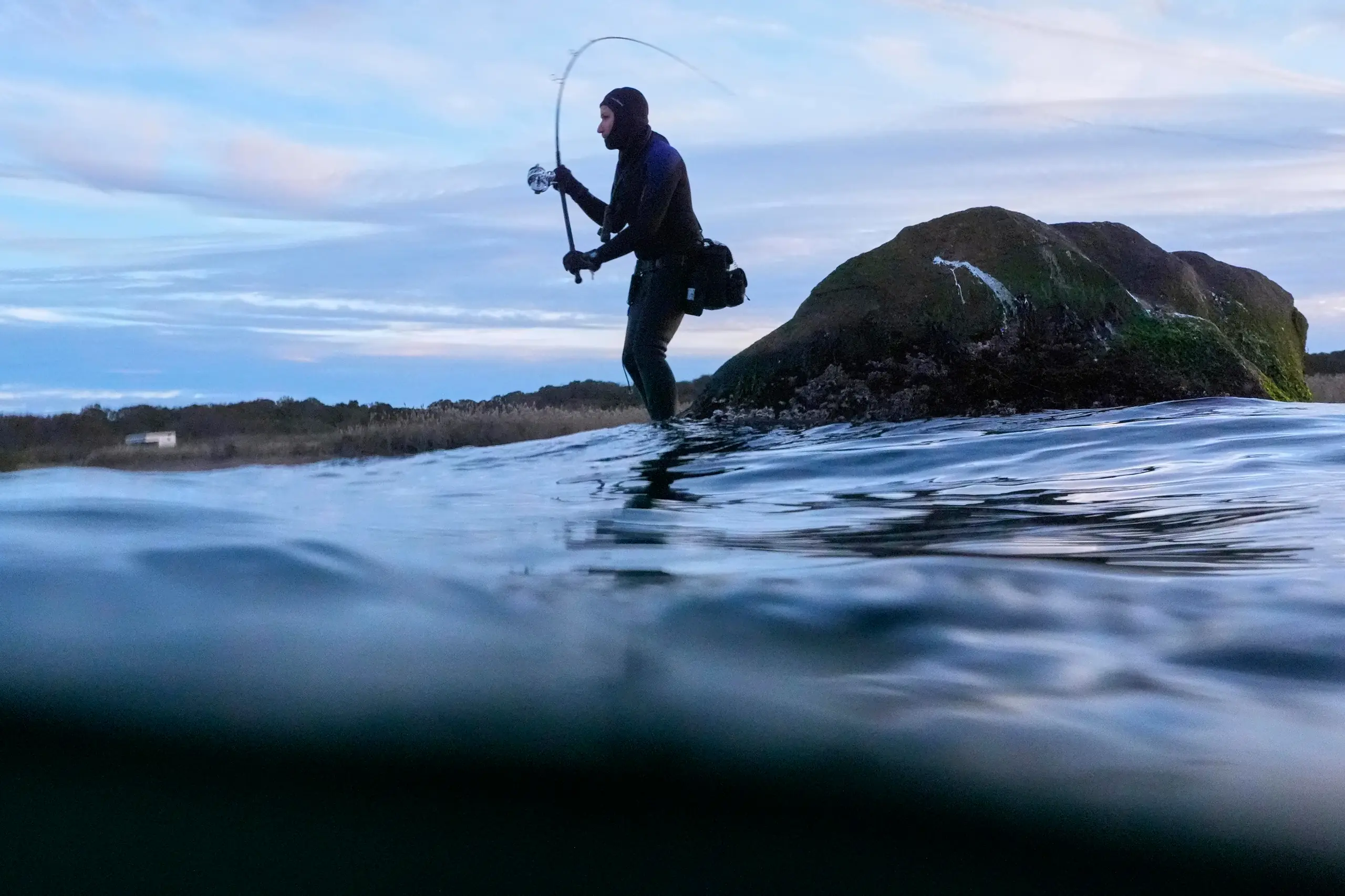
For generations, the shores of Montauk, New York, have been a paradise for striped bass fishermen. Anglers have traveled to the eastern tip of Long Island hoping to catch powerful fish beneath crashing Atlantic waves. But something troubling is happening along this legendary coastline: the striped bass are becoming increasingly difficult to find.
Experienced fishermen who once witnessed spectacular feeding frenzies now spend countless hours searching waters that were once filled with fish. For many, the disappearance of striped bass represents more than a disappointing fishing season. It threatens a way of life passed down through generations.
Scientists have warned that striped bass populations are declining because of a combination of environmental, ecological, and human-related pressures. The situation raises serious concerns for an industry worth billions of dollars and for the coastal communities that have long depended on recreational fishing.
A Legendary Fishing Guide Sees Troubling Changes
Few people know Montauk’s waters as intimately as fishing guide Bill Wetzel.
For more than 25 years, Wetzel has guided anglers along Long Island’s rugged coastline, searching for striped bass under the cover of darkness.
His modified four-wheel-drive truck allows him to navigate rocky beaches and deep sand while studying the changing conditions of the Atlantic Ocean.
He pays close attention to tides, wind direction, moon phases, currents, and the movement of baitfish. Every detail can help him locate striped bass, which can grow to more than 50 pounds.
Yet even with decades of experience, finding fish has become increasingly challenging.
Wetzel remembers a time when enormous schools of striped bass gathered near the shoreline, creating dramatic feeding frenzies known as blitzes.
“I haven’t seen a blitz in four years,” he said.
Even more concerning is what he believes to be a shortage of younger fish. While some large striped bass remain, Wetzel worries that too few young fish are surviving to replenish the population.
For someone who has built his life around fishing, the changes are impossible to ignore.
Wetzel also remembers the striped bass population collapse that prompted a fishing shutdown in the mid-1980s. He fears history could repeat itself if the species fails to recover.
Despite spending his career helping people catch fish, Wetzel strongly supports conservation efforts. His goal is to protect striped bass so future generations can experience the excitement of fishing Montauk’s waters.
Fishermen Are Going to Extraordinary Lengths to Find Striped Bass
As striped bass become harder to locate, some anglers continue searching in increasingly challenging conditions.
Jason Markowitz, an experienced fisherman and former president of the Montauk Surfcasters Association, is known for swimming through chilly Atlantic waters to reach offshore rocks.
Wearing a wetsuit, he makes his way through powerful waves to fishing locations that have traditionally offered excellent opportunities to catch striped bass.
The effort can be physically demanding, and the unpredictable ocean conditions add another layer of difficulty.
Yet Markowitz says the journey is worthwhile when the fish are present.
Unfortunately, those successful outings appear to be becoming less frequent.
His experience reflects a growing concern among Montauk’s dedicated fishing community: familiar locations that once produced reliable catches are no longer delivering the same results.
After 55 Years of Fishing, One Angler Fears the Worst
For striped bass fishing expert John Skinner, the changes are particularly painful.
Now 65, Skinner has been fishing Long Island’s waters since childhood. Over more than five decades, he has developed an extraordinary understanding of striped bass behavior and the coastal environments they inhabit.
He has written about the sport, created educational fishing