

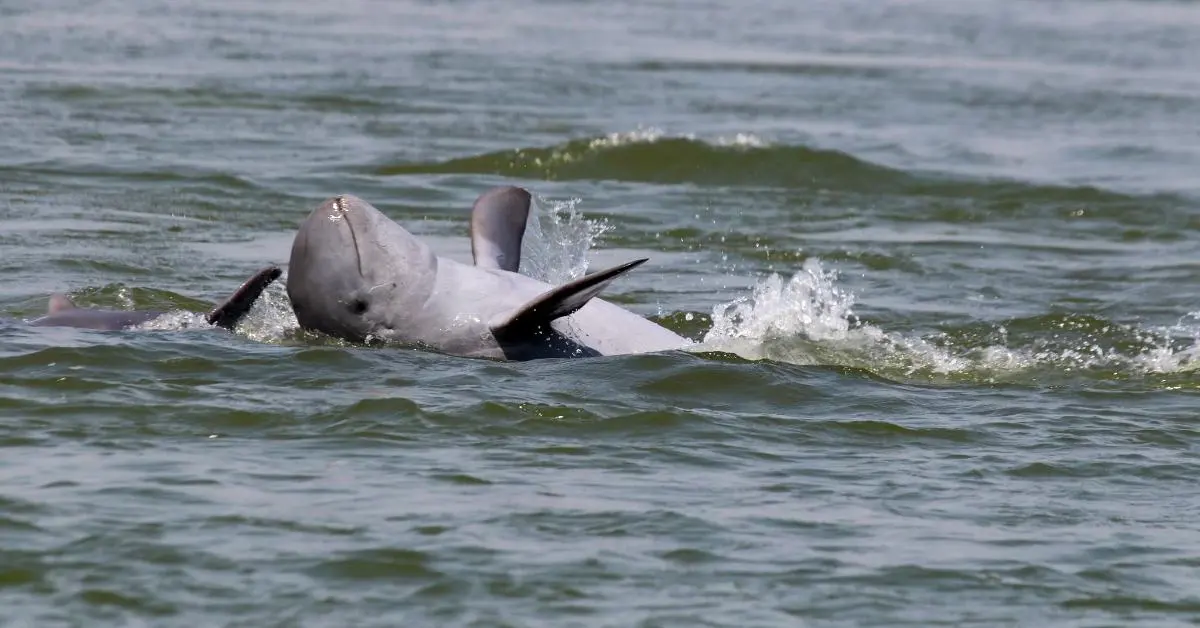
Along a quiet stretch of Cambodia’s Mekong River, a familiar sight is becoming increasingly precious. Small groups of rare dolphins occasionally rise above the water, offering brief glimpses of animals that have lived in these rivers for generations.
But behind these peaceful encounters lies a troubling reality.
The Mekong’s Irrawaddy dolphins have suffered a dramatic population decline over recent decades, leaving conservationists worried about their future.
Once found across much larger sections of the river system, these remarkable animals now survive in only a few remaining habitats.
Yet a recent discovery has brought fresh optimism.
In 2026, conservationists confirmed the birth of six Irrawaddy dolphin calves in Cambodia, helping bring the estimated population to 118.
For a species facing serious threats, the arrival of these newborns represents an encouraging sign that recovery may still be possible.
A Rare Encounter on Cambodia’s Mekong River
Every morning, Heang Koeurn guides his boat across the waters near Kampi, a well-known dolphin-watching destination in Cambodia’s Kratie province.
For 11 years, he has helped visitors experience one of the region’s most extraordinary wildlife encounters.
As his boat slows near a deep section of the river, he carefully watches the surface.
Sometimes, only a gentle movement in the water reveals that something is approaching.
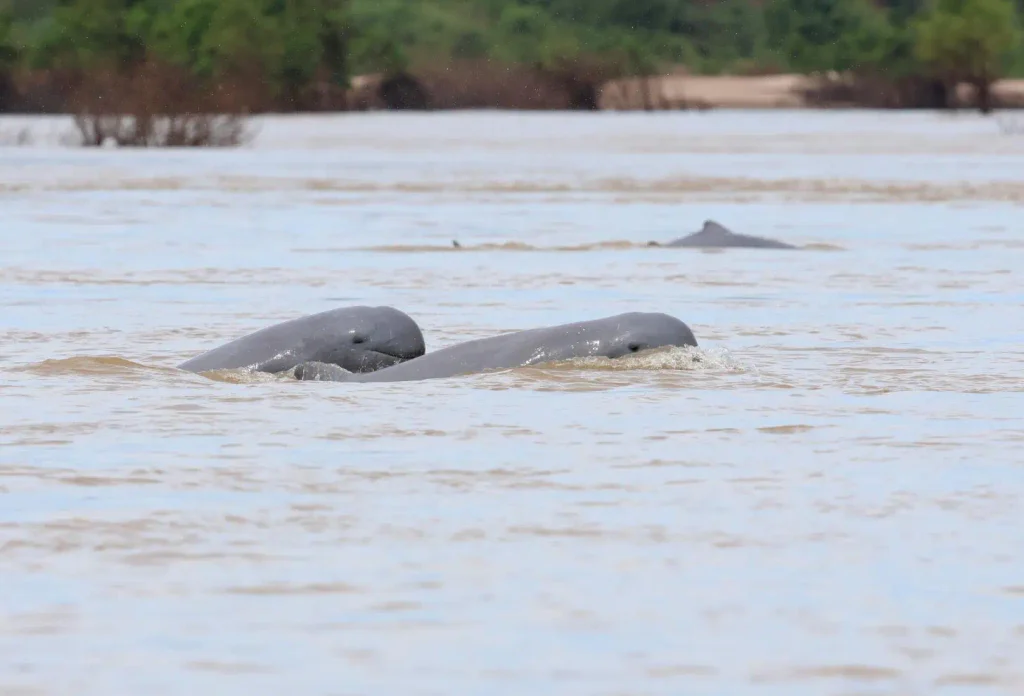
Then, a rounded gray back briefly emerges before slipping beneath the surface again.
It’s an Irrawaddy dolphin.
These unusual freshwater mammals are recognized by their rounded heads, short beaks, and distinctive appearance.
Unlike many ocean-dwelling dolphins, Irrawaddy dolphins often inhabit rivers and coastal environments, making Cambodia’s remaining population particularly special.
For local communities, spotting them is much more than a memorable wildlife experience.
The dolphins are closely connected to the region’s culture, economy, and relationship with nature.
Families depend on tourism generated by dolphin-watching excursions, while many residents regard the animals as important symbols of their natural heritage.
But the future of these beloved river inhabitants has become increasingly uncertain.
A Once-Thriving Dolphin Population Faces a Serious Decline
During the late 1990s, scientists estimated that approximately 200 Irrawaddy dolphins remained in Cambodia’s portion of the Mekong River.
Over the following decades, that number fell dramatically.
Today, the surviving dolphins are concentrated in a limited number of deep-water habitats, including the Kampi pool.
This section of the river, which reaches depths of approximately 60 meters, provides an important refuge for the animals.
Unfortunately, even these areas are not completely safe.
One of the greatest dangers comes from fishing equipment.
Gillnets, which are designed to catch fish, can become deadly traps for dolphins.
When a dolphin becomes entangled, it may be unable to reach the surface to breathe.
Young calves are especially vulnerable because they can become caught in nets themselves or lose their mothers to fishing-related accidents.
Illegal electrofishing presents another serious problem.
Although the practice is prohibited in Cambodia, conservation teams continue encountering unlawful fishing activities in important dolphin habitats.
These threats have contributed to years of population losses.
And without continued intervention, conservationists fear the remaining dolphins could face an even more difficult future.
The Mekong River Is Changing Around Them
Fishing isn’t the only threat affecting these rare animals.
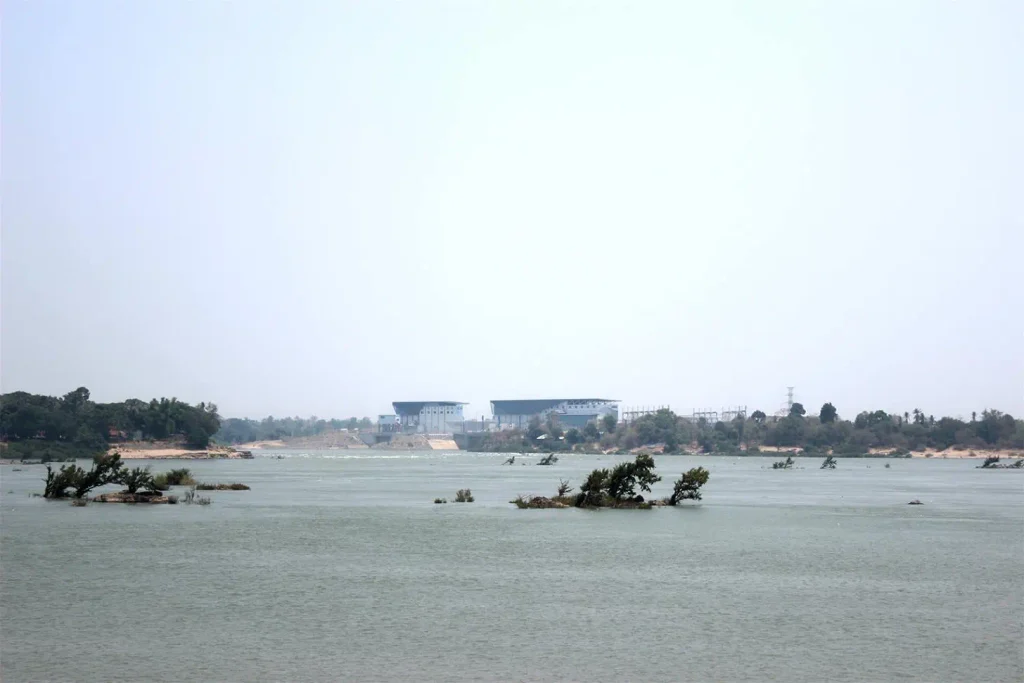
The Mekong River has undergone major environmental changes as dams, agricultural development, and other human activities reshape its natural ecosystems.
More than 160 dams operate along the Mekong and its tributaries, affecting water flow and the habitats that countless aquatic species depend on.
While dams are not known to directly kill the river’s Irrawaddy dolphins, researchers warn that they can indirectly threaten their survival.
Changes in water movement can disturb seasonally flooded forests, alter fish migration patterns, and affect the availability of food.
For dolphins that depend on a healthy river ecosystem, these environmental changes can create additional challenges.
Habitat degradation also makes it harder for small populations to recover.
The dolphins need suitable feeding areas, protected deep-water pools, and safe routes through the river.
When those conditions deteriorate, their chances of survival may decline.
For conservationists, protecting the animals therefore means protecting much more than the dolphins themselves.
It means maintaining the health of an entire river ecosystem.
One Village Already Knows What Happens When the Last Dolphin Disappears
The consequences of losing Irrawaddy dolphins are painfully familiar to communities near the Cambodia-Laos border.
At the Anlong Chheu Teal dolphin pool, local residents once regularly welcomed tourists hoping to see these unusual freshwater mammals.
The animals were an important attraction, helping support boat operators and other tourism-related businesses.
In 2007, eight dolphins were recorded in this stretch of the river.
By 2018, only three remained.
The decline continued until February 2022, when the area’s last surviving dolphin died after becoming entangled in illegal fishing gear.
The male dolphin had become known locally as the lonely dolphin.
His death marked the disappearance of Irrawaddy dolphins from that section of the Mekong.
For the surrounding communities, the loss was both emotional and economic.
Visitors who had previously traveled to the area specifically to see dolphins began arriving in smaller numbers.
Local tourism operators described a significant decline in business.
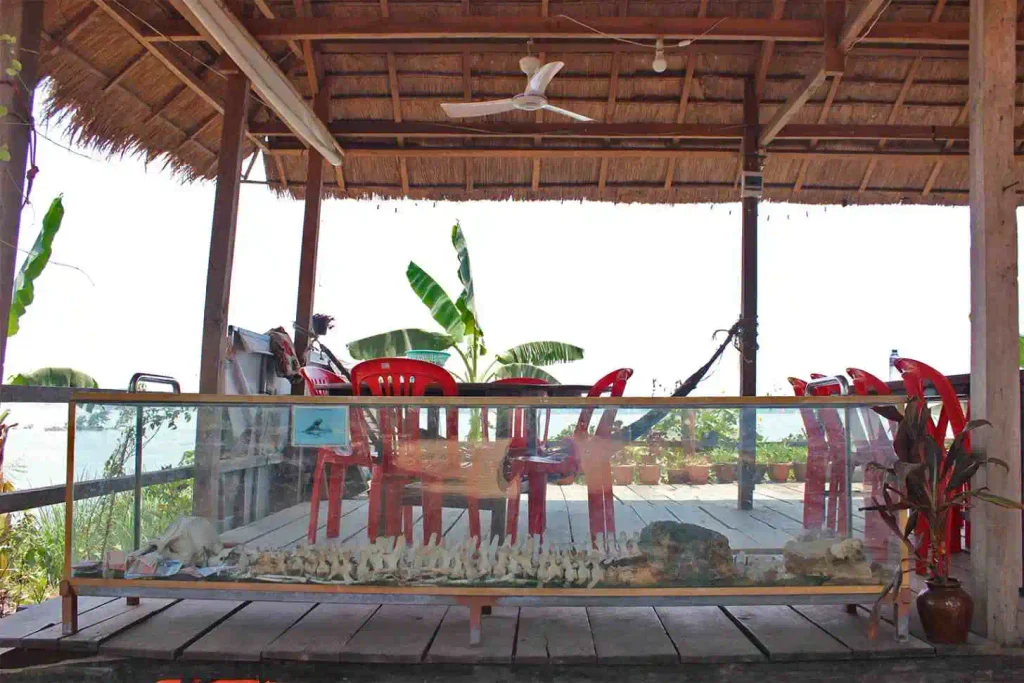
Today, the bones of the last dolphin are displayed in the community hall, preserving a reminder of the animals that once inhabited those waters.
The display also serves as a warning.
Without effective protection, other surviving dolphin populations could face a similar fate.
Dedicated River Guards Work to Protect the Remaining Dolphins
Across Cambodia’s remaining Irrawaddy dolphin habitats, conservation teams are working to prevent further losses.
River guards patrol protected areas, looking for illegal fishing equipment and activities that could endanger the dolphins.
Their work includes removing prohibited nets, monitoring important habitats, and helping enforce conservation regulations.
A protected stretch of approximately 180 kilometers runs through parts of Kratie and Stung Treng provinces.
Within designated core habitat zones, gillnets are prohibited.
However, enforcing these restrictions is not always easy.
Illegal fishers can change their activities to avoid patrols, while conservation workers often face limited equipment and resources.
Some patrol officers must use their own boats and cover personal expenses while carrying out demanding work.
Others face the possibility of confrontations with people engaged in illegal fishing.
Despite these difficulties, many continue because they understand how important the dolphins are to their communities.
Their efforts are supported by government agencies, conservation organizations, and local residents who want to preserve the species.
Protecting these animals requires cooperation, especially because the dolphins move through a complex river system that supports thousands of fishing households.
Six Newborn Dolphins Offer a Welcome Sign of Hope
After years of troubling population declines, conservationists received encouraging news in 2026.
By late June, researchers had confirmed six Irrawaddy dolphin calves born along Cambodia’s Mekong River.
Five births were recorded in Kratie province, while another was documented in Stung Treng.
The new arrivals helped raise the estimated population to 118 individuals.
For such a small population, every calf matters.
The births demonstrate that the remaining dolphins are continuing to reproduce despite the challenges facing their habitat.
They also offer encouragement to the people who have spent years working to protect the animals.
However, the positive news doesn’t mean the species is out of danger.
Newborn dolphins remain vulnerable, and their long-term survival depends on avoiding fishing gear, maintaining access to food, and living in a healthy river environment.
Conservationists emphasize that stronger protections are still necessary.
The arrival of six calves is a reason for hope, but lasting recovery will require continued work.
Saving the Dolphins Also Means Protecting Local Communities
For people living along the Mekong River, Irrawaddy dolphin conservation has implications far beyond wildlife protection.
The animals attract visitors, support local businesses, and provide a sense of identity for communities that have shared the river with them for generations.
In Cambodia and Laos, some communities also regard the dolphins as sacred creatures connected to ancestral traditions.
Their disappearance would therefore represent more than the loss of a rare animal.
It would affect cultural heritage, tourism income, and the natural environment that local families depend on.
Recognizing these connections, conservation organizations have developed programs that combine wildlife protection with support for community livelihoods.
Some initiatives help fishing households reduce their dependence on wild fish while encouraging participation in conservation activities.
The goal is to create a future where people and dolphins can continue sharing the river without placing one another at risk.
A Better Future Is Still Possible for the Mekong’s Dolphins
Back at Kampi, the daily routine of searching the river for dolphins continues.
Boats drift quietly across the water while visitors watch for the unmistakable appearance of a rounded gray head or dorsal fin.
Every sighting is a reminder that these extraordinary animals are still present.
But it is also a reminder of how much has already been lost.
The disappearance of the last dolphin at Anlong Chheu Teal demonstrates how quickly a small population can vanish when threats become overwhelming.
At the same time, the arrival of six calves in 2026 shows that the remaining dolphins have not stopped reproducing.
With effective habitat protection, stronger enforcement against illegal fishing, and continued cooperation among communities and conservation organizations, their future may become more secure.
No one can guarantee that the population will recover to its former size.
But every surviving adult, every protected habitat, and every newborn calf represents another opportunity.
For the people who have spent years protecting these remarkable animals, that opportunity is worth fighting for.
Sometimes, hope arrives quietly — not with a dramatic announcement, but with the gentle appearance of a newborn dolphin breaking the surface of a river that still has a chance to recover.