

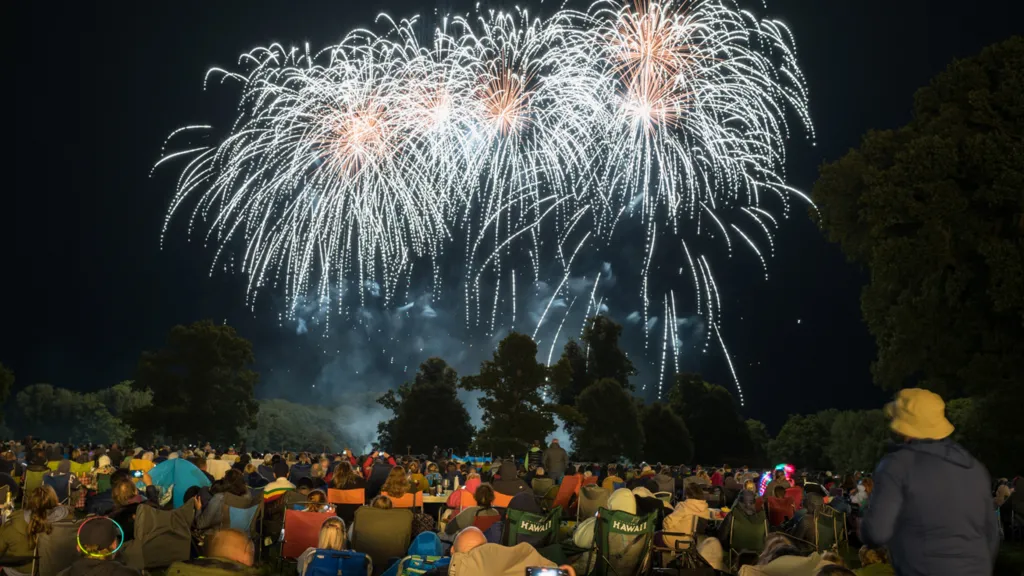
Fireworks light up autumn skies across Britain, but their loud explosions continue to divide communities. While many families enjoy traditional displays, others worry about frightened pets, disturbed sleep and unexpected bangs.
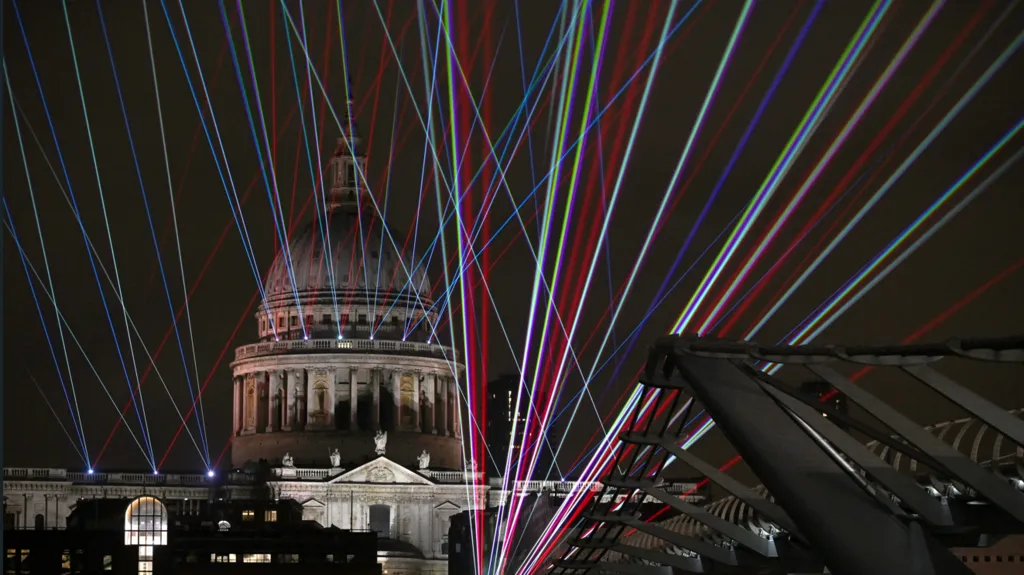
Now, campaigners want stricter noise limits and more alternatives to traditional fireworks. Some communities have already introduced laser shows and quieter displays.
However, fireworks supporters argue that noise remains an essential part of the celebration.
The UK government has recently completed a consultation on reducing the noise limits for fireworks sold to the public.
Campaigners Call for Quieter Fireworks
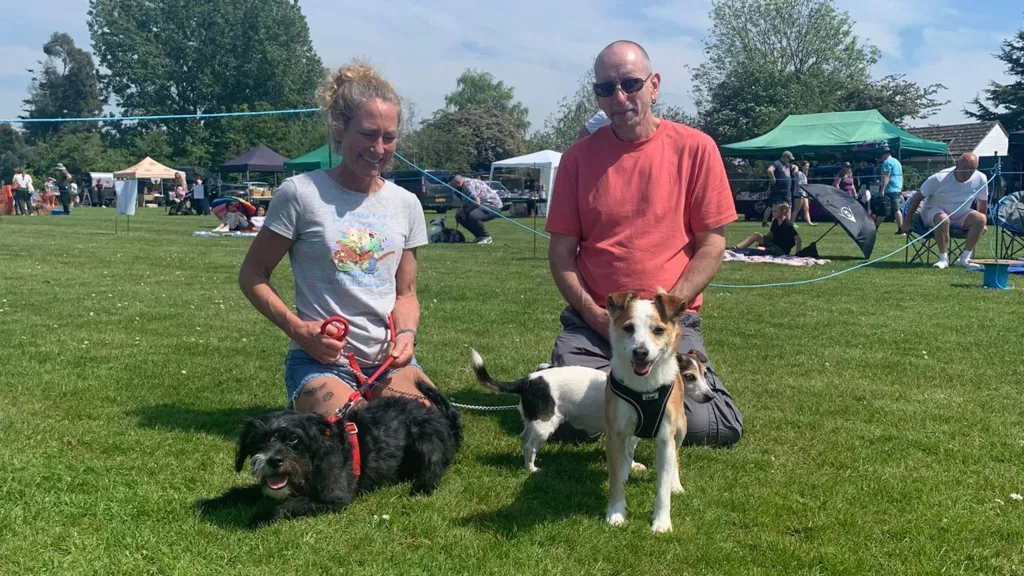
Katherine Alderson, a spokesperson for the Firework Campaign, understands the impact of loud explosions.
Her dog Ted developed a severe fear of fireworks. As a result, she now takes extra steps to protect him during the fireworks season.
Alderson says the noise can continue from October until January. She has even installed homemade insulation around her bedroom window.
“We’ll literally camp down in my bedroom until the firework season is over,” she said.
The Firework Campaign wants tighter controls on loud fireworks. It also supports organised public displays and quieter alternatives.
Alderson would personally prefer a ban on public fireworks sales. However, she recognises the need for realistic changes.
She knows pet owners who have bought caravans or visited motorway service stations to escape the noise.
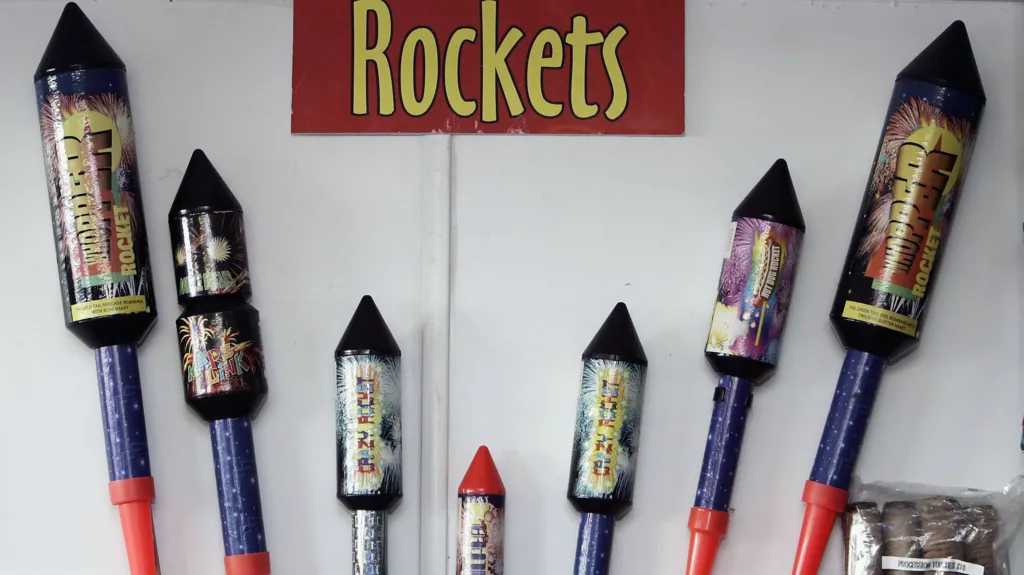
Consumer fireworks can currently reach 120 decibels.
Alderson believes modern fireworks have become much louder than those she remembers from childhood.
She recalled neighbourhood celebrations that felt more relaxed and enjoyable.
“We probably had the neighbours round and it was an enjoyable experience,” she said.
She believes communities can preserve Bonfire Night traditions without extremely loud explosions.
Public Support for Fireworks Noise Restrictions
Government polling revealed strong support for changing fireworks regulations.
Among respondents, 91% supported regulatory changes.
People who disliked fireworks noise raised several concerns:
- 91% cited the impact on animals.
- 71% worried about disruption to community peace.
- 68% highlighted the effects on vulnerable people.
Two parliamentary petitions also attracted significant attention.
One called for a maximum fireworks noise level of 90 decibels. The other sought restrictions on sales outside council-approved events.
Each petition received more than 180,000 signatures. MPs debated both petitions in January.
Fireworks Industry Defends Traditional Displays
Despite growing concerns, many people still value traditional fireworks celebrations.
Britain has celebrated Bonfire Night since the failed Gunpowder Plot of 1605.
Andy Hubble, director of Star Fireworks in Bracknell, believes new regulations should reflect clear evidence.
According to Hubble, around 20 million people enjoy fireworks each year. He also says the industry supports 4,000 full-time seasonal jobs.
Hubble argues that existing laws already prohibit many forms of antisocial fireworks use.
Instead of introducing stricter rules, he wants authorities to improve enforcement.
“Responsible consumers and legitimate businesses should not be penalised for the actions of a very small minority who are acting illegally,” he said.
He also warned about potential financial consequences for schools and community organisations.
Many schools and scout groups organise fireworks displays to raise money. One school he worked with collected £14,000 through its Bonfire Night event.
Hubble believes tighter restrictions could make these fundraising events more difficult.
He also says some communities prefer traditional displays over quieter alternatives.
However, he encourages fireworks users to notify neighbours before setting them off. This would give pet owners and vulnerable residents time to prepare.
Laser Shows Offer a Quieter Alternative
Some communities have already started exploring alternatives to traditional fireworks.
In Boldre, near Lymington, William Gilpin Primary School plans to host its first laser show on 23 October.
The village stopped organising fireworks displays around the Covid pandemic. Rising insurance costs also contributed to the decision.
Rebecca White, chair of the school’s parent-teacher association, said traditional fireworks were never seriously considered for the new event.
Nearby fields contain horses, making loud explosions a particular concern.
“The lasers, they’re definitely still really exciting,” White said.
She explained that the event would still feature music and excitement. However, it would avoid the sudden explosions that often frighten animals and sensitive visitors.
Some families have already expressed interest because they dislike fireworks noise.
Other communities have also introduced quieter celebrations.
Oxford Round Table added a low-noise family show before its traditional fireworks display last year.
Ringwood in Hampshire has offered a separate low-noise display, while Weymouth introduced quieter fireworks nights during the summer.
These events aim to give families more choices without completely removing traditional fireworks.
However, Alderson acknowledges that laser shows might not satisfy everyone.
Some spectators particularly enjoy the sound of fireworks and may resist quieter alternatives.
Government Considers Lower Fireworks Noise Limits
The Office for Product Safety and Standards closed its fireworks consultation on 7 October.
The government proposed reducing the maximum noise level for consumer fireworks from 120 to 110 decibels.
According to the government, this change would roughly halve their perceived loudness.
Officials also requested feedback on stricter limits of 100 or 90 decibels.
Under the proposals, professional operators could still use louder fireworks during organised displays.
The government also wants to clarify restrictions on fireworks containing multiple shot tubes.
However, ministers have indicated that a complete ban on consumer fireworks sales would go too far.
The government will review consultation responses before announcing its next steps. Parliament would need to approve any regulatory changes.
What Does the Future Hold for Fireworks?
The debate highlights a growing challenge for communities across Britain.
Many people want to preserve the excitement and tradition of Bonfire Night. Others want stronger protection for animals, vulnerable residents and neighbourhoods.
Laser shows and low-noise fireworks could offer a compromise. However, traditional displays still attract strong support.
Alderson welcomes the government’s willingness to consider changes, although she remains cautious.
“It’s good that they are listening,” she said.
She also warned that campaigners have no guarantee of success.
For now, the future of fireworks remains uncertain. What is clear is that more communities are questioning whether spectacular celebrations really need explosive noise.