
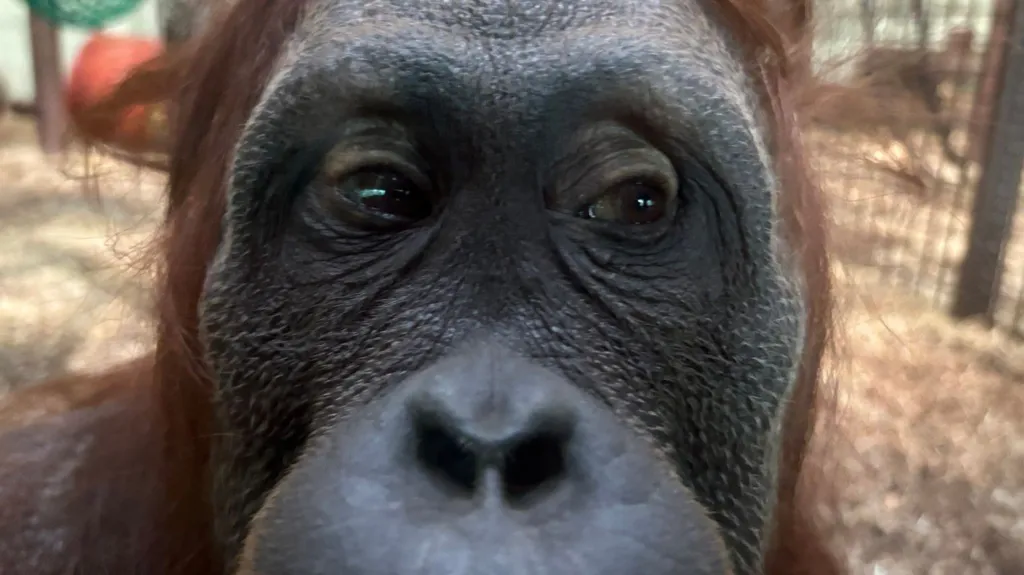
Jersey Zoo is remembering Nettie, a beloved Sumatran orangutan who died aged 43 after spending 15 years at the wildlife conservation centre. Known for her curious personality, love of watching people and gentle parenting, Nettie became a favourite among visitors and zookeepers.
Her death on September 21, 2026, brought sadness to the zoo’s staff and the many people who had come to know her.
Nettie was more than a popular zoo resident. She also contributed to an international breeding programme focused on protecting critically endangered Sumatran orangutans.
1. Who Was Nettie the Orangutan?
Nettie, whose full name was Anette, was born at Tierpark Berlin in Germany in 1983.
During her lifetime, she lived at several European zoos, including Duisburg Zoo in Germany.
In 2011, she moved to Jersey Zoo as part of a European breeding programme designed to support orangutan conservation.
Over the following 15 years, she became one of the zoo’s most recognisable and popular animals.
Her friendly personality and unusual interest in human activities made her particularly memorable.
Key Facts About Nettie
| Category | Information |
|---|---|
| Name | Anette (Nettie) |
| Species | Sumatran orangutan |
| Birth year | 1983 |
| Birthplace | Tierpark Berlin, Germany |
| Previous home | Duisburg Zoo |
| Arrival at Jersey Zoo | 2011 |
| Partner | Dagu |
| Offspring | Jantho, born in 2013 |
| Date of death | September 21, 2026 |
| Age at death | 43 years |
2. An Orangutan Who Loved Watching People
One of Nettie’s most memorable characteristics was her fascination with people.
While visitors enjoyed watching the orangutans, Nettie appeared equally interested in observing the humans around her.
According to Mark Habben, director of zoo operations, she regularly watched visitors, keepers and maintenance workers.
Whenever someone entered her enclosure, Nettie would carefully observe their activities.
Her curiosity made her a familiar presence for staff members and visitors.
She also helped many zookeepers develop valuable experience working with great apes.
Over the years, her distinctive personality and interactions with people made her an important member of the Jersey Zoo family.
3. Nettie’s Special Relationship With Her Baby
Nettie was also remembered for her gentle and caring approach to motherhood.
In 2013, she gave birth to a baby orangutan named Jantho with her partner, Dagu.
Although Nettie had been partially hand-reared when she was young, she successfully cared for her own baby.
Zookeepers described her as an affectionate and relaxed mother who sometimes allowed her youngster considerable freedom.
Her successful breeding was also important to the zoo’s conservation programme.
Sumatran orangutans are critically endangered, making carefully managed breeding programmes an important part of their protection.
Jantho’s birth represented a significant moment in Nettie’s life and her contribution to the zoo.
4. Why Did Nettie the Orangutan Die?
Nettie died on September 21, 2026, after experiencing age-related health problems.
In her later years, she received specialist veterinary care to manage several medical conditions, including suspected osteoarthritis and long-standing dental problems.
Her care included regular medication, supplements and ongoing monitoring.
However, her general health and quality of life declined significantly during her final weeks.
Following careful veterinary assessments, the zoo made the difficult decision to euthanise her to prevent further suffering.
The decision was made with Nettie’s welfare as the main priority.
Her death was particularly emotional for the keepers and veterinary professionals who had cared for her over many years.
5. How Did the Other Orangutans React?
Following Nettie’s death, staff observed changes in the behaviour of the other orangutans in her social group.
According to Mark Habben, Jantho and the other apes showed signs that staff interpreted as mourning.
The animals were given an opportunity to see Nettie after her death.
Habben explained that the visible grieving process appeared to be shorter than the grieving process typically observed in humans.
Following this period, the orangutans gradually returned to their normal daily activities.
The zoo temporarily closed its orangutan house to give both the animals and staff time to adjust.
The building later reopened to visitors.
6. A Lasting Legacy at Jersey Zoo
Nettie’s death prompted emotional tributes from visitors, former keepers, veterinary professionals and current zoo staff.
Many shared memories of her curious personality and the special connections they had developed with her.
She was especially important to the keepers who gained experience caring for great apes while working with her.
Her ability to attract public interest also helped raise awareness of Sumatran orangutans and the conservation challenges they face.
Although Nettie is no longer at the zoo, her son Jantho remains part of her legacy.
7. Why Is Sumatran Orangutan Conservation Important?
Sumatran orangutans are among the world’s most threatened great apes.
Native to the Indonesian island of Sumatra, these animals depend on tropical rainforests for food, shelter and reproduction.
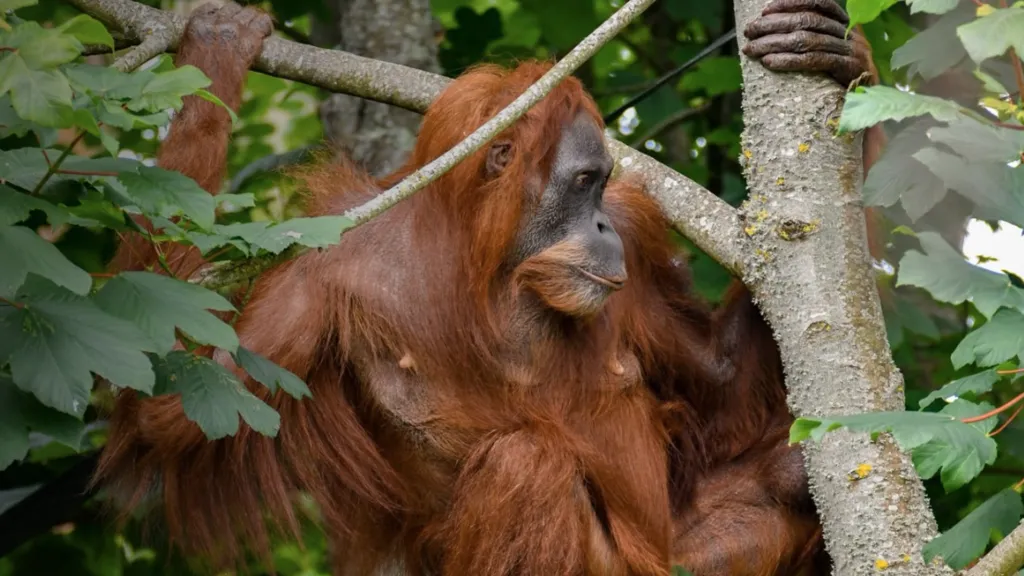
They play an important ecological role by dispersing seeds and helping maintain healthy forest ecosystems.
However, their survival is threatened by habitat destruction, agricultural expansion and other human activities.
The species is classified as critically endangered.
Major Threats to Sumatran Orangutans
| Threat | Environmental impact |
|---|---|
| Deforestation | Destroys natural rainforest habitats |
| Agricultural expansion | Reduces available habitat |
| Habitat fragmentation | Separates orangutan populations |
| Illegal wildlife trade | Threatens wild orangutans |
| Human-wildlife conflict | Creates additional risks for isolated populations |
Conservation organisations work to protect natural habitats, support wildlife research and maintain carefully managed breeding programmes.
Jersey Zoo, operated by the Durrell Wildlife Conservation Trust, contributes to these efforts through animal care, education and international conservation partnerships.
Nettie’s life and successful breeding highlight the role that zoos can play in protecting threatened species.
8. Frequently Asked Questions
How old was Nettie when she died?
Nettie was 43 years old when she died on September 21, 2026.
Where was Nettie born?
She was born at Tierpark Berlin in Germany in 1983. She later lived at Duisburg Zoo before moving to Jersey Zoo in 2011.
Did Nettie have a baby?
Yes. Nettie gave birth to a male orangutan named Jantho in 2013 with her partner, Dagu.
Why was Nettie popular at Jersey Zoo?
Nettie was known for her curious personality, her love of watching people and her gentle approach to motherhood.
Are Sumatran orangutans endangered?
Yes. Sumatran orangutans are classified as critically endangered. Their main threats include deforestation, habitat fragmentation and other human activities.
Conclusion
Nettie the orangutan will be remembered as one of Jersey Zoo’s most beloved residents.
Her curious personality, gentle nature and fascination with people made her a favourite among visitors and staff during her 15 years at the zoo.
Beyond her personal story, Nettie contributed to an important breeding programme for critically endangered Sumatran orangutans.
Her life highlights the importance of wildlife conservation and the meaningful connections that can develop between animals and the people who care for them.