

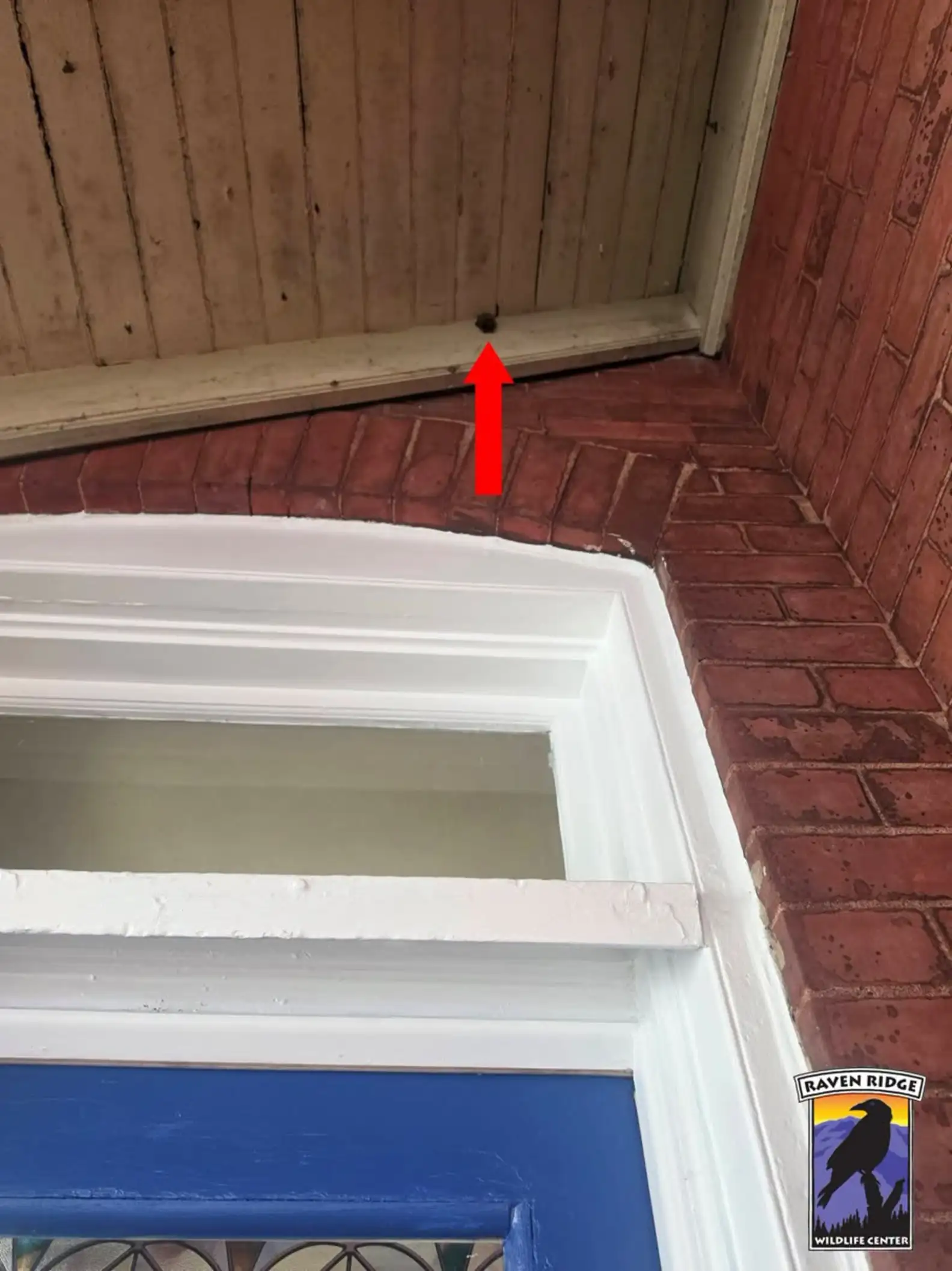
A routine wildlife rescue quickly became something much more important
When rescuers from Raven Ridge Wildlife Center received a call about a bat clinging to the side of a house in Lancaster, Pennsylvania, they expected a fairly routine rescue.
Their plan was simple: safely remove the bat, bring her back to their facility and care for her until she was healthy enough to return to the wild.
But once they got a closer look, they realized this little bat was anything but ordinary.
Two Days Exposed to the Elements
The young bat had been hanging roughly 12 feet above the ground on a porch for two full days.
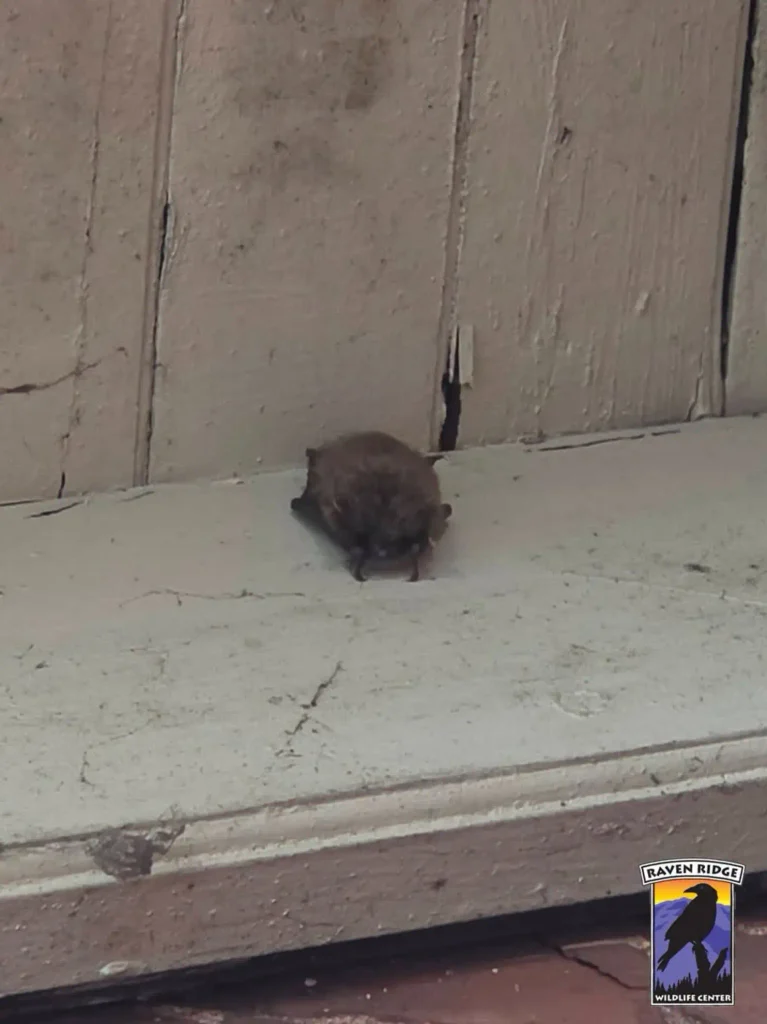
Remaining exposed in the same location for so long immediately concerned the rescuers. Raven Ridge explained that a bat staying in one place outdoors for that length of time should be treated as an emergency.
The team gathered the equipment needed to reach her and carefully removed the tiny animal from the house.
Once she was safely on the ground, they could see just how badly she needed help.
She Was Severely Dehydrated and Underweight
A quick examination showed that the juvenile bat was extremely weak.
According to Raven Ridge, she was severely dehydrated and weighed only about 6 grams — far less than rescuers would expect for a healthy bat at that time of year.
The team had cared for similarly small bats before, but something about this one caught their attention.
Her face looked different from those of the bats they typically treated.
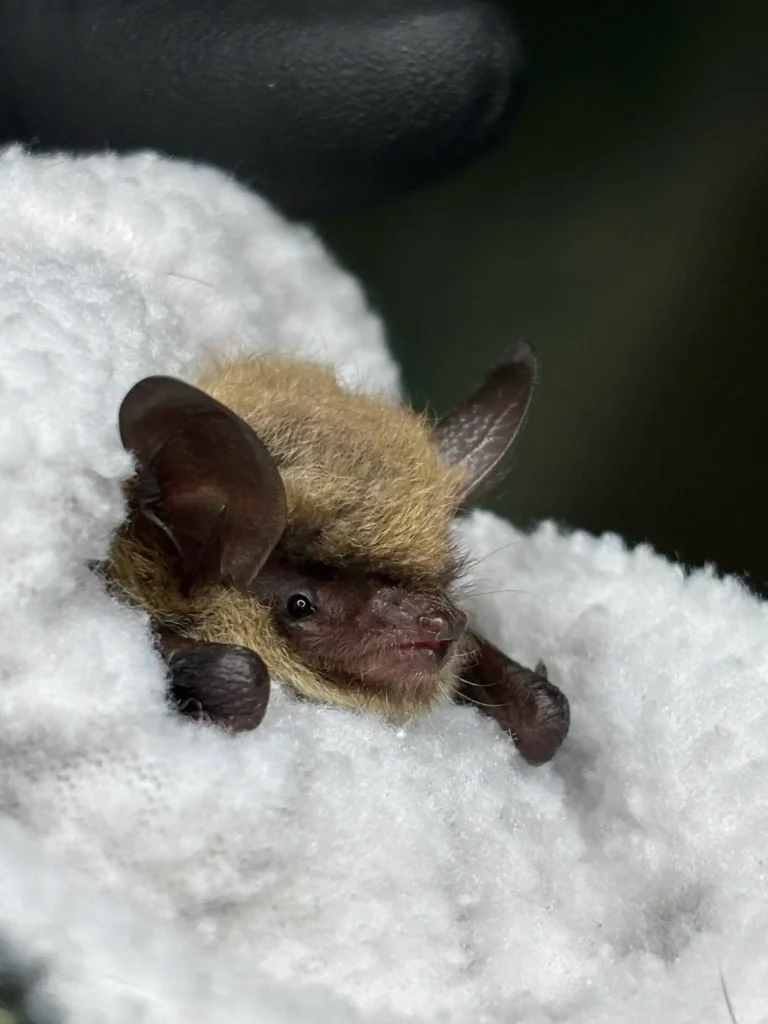
That observation would completely change the course of her rescue.
Rescuers Discover She Belongs to an Endangered Species
Raven Ridge sent photographs of the bat to experts for identification.
The response confirmed their suspicions: she was a northern long-eared bat.
The discovery was significant because northern long-eared bats have experienced devastating population declines across North America, largely because of white-nose syndrome, a deadly fungal disease affecting hibernating bats.
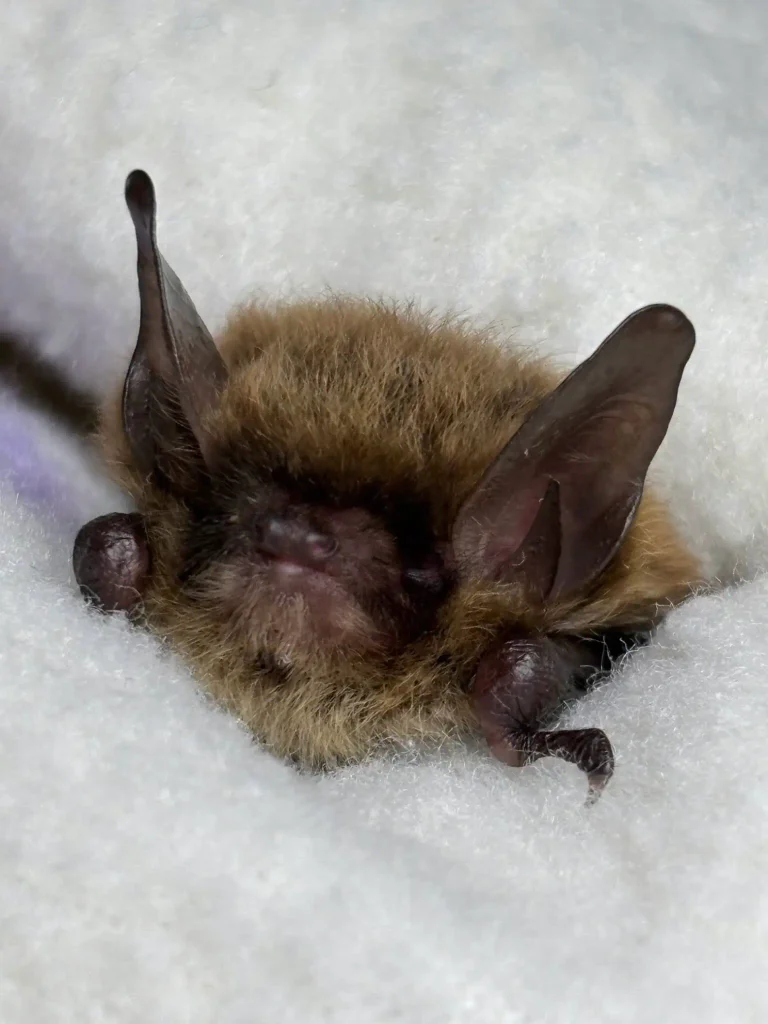
In March 2023, the U.S. Fish and Wildlife Service reclassified the northern long-eared bat from threatened to endangered under the Endangered Species Act.
Suddenly, the rescuers understood that saving this tiny patient carried even greater importance.
She Needed Specialized Care
Although Raven Ridge regularly rehabilitates injured and sick wildlife, the team decided the bat would have the best chance of survival with specialists experienced in caring for endangered bats.
They first stabilized her at their facility.
Then they drove her about an hour away to Pennsylvania Bat Conservation and Rehabilitation, an organization specializing in bat research, conservation and rehabilitation.
Raven Ridge explained that placing the young bat with others of her species and giving her specialized treatment could greatly improve her chances of recovery.
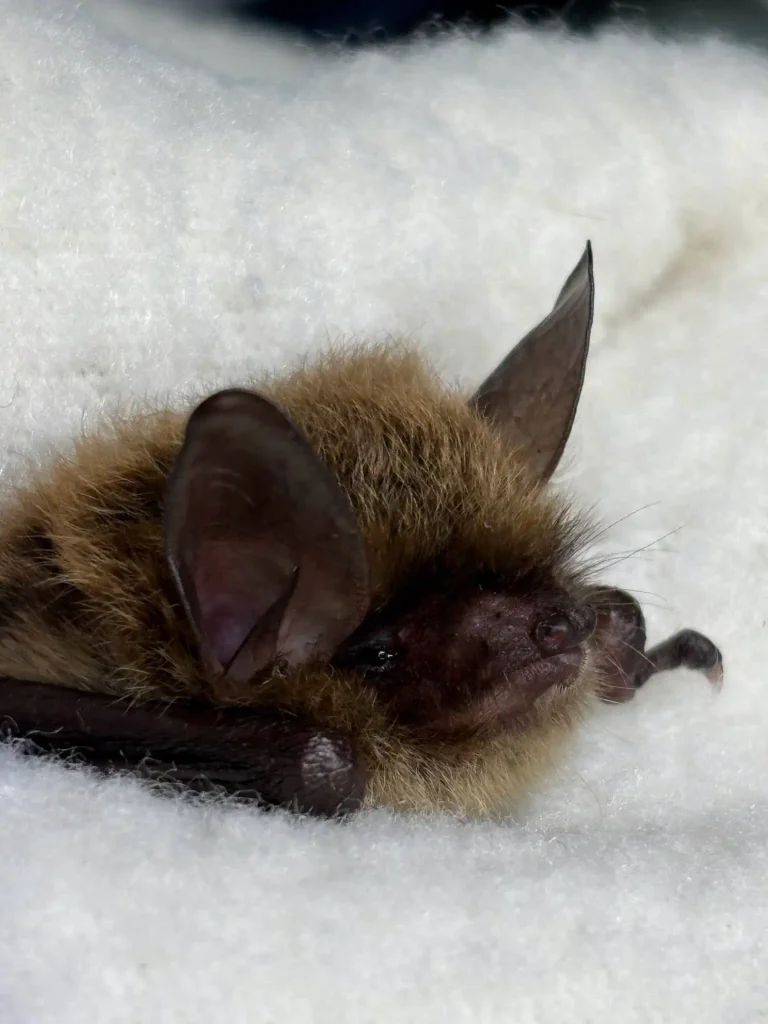
For an animal belonging to a species that has suffered such dramatic declines, every successful rehabilitation matters.
Working Together to Give Her the Best Chance
Wildlife rehabilitation often involves cooperation between different rescue organizations, and Raven Ridge said its priority is always finding the best possible care for each animal.
Al