
A recent case involving a three-year-old girl in Victoria has highlighted the risks of serious bacterial infections linked with animal contact.
The child developed haemolytic uraemic syndrome (HUS), a rare but potentially life-threatening condition.
HUS can sometimes develop after infection with certain strains of E. coli.
Although serious cases are uncommon, the incident is an important reminder that good hygiene matters when children visit farms, petting zoos and animal exhibits.
What Is Haemolytic Uraemic Syndrome?
Haemolytic uraemic syndrome is a serious condition that can affect the blood vessels and kidneys.
It is often linked to infection with types of E. coli that produce Shiga toxin.
The infection usually begins with digestive symptoms.
These may include:
- Stomach cramps
- Nausea
- Vomiting
- Diarrhoea
- Bloody diarrhoea
In some people, the illness can become much more serious.
Warning Signs Parents Should Know
Medical attention is important if a child becomes seriously unwell after an animal visit.
Warning signs can include:
- Bloody diarrhoea
- Very little or no urination
- Unusual tiredness
- Pale skin
- Unexplained bruising
- Red or purple spots on the skin
HUS can cause kidney problems and other serious complications.
Severe cases may require hospital treatment, including dialysis or blood transfusions.
Young children can be particularly vulnerable.
How Can the Infection Spread?
Certain harmful bacteria can spread through contaminated food or water.
They can also spread from animals to humans.
Farm animals may carry bacteria without appearing sick.
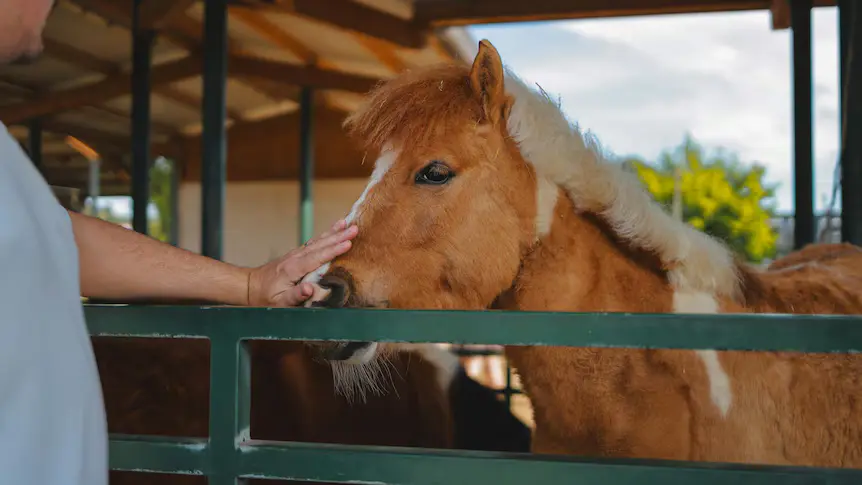
People can be exposed after touching an animal or something in its environment.
It Is Not Just Animal Fur
Bacteria can be present in many areas around animal enclosures.
These may include:
- Fur and wool
- Manure
- Bedding
- Soil
- Animal feed
- Fences
- Enclosure floors
The greatest risk comes when contaminated hands reach the mouth.
Why Young Children Need Extra Supervision
Toddlers naturally touch things and then put their hands near their mouths.
They may also handle:
- Food
- Toys
- Drink bottles
- Dummies or pacifiers
This makes close supervision especially important around animals.
Children may also need help washing their hands properly.
Which Animals Can Carry Harmful Bacteria?
Cattle, sheep and goats can carry certain strains of E. coli.
Animal contact can also expose people to other germs that may cause stomach illness.
These can include:
- Salmonella
- Campylobacter
- Cryptosporidium
An animal does not need to look sick to carry harmful microorganisms.
Are Petting Zoos Safe for Children?
Petting zoos can still be enjoyable and educational family experiences.
Children can learn about animals, farming and animal care.
The key is choosing a well-managed venue and following good hygiene practices.
Look for Proper Handwashing Facilities
A good petting zoo should make handwashing easy.
Look for facilities immediately outside animal-contact areas.
They should ideally provide:
- Running water
- Soap
- Disposable towels
- Clear handwashing signs
Food and eating areas should also be separated from animal enclosures.
Wash Hands After Touching Animals
Children should wash their hands thoroughly after leaving an animal area.
Soap and running water should be used for at least 20 seconds.
Hands should always be cleaned before children:
- Eat or drink
- Touch their face
- Handle a dummy or pacifier
- Put toys in their mouth
Hand sanitiser can be useful when needed, but proper handwashing with soap and water is the better option after animal contact.
Simple Precautions Make a Difference
Serious illness linked to petting zoos is uncommon.
However, animals and their surroundings can carry bacteria that are invisible to visitors.
Close supervision and proper handwashing can significantly reduce the risk.
Petting zoos can remain a fun family experience — just make hygiene part of the visit.