

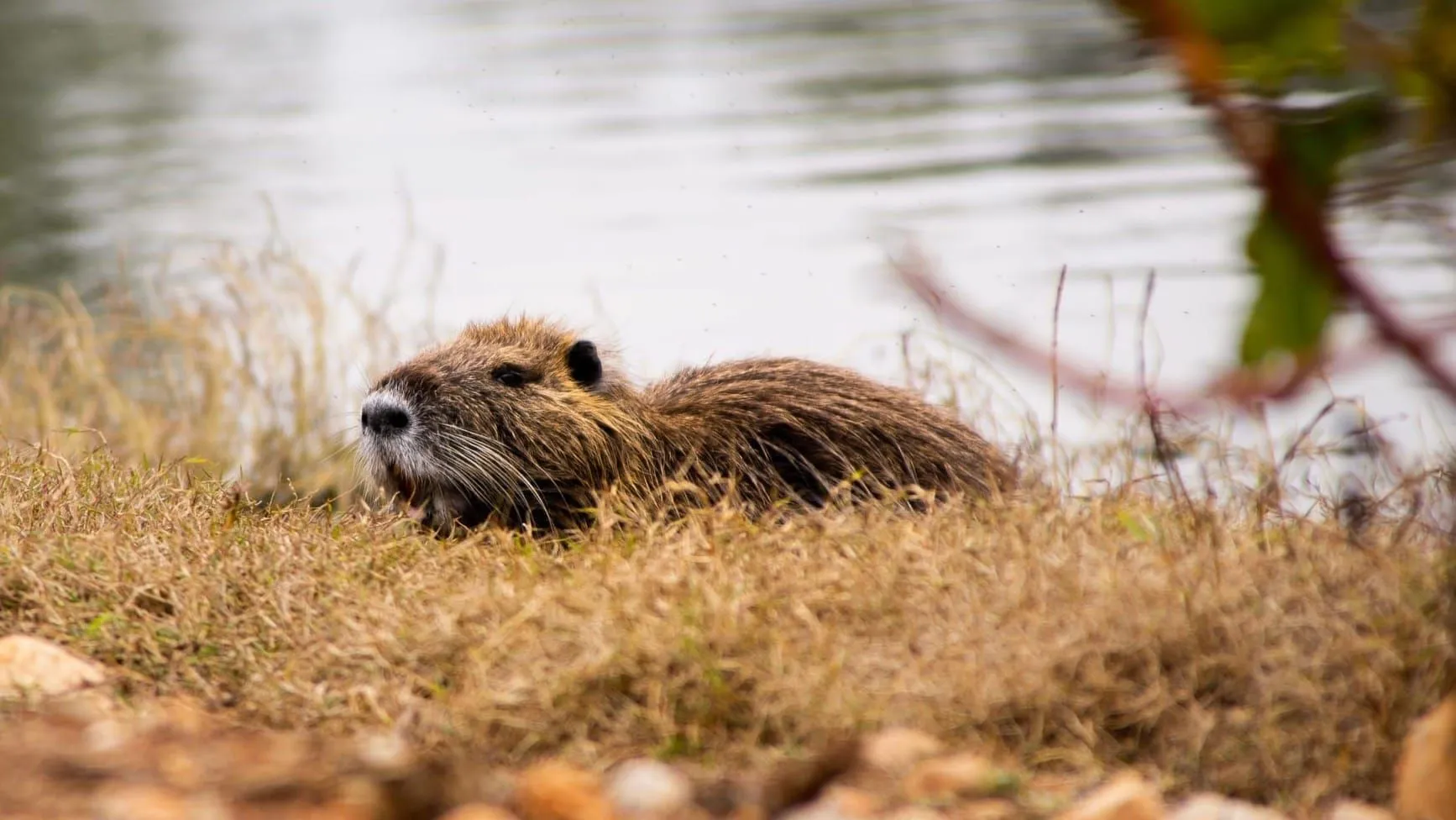
A remarkable wildlife milestone has been recorded in Staffordshire, England, where a wild beaver kit has been born for the first time in more than 400 years.
The birth marks the first confirmed successful breeding of wild beavers in the county since the species disappeared from Britain centuries ago.
A Surprise Return
Earlier this year, the Staffordshire Wildlife Trust began monitoring a small group of wild beavers after discovering unmistakable signs of their activity.
The animals are believed to have originated from unauthorized releases carried out by unknown individuals involved in unofficial rewilding efforts. Although conservationists generally prefer carefully planned and licensed reintroductions, the discovery revealed that Staffordshire still contains suitable habitat for beavers.
Soon afterward, researchers noticed evidence suggesting one of the females was nursing young. To avoid disturbing the family or drawing attention to the vulnerable newborn, they kept the news confidential while the kit remained safely inside its lodge.
A Healthy Young Beaver
Using remote trail cameras, the Trust has now captured footage of the young beaver emerging above ground.
So far, conservationists have only observed one kit, although additional young may exist.
Nick Mott, Species Recovery Manager at Staffordshire Wildlife Trust, said:
“This is amazing news! Although the circumstances in which the beavers arrived here are less than ideal, it shows that we do have suitable habitat for them to thrive and breed here again. I’m thrilled!”
He explained that young beavers face many dangers during their first weeks of life, including predators such as mink and otters.
Regarding the youngster’s condition, Mott added:
“Thankfully this kit looks healthy and it’s feeding without either of its parents present, which is another good sign.”
Ongoing Monitoring
The Trust will continue observing the beaver family to ensure the young animal develops normally while also monitoring other beavers living in Staffordshire for signs of additional breeding.
Researchers are uncertain whether:
this is the only surviving kit,
there were originally several offspring,
or siblings may have been lost to predators.
Nature’s Engineers
Beavers are often called “nature’s engineers” because of the profound impact they have on landscapes.
By building dams and digging canals, they:
create wetlands,
slow the flow of water,
reduce flood risk,
improve water retention during droughts,
trap sediment,
and create habitat for countless other plants and animals.
These ecosystem changes often benefit birds, amphibians, fish, insects, and mammals alike.
Future Beaver Conservation
The discovery comes just as Staffordshire Wildlife Trust prepares a new conservation project at Craddocks Moss Nature Reserve near Madeley.
Construction is underway on a fenced beaver enclosure, where a pair of beavers is expected to be introduced in autumn 2026. Their natural engineering activities are expected to help restore the reserve’s lowland bog habitat.
The Trust is also planning a much larger, carefully managed reintroduction program.
Following the UK government’s decision in 2025 to allow licensed wild beaver releases, Staffordshire Wildlife Trust intends to apply to Natural England for a 10-year project that could eventually introduce up to 50 beavers into suitable habitats across the county.
A Historic Milestone
Although this beaver family’s arrival was unexpected, conservationists view the birth as encouraging evidence that Staffordshire’s rivers and wetlands are once again capable of supporting these remarkable mammals.
For a species absent from the county for more than four centuries, the appearance of a healthy wild kit represents not only a conservation success but also a hopeful glimpse of how native wildlife can return when suitable habitats remain.