

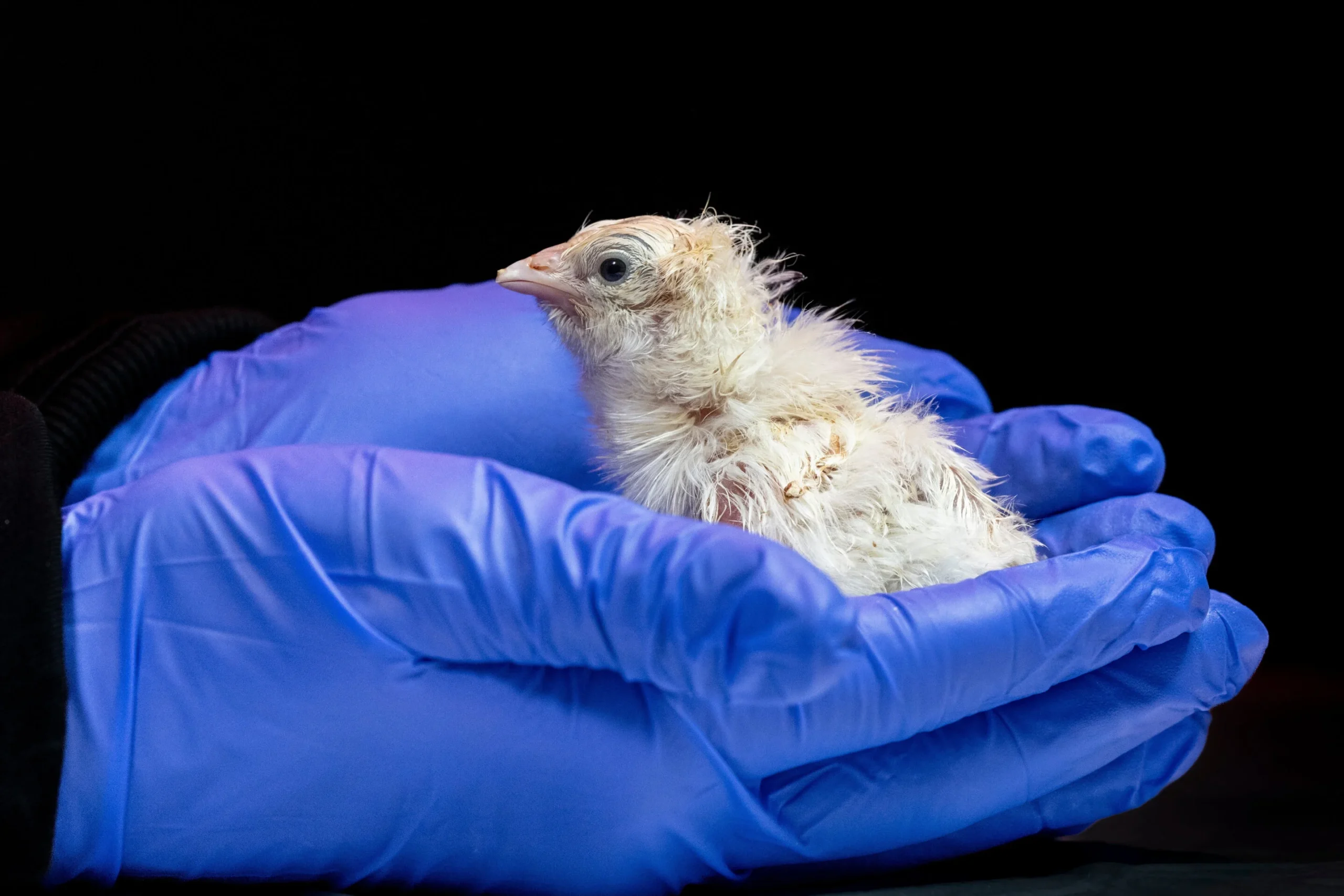
A biotechnology company working on de-extinction projects has announced that it successfully hatched live chicks using an artificial egg-like system — a development that has drawn both interest and skepticism from scientists.
Colossal Biosciences said 26 baby chickens, ranging from newly hatched chicks to birds several months old, were born from a 3D-printed lattice structure designed to imitate parts of an eggshell.
The company, known for its ambitious plans to create animals resembling extinct species, has previously announced projects involving mice with mammoth-like traits and wolf pups engineered to resemble dire wolves.
According to Colossal CEO Ben Lamm, the artificial egg technology could eventually help with efforts to create birds similar to New Zealand’s extinct South Island giant moa. Moa eggs were enormous — around 80 times larger than chicken eggs — which would make them extremely difficult for any living bird to lay naturally.
Lamm said the goal was to build on something nature already does well and make it more scalable and efficient.
To hatch the chicks, Colossal scientists placed fertilized eggs into the artificial structure and kept them in an incubator. They also added calcium, which developing chicks normally absorb from the eggshell, and used imaging tools to watch the embryos grow in real time.
Some outside scientists found the technology impressive, but they cautioned that it should not be described as a complete artificial egg. They noted that the system works more like an artificial eggshell, because the researchers still used many of the biological materials already present in a fertilized egg.
An egg is more than just a shell. It also includes membranes and temporary structures that help nourish the embryo, stabilize development and remove waste. Critics said those parts were not fully recreated by the artificial system.
Other researchers pointed out that hatching chicks in artificial containers is not entirely new. Earlier experiments have used simpler transparent shells, plastic films or sacks to study chick development. Such systems can be valuable for observing embryos and learning more about animal development.
Still, using the technology for a moa-like bird would be far more complicated. Scientists would first need to compare ancient moa DNA from preserved bones with the genomes of living birds. They would also need to build a much larger artificial shell system.
Even if Colossal eventually creates a bird resembling a moa, some experts argue that it would not truly be a moa. Instead, it would be a genetically modified living bird with certain moa-like features.
There are also ethical and ecological questions. If an extinct-looking animal were created, scientists would have to decide where it could live and whether modern ecosystems could support it.
Some researchers believe similar reproductive technologies may be more useful for saving endangered species that still exist. Preserving sperm and egg cells from living animals could help rebuild threatened populations.
For now, Colossal’s artificial egg project represents a technical step forward, but many scientists remain cautious about its connection to true de-extinction. The achievement may help researchers study bird development and reproductive technology, but bringing back lost species remains a much larger and more uncertain challenge.