

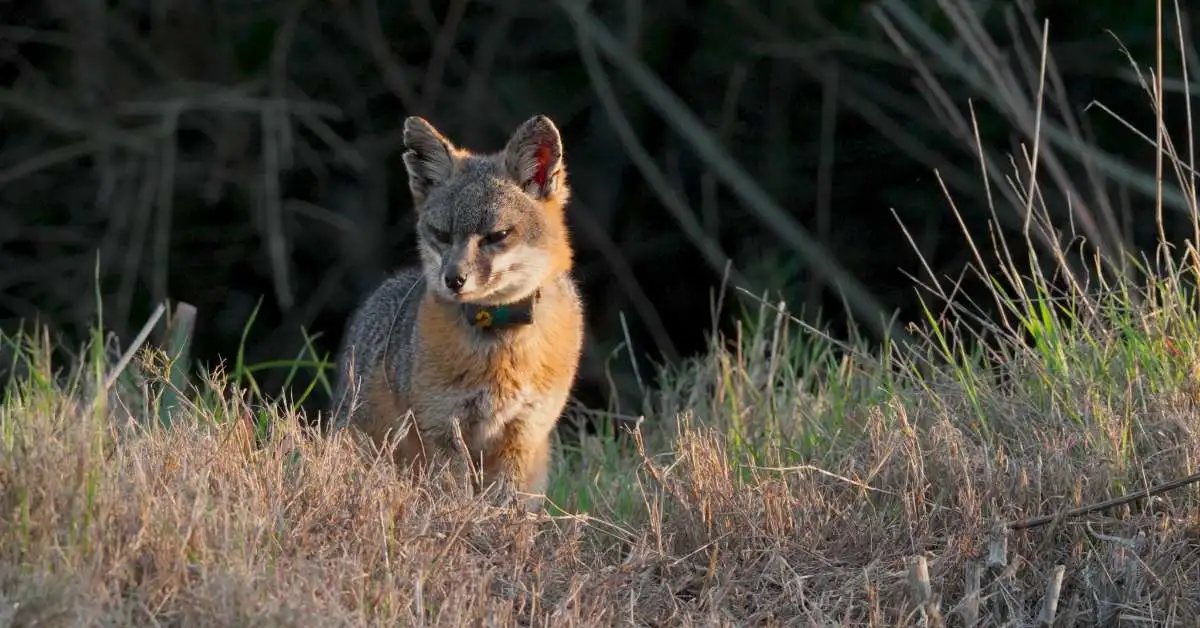
The Santa Catalina Island fox lives in only one place on Earth: Catalina Island, off the coast of Los Angeles. This tiny fox is found nowhere else, which makes its survival especially important.
But in 1999, the species came dangerously close to disappearing forever.
That year, a canine distemper virus spread across Catalina Island and devastated the fox population. In about 12 months, the number of foxes dropped by more than 90%, falling from roughly 1,300 animals to only about 100.
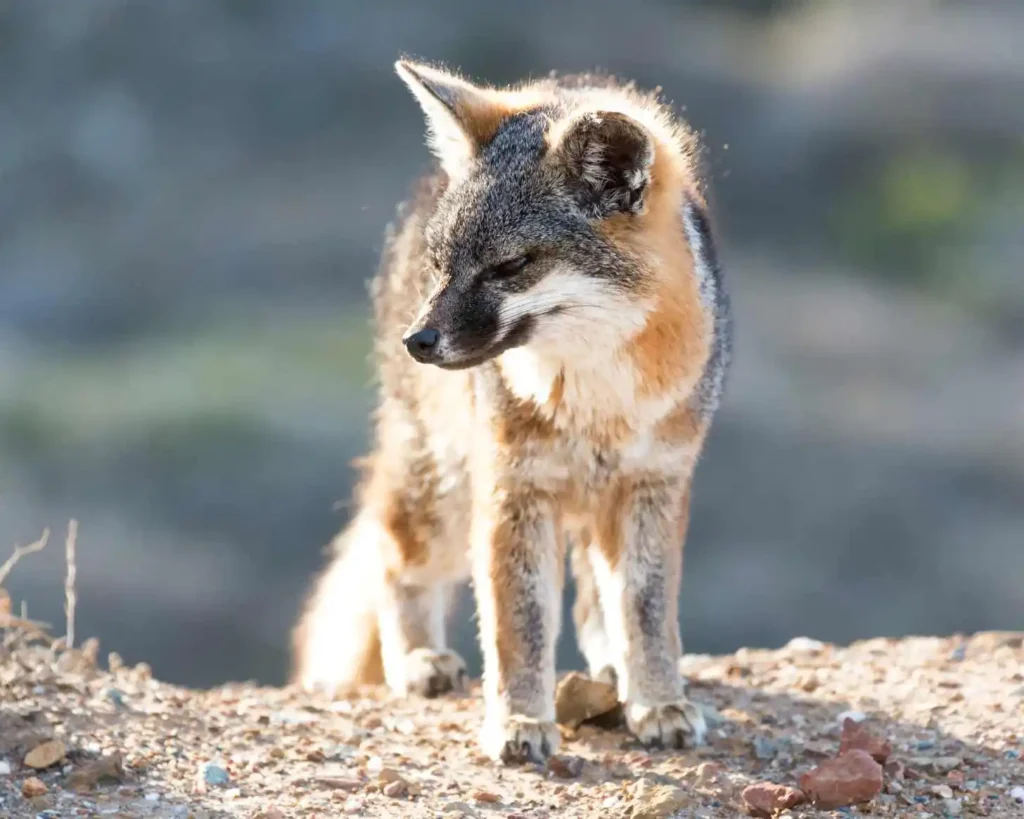
Experts believe the virus was likely brought to the island by a raccoon that arrived by boat. The outbreak showed just how vulnerable island species can be when diseases from the mainland reach them.
The Catalina Island fox may be small, usually weighing only 4 to 6 pounds, but it plays a big role in the island’s ecosystem. As Catalina’s largest native land predator, it helps control prey populations and spreads native seeds, supporting the health of the island’s natural environment.
Because the fox was so important, conservationists knew they had to act quickly. Teams from the Catalina Island Conservancy and the Institute for Wildlife Studies began working to save the species through captive breeding, vaccinations and careful population monitoring.
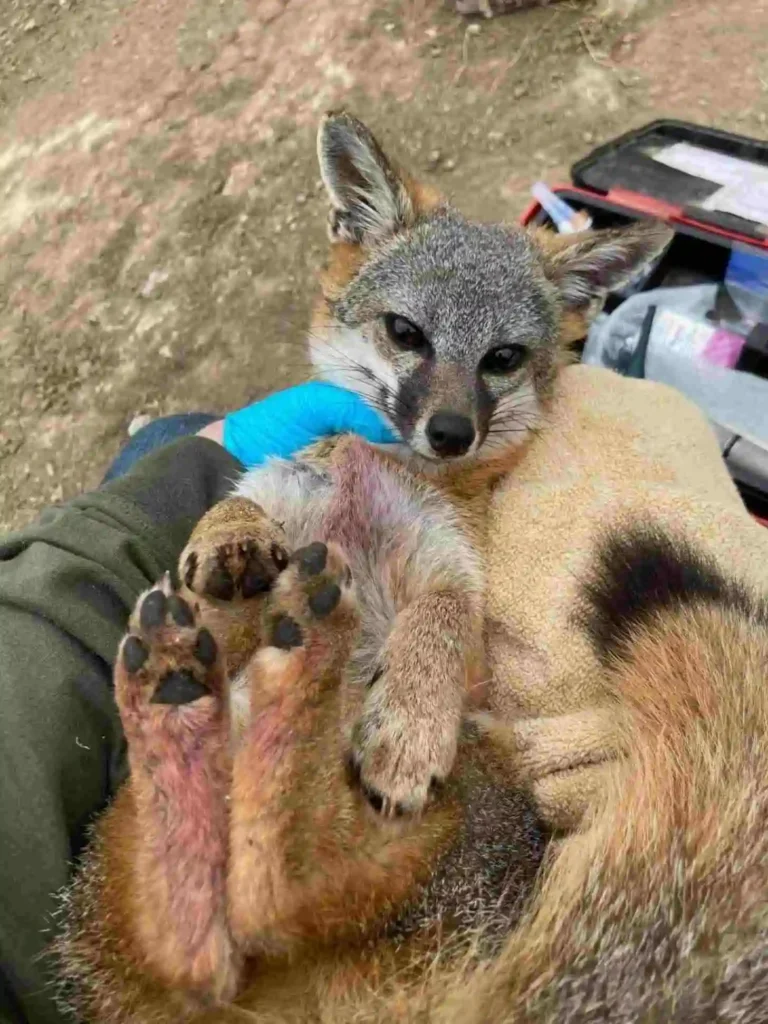
Their efforts paid off. By 2004, the fox population had tripled. By 2016, the Catalina Island fox had improved enough to be moved from endangered to threatened under the Endangered Species Act — one of the fastest mammal recoveries in the law’s history.
Even so, the fox is not completely out of danger. The species is still considered threatened because of risks such as disease, ear mites and vehicle strikes. Conservationists continue to monitor hundreds of foxes each year, perform health checks and vaccinate them against canine distemper and rabies.
Volunteers and experts also help track the foxes from the ground and the air, giving researchers a better understanding of how the population is doing.
The local community has played an important role, too. In 1999, Avalon residents were the first to alert conservation staff that foxes were getting sick. Their quick attention helped launch the rescue efforts that saved the species.
Today, the Catalina Island fox has become a symbol of the island’s wildlife and conservation work. An illustrated version of the fox even serves as the mascot for Catalina’s wildfire safety campaign.
For conservation leaders, the fox represents much more than one animal. Catalina Island is home to many plant and animal species found nowhere else, and the fox helps people connect with the importance of protecting the whole ecosystem.
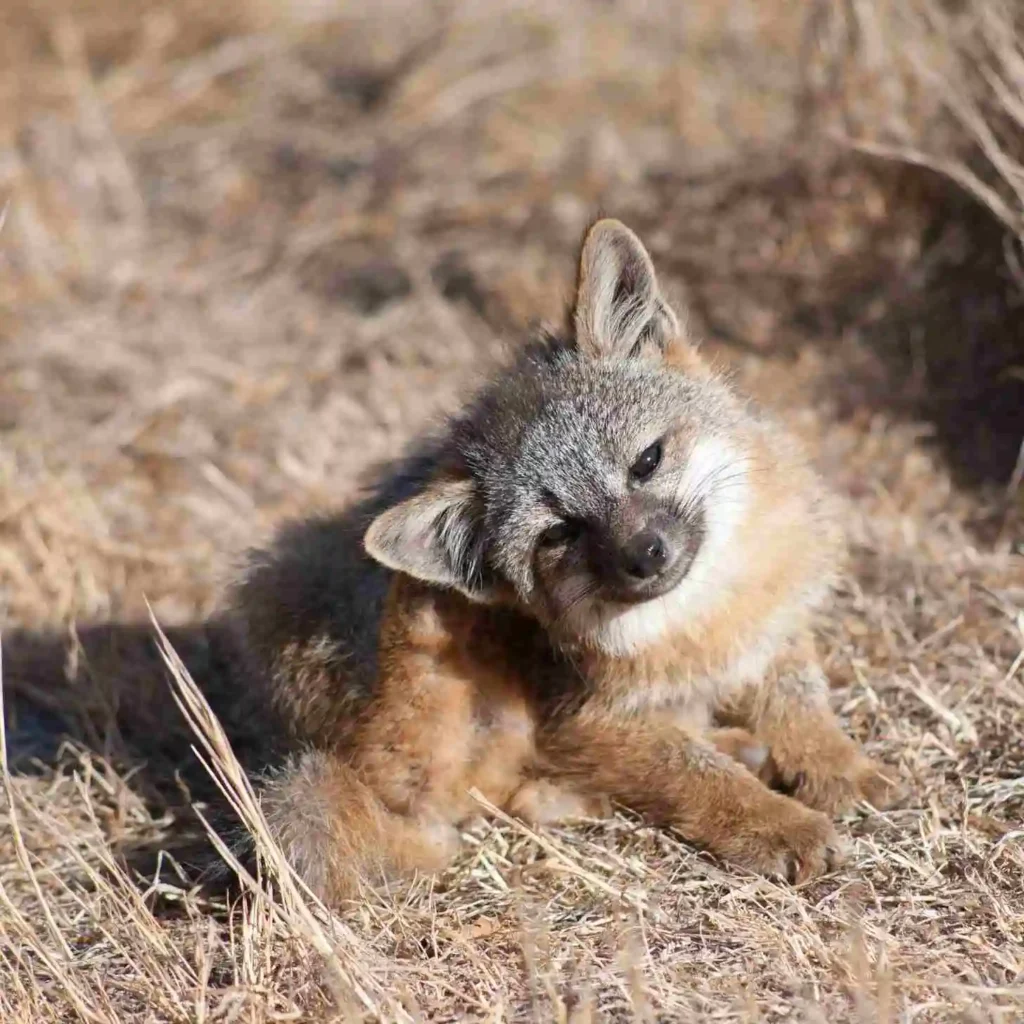
Its recovery shows what can happen when people commit time, money and care to saving a species. The Catalina Island fox is still here not because of luck, but because conservationists, scientists, volunteers and community members refused to let it disappear.