

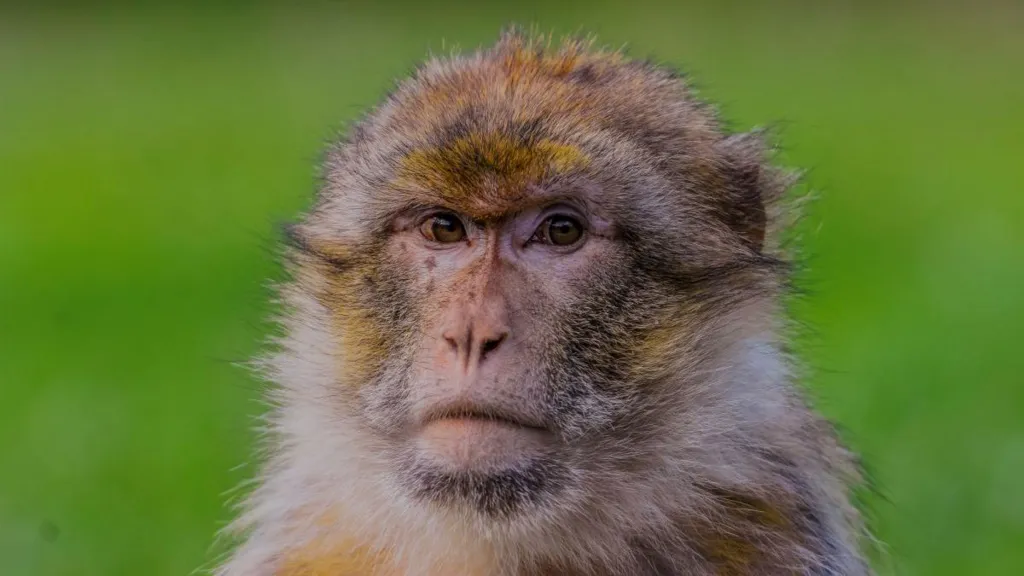
Researchers say they have reached a major scientific milestone by fully mapping the DNA of a monkey in Staffordshire.
The achievement centers on Crinkle, a Barbary macaque living at Trentham Monkey Forest in Stoke-on-Trent. Conservationists and scientists involved in the project say the work could become an important new tool in efforts to save the endangered species from disappearing.
Matt Lovatt, director of the park, said it was remarkable to know that Crinkle’s genetic information could play a role in protecting Barbary macaques from poaching and the illegal wildlife trade.
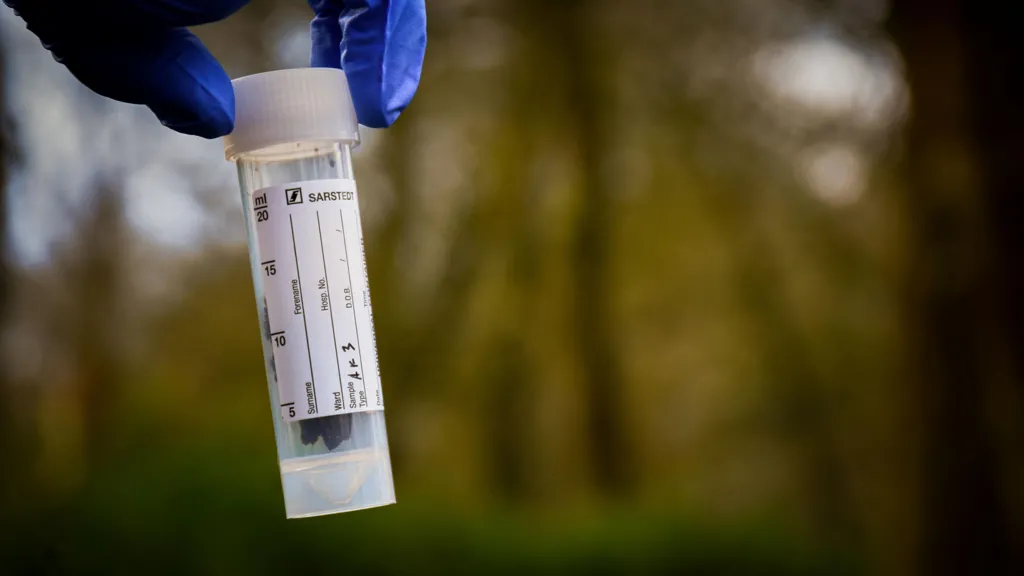
According to the research team, Crinkle is the first Barbary macaque ever to have her entire genome decoded. Until now, scientists lacked a full genetic reference for the species, making it much harder to study population links, assess genetic health, or determine where trafficked animals had originally come from.
With this newly mapped DNA, described by researchers as a kind of master reference, the team has already been able to trace Crinkle’s ancestry to wild macaque populations near Ifrane National Park and Khenifra National Park in Morocco, both considered key habitats for the species.
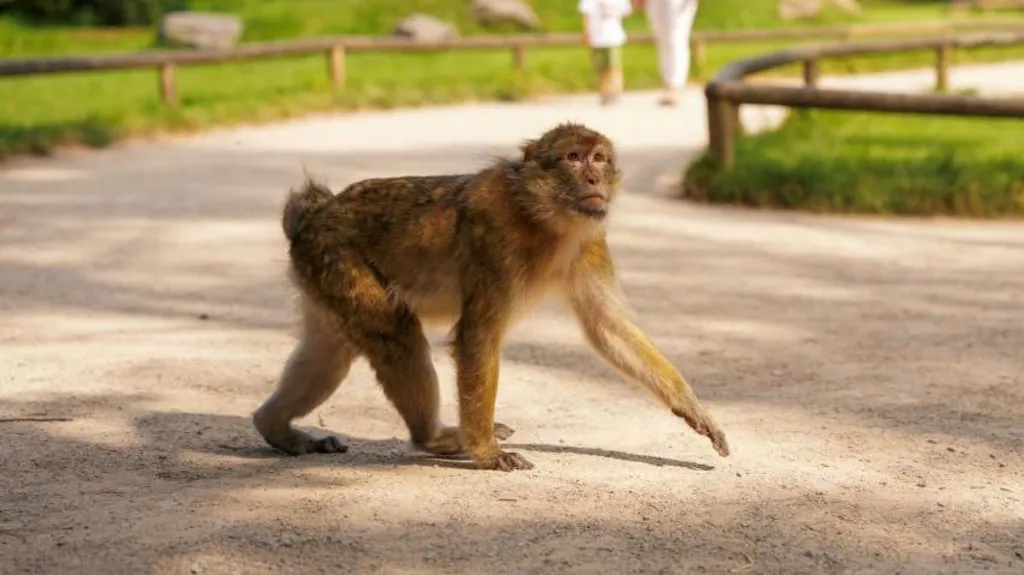
Lovatt said the team is proud that a monkey from Trentham Monkey Forest is at the center of such an important breakthrough, adding that Crinkle represents a species facing serious pressure in the wild.
Dr. Patrick Tkaczynski of Liverpool John Moores University, who also worked on the project, noted that Barbary macaques were once widespread across the Mediterranean region but are now limited to a few isolated populations in North Africa and Gibraltar.
Researchers say this kind of genetic science could become a valuable weapon against wildlife crime. By helping identify the original home ranges of trafficked animals, it could improve efforts to stop illegal trade and strengthen protection for Barbary macaques in the wild.