

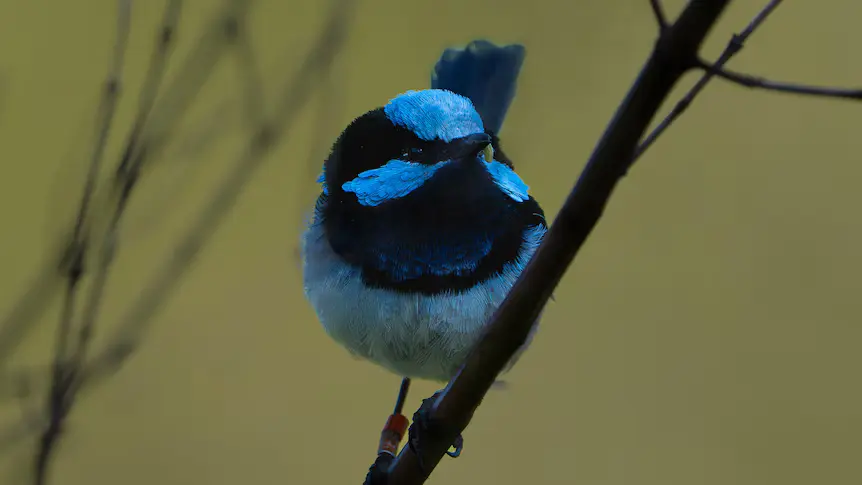
New research suggests the superb fairy-wren could disappear within the next 30 to 40 years, based on a long-running study in Canberra. Scientists behind the work, published in Nature, found that a buildup of smaller climate-related pressures has been driving the species downward at the Australian National Botanic Gardens. If those trends reflect what could happen more broadly, researchers warn the bird could vanish across Australia by 2062 unless greenhouse gas emissions are reduced.
The warning follows alarming losses recorded in recent years. More than half of the superb fairy-wrens at the botanic gardens died in a single 12-month period, while another group just 8 kilometres away near Mount Ainslie experienced a 70 percent mortality rate during the winter of 2025.
According to the researchers, the species is being squeezed by several climate extremes at once. Warmer-than-usual winter and summer days, along with colder-than-average winter nights, all appear to limit population growth. The study found the decline was especially tied to poor breeding success during dry springs and lower survival during unusually warm winters and the hot summers before them.
The researchers did note one unexpected pattern: the pied currawong, a major nest predator of fairy-wrens, has declined even faster over the same period. That raises the possibility that reduced predation could somewhat offset climate pressures, though the team said that idea still needs much more testing.
They argued that this case shows why long-term, year-round monitoring is so important. Climate change can affect animals in many subtle ways across different seasons, and without continuous study, those combined effects may be easy to miss.
The scientists also warned that the superb fairy-wren may be a sign of a larger problem. Even though it is a common and well-loved bird, that does not guarantee its safety. They pointed to examples like the passenger pigeon, once incredibly abundant, to show that common species can still collapse quickly.
Researcher Andrew Cockburn said the findings point to a clear response: cutting greenhouse gas emissions. Unlike many conservation problems that can be traced to one main cause, this decline appears to come from numerous climate-related stresses happening at once. That makes the challenge broader, but it also makes the need for action more urgent.