

In 1774, British physician Charles Blagden eagerly accepted an unusual challenge: to sit inside a small room heated to temperatures once thought fatal to any living creature. To his amazement, even as the air around him climbed close to 200°F (93°C), his own body temperature held steady at 98°F (37°C).
Today, we know this stability as homeothermy — the ability to maintain a consistent internal temperature. Most mammals and birds share this trait.
But not all.
A growing body of research shows that many species don’t keep their temperature perfectly steady. Instead, they use a strategy called heterothermy, allowing their body temperature to rise and fall — sometimes dramatically — to survive challenging conditions.
Not All Mammals Run Like Humans
Because humans are homeothermic, scientists once assumed other mammals worked the same way. But modern tracking technology has revealed surprising flexibility in many species.
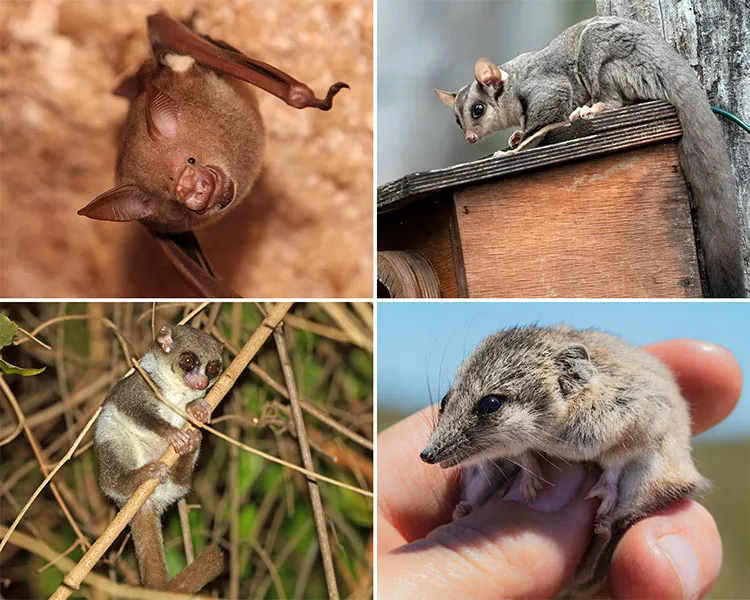
Take the fat-tailed dwarf lemur, whose body temperature can swing by as much as 45°F (25°C) in a single day. Rather than being a flaw, this flexibility helps conserve energy and survive environmental stress.
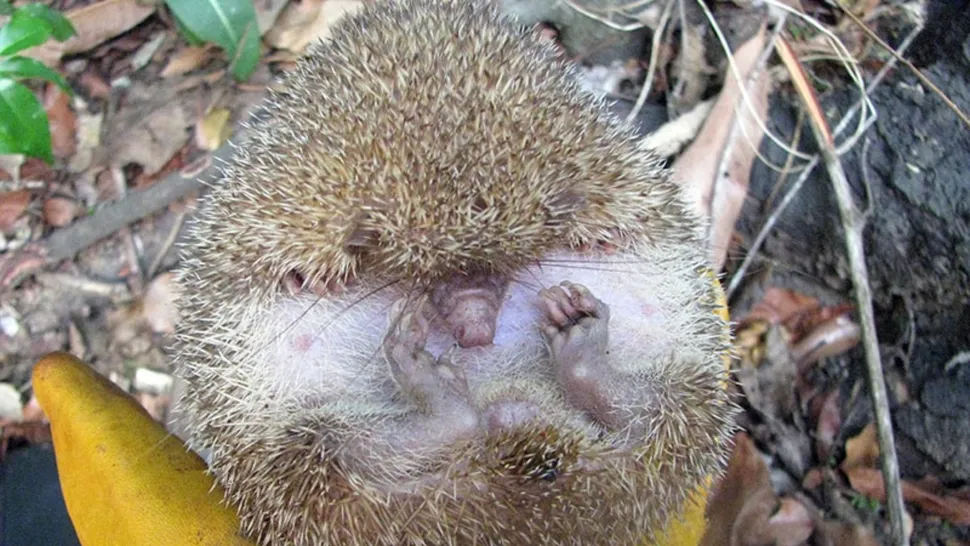
At the extreme end of heterothermy lies hibernation — long periods of deep torpor during which metabolism slows dramatically and body temperature drops close to freezing. But hibernation is only one part of a broader spectrum.
Many animals enter shorter, lighter bouts of torpor, adjusting their physiology for hours or days depending on weather, food availability or danger.
As physiologist Fritz Geiser puts it, “It’s much more interesting than homeothermy.”
Weather, Food and Survival
Some animals use torpor strategically in response to environmental shifts:
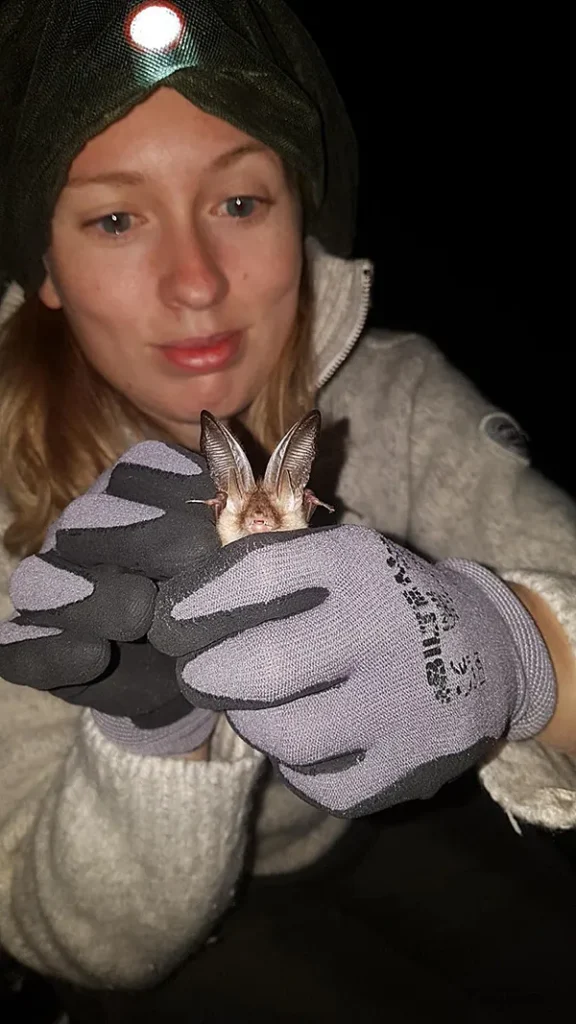
- Eastern long-eared bats increase torpor use during cold, rainy or windy days when flying becomes energetically costly.
- Pregnant hoary bats have even been observed entering torpor during spring storms — effectively pausing pregnancy until conditions improve.
- Sugar gliders typically avoid torpor, but during severe storms with cyclone-level winds, they hunker down and reduce body temperature significantly.
- A golden spiny mouse once entered a rare multiday torpor episode during accidental lab flooding.
In each case, lowering metabolism reduces energy demands and helps animals “wait out” harsh conditions.
Avoiding Predators
Torpor isn’t just about weather — it can also be a survival tactic against predators.
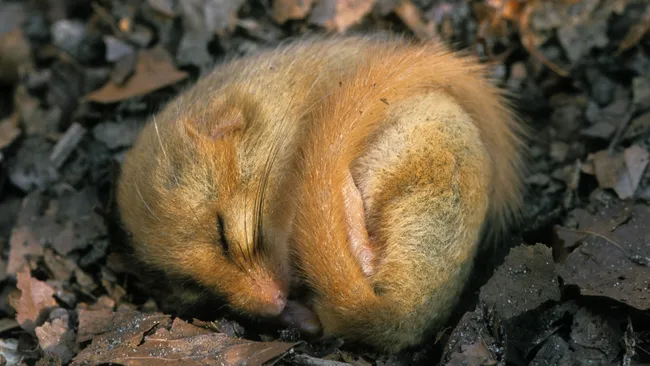
The edible dormouse sometimes spends early summer in prolonged torpor, despite comfortable temperatures and abundant food. Researchers believe this strategy reduces exposure during periods when owls — one of their main predators — are especially active.
Similarly:
- Some bats spend more time torpid during full moons, when they are easier to spot.
- Fat-tailed dunnarts forage less and show greater temperature variability in environments that simulate higher predation risk.
Lying low can mean living longer.
Beating the Heat Without Sweating
Humans rely heavily on sweating to cool down. While effective, it risks dehydration — especially for small mammals.
Instead, some species allow body temperature to rise safely while reducing metabolic activity:
- Madagascar’s leaf-nosed bats can let their body temperature climb above 109°F (42.9°C) during extreme heat while drastically lowering metabolism.
- Ringtail possums in heat-wave simulations conserved significant amounts of water by allowing a small rise in body temperature.
For small animals, that water savings can mean the difference between life and death.
A Buffer — But Not a Cure-All
Heterothermy provides flexibility — a physiological “buffer” against unpredictable weather, scarce food or sudden danger. But researchers caution that even this adaptability has limits.
Rapid climate change may outpace many species’ ability to cope, even with temperature flexibility.
Rethinking Temperature Control
In Blagden’s time, maintaining a constant temperature seemed like a biological triumph. And for humans, it is.
But scientists are now realizing that flexibility — not rigidity — may be equally powerful.
For many mammals, survival doesn’t depend on holding the line at 98°F. Sometimes, it depends on letting go.