

For decades, Toronto’s Don River symbolized urban pollution. At one point, it became so contaminated that it actually caught fire.
Today, however, the story looks very different.
After years of work and nearly CAD$1 billion in restoration efforts, the Don River now supports a thriving ecosystem and rivals some of the most successfully restored urban rivers in the world.
A River Once Written Off
Like many rivers that cut through major cities in the Great Lakes region, the Don suffered heavily from industrialization.
During the 1800s, development straightened the river into rigid channels with sharp angles. As a result, water flowed faster, wetlands disappeared, and flooding became frequent and destructive.
By the mid-20th century, officials declared the river biologically dead.
A Massive Restoration Effort
Undoing that damage became a central goal of the restoration project.
Over time, engineers and ecologists reshaped the river’s course to resemble its natural form. They rebuilt wetlands on land that had been filled decades earlier and slowed the river’s flow to improve water retention.
In addition, the project introduced climate-resilient infrastructure, new levees, and a newly formed delta island designed to support both nature and future development.
Wildlife Makes a Comeback
As the river regained its natural features, life returned quickly.
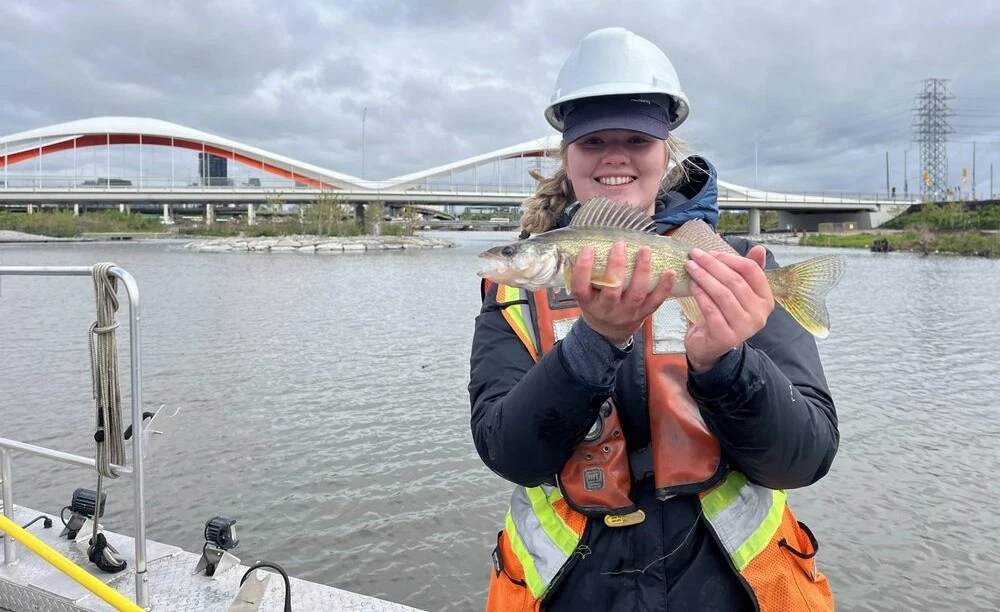
Ecologists recently confirmed more than 20 fish species living in the Don at the same time. These include Atlantic salmon, largemouth bass at every life stage, and native warm-water species that had not coexisted there in generations.
Importantly, researchers also observed spawning activity, juvenile fish, and large predatory species — all strong indicators of a healthy ecosystem.
Designed for Fish and Flood Control
The restored river now includes gravel beds needed for spawning, along with underwater and shoreline vegetation that provides shelter and food.
Within just the first year of water flowing through the newly reshaped channel, the number and variety of fish increased significantly.
Predatory species such as northern pike and walleye have also returned, signaling a more balanced and resilient food web.
Still Studying, Still Learning
Despite the success, scientists continue to collect data and monitor changes.
They know that full recovery takes time, and long-term observation remains essential to understanding how the river and its habitats will evolve.
Still, the early signs are unmistakably positive.
A Healthier Future Ahead
For a river written off more than half a century ago, the Don’s transformation represents a remarkable turnaround.
What was once polluted and lifeless now flows clean, fishable, and full of movement.
After a long wait, this major artery of Lake Ontario finally has a future filled with cleaner water, thriving wildlife, and room to breathe again.