
Future of Former Bristol Zoo Site Reaches Turning Point After Court Ruling
The long-running debate over what should happen to the former Bristol Zoo Gardens site has entered a new phase after a legal challenge was rejected.
Last week, a judge dismissed a judicial review that tried to block plans to build new housing on the former zoo land in Clifton. The ruling found that Bristol City Council followed the correct legal process when approving the development.
While the decision brought relief to the Bristol Zoological Society, campaigners who oppose the redevelopment say they are not giving up.
Court Sides With Zoo Over Housing Challenge
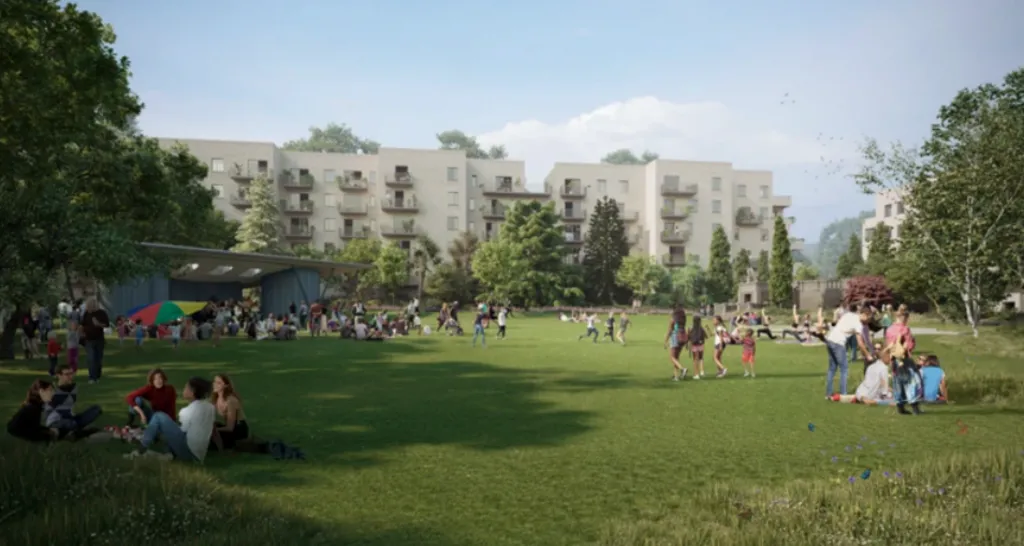
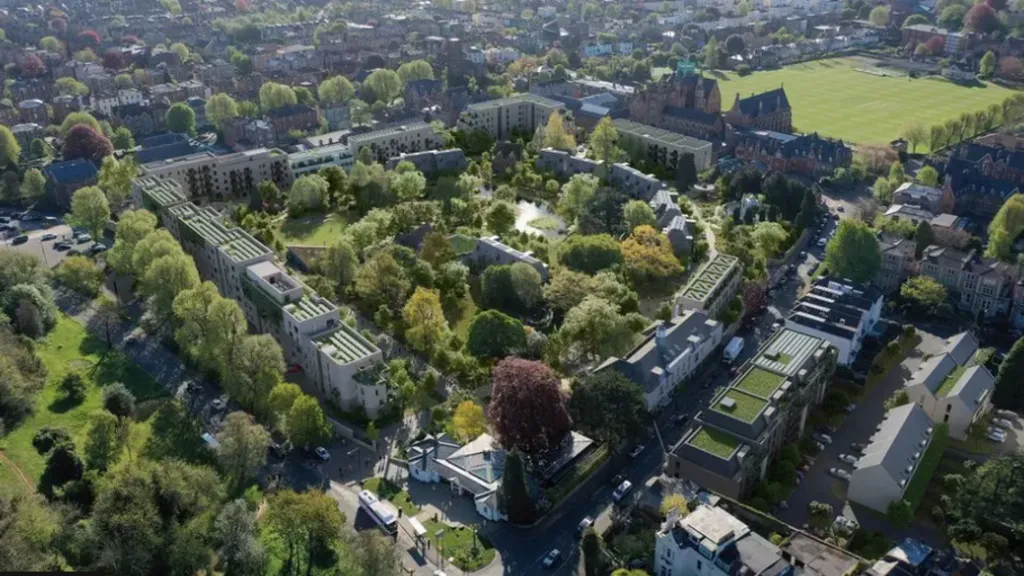
Bristol Zoological Society plans to build 196 homes — a mix of houses and apartments — on part of the 12-acre site. The proposal includes opening much of the former zoo grounds as a free public conservation space, while building homes on the old car park area.
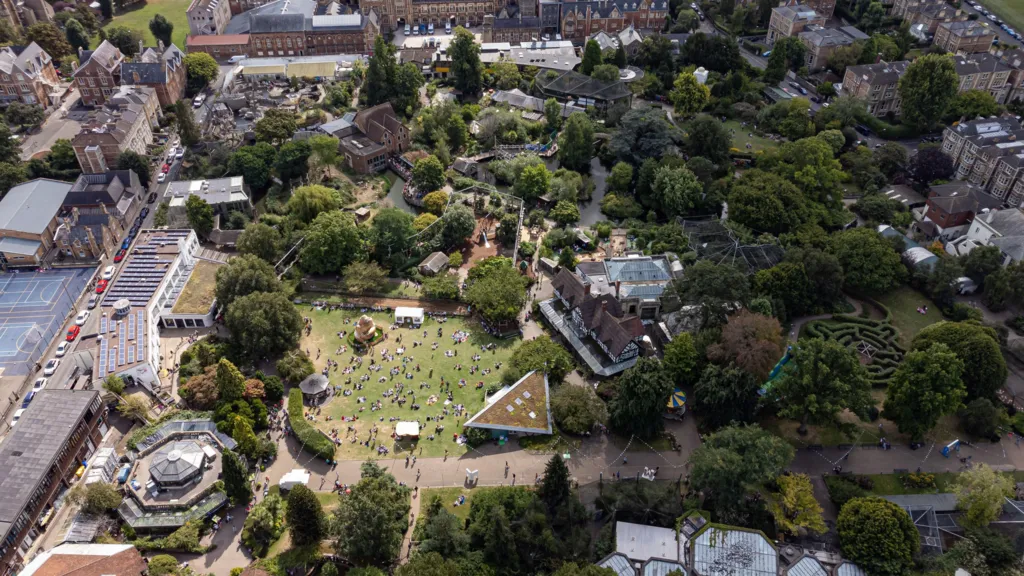
The legal case was brought by the Save Bristol Gardens Alliance, which said it was disappointed by the outcome but promised to continue fighting what it described as a “destructive” development.
Dr Justin Morris, chief executive of the Zoological Society, said the prolonged legal battle had been emotionally and financially draining.
He also revealed the legal delays had cost the organization more than £300,000 and contributed to 20 job redundancies.
How the Dispute Began
The future of the zoo site has been uncertain since 2020, when zoo leaders announced plans to sell the Clifton location and relocate.
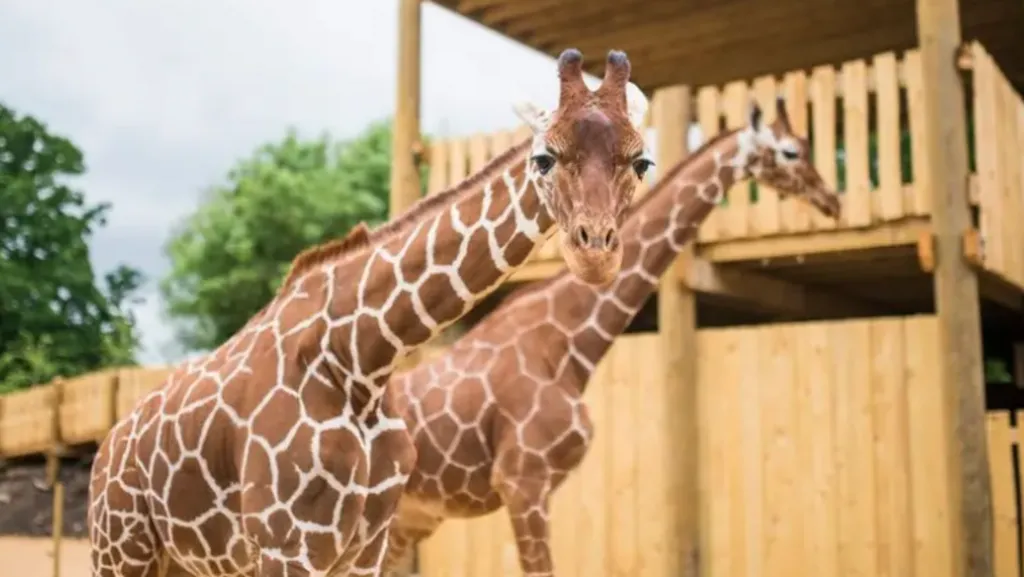
After 186 years, Bristol Zoo Gardens closed in 2022. Animals were gradually moved to the larger Bristol Zoo Project (Wild Place) site in South Gloucestershire.
In an effort to stop housing development, the Clifton and Hotwells Improvement Society (CHIS) successfully had the land listed as a community asset, giving them the legal right to attempt to purchase the site if it was officially put up for sale.
Originally, the zoo also proposed turning much of the land into a publicly accessible conservation space, while building housing only on the former car park.
The zoo said money from the site’s sale is crucial to fund and expand its new home at the Wild Place Project.
Why the Zoo Closed
Dr Morris said the move was necessary to protect the zoo’s long-term future, especially after serious financial strain caused by the COVID-19 pandemic.
He explained that the historic Clifton location could no longer meet the modern welfare needs of animals due to its limited space and outdated infrastructure.
“This gives us the chance to build a world-class, modern zoo,” he said at the time.
Strong Local Opposition Remains
Public opposition has been significant. Nearly 10,000 people signed a petition against the plans, and more than 1,000 objections were submitted to the council during the planning process.
The Save Bristol Gardens Alliance said the housing proposal would transform the historic green space into what it called visually intrusive apartment blocks and roads.
Despite the court ruling, the group said it plans to regroup and continue campaigning.
What Happens Next
The Bristol Zoological Society has already exchanged contracts to sell the site to Acorn Property Group, an independent housebuilder.
However, the sale cannot be finalized until all legal challenges are fully settled.
Zoo representatives told the BBC that any further appeals could delay progress on the new Wild Place development.
Bristol City Council declined to comment on the situation.