

Fifteen years ago, renowned Australian ecologist Robert May challenged scientists with an imaginative thought experiment.
He asked readers of Science to picture an alien crew arriving on Earth and posing a single question to humanity: How many different species live on your planet?
May’s answer was blunt. Scientists, he wrote, would struggle to respond with confidence. Estimates at the time ranged wildly — from as few as 3 million species to well over 100 million, excluding bacteria and viruses. Even the commonly cited figure of 5 to 10 million eukaryotic species was little more than an educated guess.
That uncertainty resurfaced recently when John Wiens, a professor of ecology and evolutionary biology at the University of Arizona, examined how quickly scientists are identifying new species today.
“At the moment, roughly 2.5 million species have been formally described,” Wiens said in a statement from the university. “But the real number could be tens of millions, hundreds of millions, or possibly even more.”
Some researchers have argued that the rate of new discoveries is slowing, suggesting scientists may be nearing the end of Earth’s undiscovered biodiversity. Wiens’ findings, however, tell a very different story.
“Our data show that species are being discovered faster than ever,” Wiens explained. “We are not running out of new life forms to find.”
Working alongside co-authors Xin Li, Ding Yang and Liang Wang, Wiens analyzed taxonomic records for nearly two million species. Their study revealed that between 2015 and 2020, scientists formally described more than 16,000 new species each year on average.
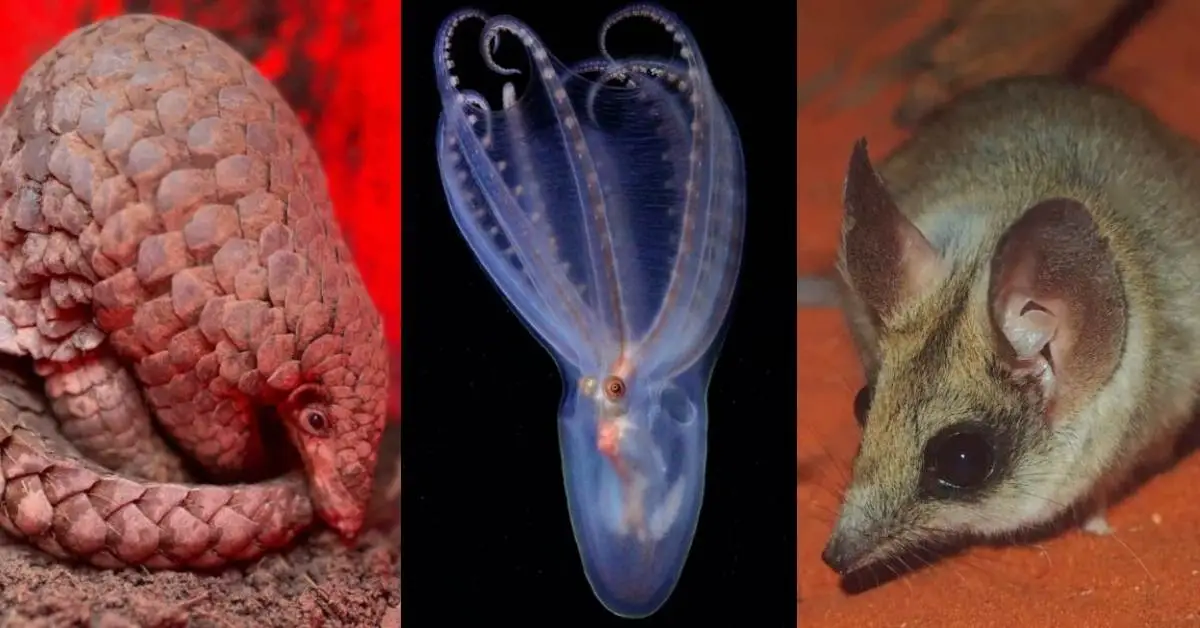
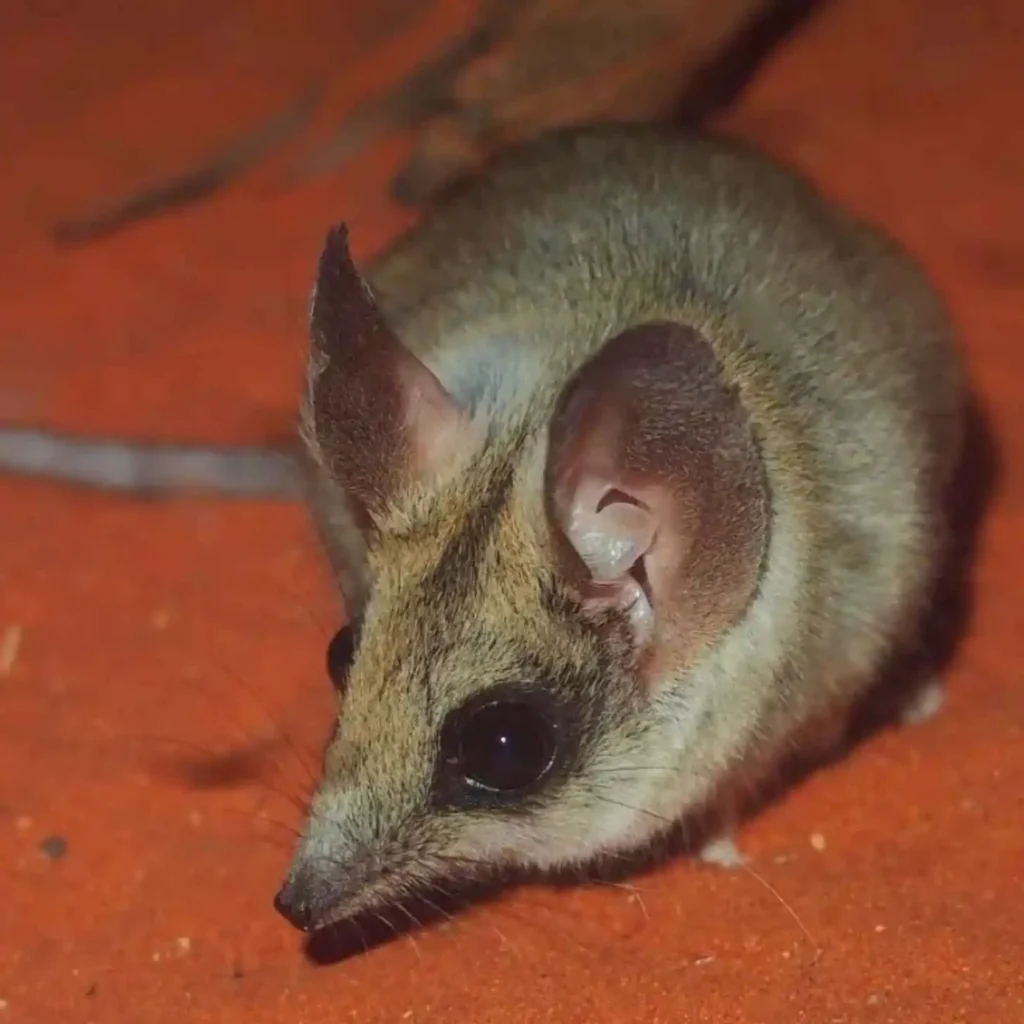
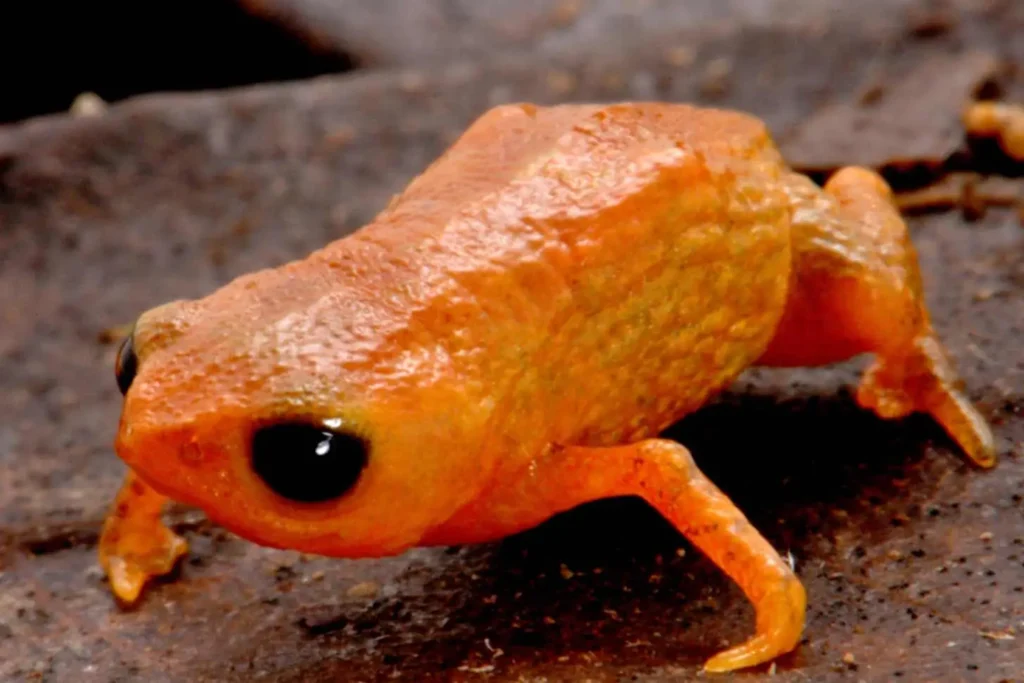
These discoveries aren’t limited to microscopic organisms. New insects, plants, fungi and even hundreds of vertebrates continue to be added to the scientific record annually — including recently identified mammals and amphibians.
In a separate study published in October with colleague Kristen Saban, Wiens also examined extinction trends across various plant and animal groups. While species loss remains a serious concern, the researchers found that documented extinction rates — estimated at around 10 species per year — are far lower than the pace of discovery.
Despite the encouraging numbers, Wiens stressed that this does not lessen the urgency of conservation or climate research.
On the contrary, he said, identifying species is a critical step in protecting them.
“A species can’t be conserved until it’s known to science,” Wiens explained. “You can’t protect what you haven’t documented.”
Beyond conservation, newly discovered species may also hold untapped benefits for humanity. Compounds found in snake and spider venom, as well as chemicals produced by plants and fungi, have already contributed to advances in pain management and cancer research.
“We’ve only begun to understand what these species can offer,” Wiens said. “There’s still an enormous amount left to discover.”