

Sea Turtle Comeback: Nest Numbers Surge Along India’s Western Coast
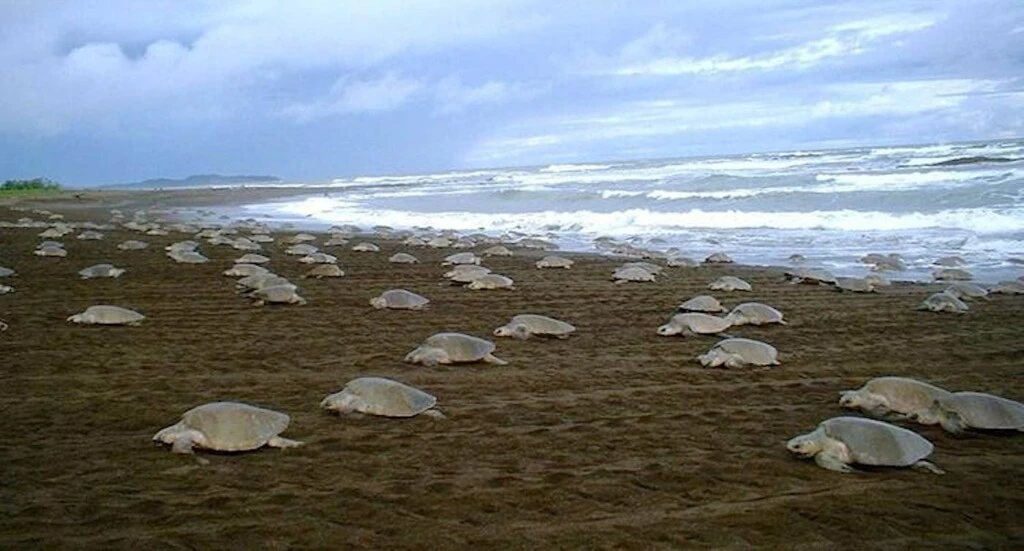
Sea turtles are making a remarkable global recovery, and nowhere is this more visible than along India’s western shoreline. According to a recent report, researchers have recorded around one million sea turtle nests, a number that has grown nearly tenfold compared to two decades ago.
The species behind this resurgence is the olive ridley sea turtle, the most abundant sea turtle species on Earth, though it is still listed as Vulnerable by the International Union for Conservation of Nature (IUCN).
In coastal towns across Maharashtra, Odisha, and nearby regions, conservation celebrations like the Velas Turtle Festival have become a major event. During nesting season, crowds gather on the beach to quietly cheer as tiny hatchlings scramble, tumble, and wriggle their way toward the ocean for the first time.
How Communities Are Protecting the Nests
This success didn’t happen by accident. Local volunteers, wildlife groups, and scientists have spent years building a hands-on conservation system to protect turtle eggs.
Here’s how it works:
- Nesting sites are mapped in January using cameras and patrols
- Eggs are carefully relocated to protected hatcheries
- Nests are guarded from predators like dogs, birds, and lizards
- Beaches are kept safe and clean until hatchlings emerge
When the eggs hatch, conservation teams guide the newborn turtles safely to the water’s edge, giving them their best chance of survival as spectators watch from a respectful distance.
From Near Disappearance to Record Numbers
Two decades ago, the situation looked bleak. Conservation scientist Kartik Shanker told reporters that around the early 2000s, there were only about 100,000 recorded nests along India’s entire coastline — far too low to ensure long-term survival, considering that only about 1 in 1,000 hatchlings survives to adulthood.
In some places, like Velas, turtles had almost stopped nesting entirely. Then, in the year 2000, a single turtle egg was discovered. That lone sign of life became the spark for change.
Shanker and other conservationists convinced local councils to introduce strong protections, including:
- Bans on coastal construction
- Seasonal fishing restrictions
- Protected nesting zones
- Paid teams to clean plastic waste from beaches
These changes slowly gave turtles the space they needed to recover.
“Once real protection was in place, the turtles came back,” Shanker said.
“This last nesting season we recorded around a million nests — which is unbelievably high.”
A Broader Global Recovery
India’s success mirrors progress elsewhere. In October, the IUCN officially downgraded the green sea turtle from “Endangered” status, recognizing decades of recovery in nesting sites from the Caribbean to the Indian Ocean.
Because turtles live most of their lives underwater, scientists often rely on nest counts as population indicators.
“We went from being deeply worried about green sea turtles to watching their populations steadily rise,” said conservation scientist Bryan Wallace, who helped prepare the IUCN report.
“We’re not finished, but this proves that when humans do the right things, conservation really works.”
A Hopeful Sign for the Oceans
While sea turtles still face threats from climate change, plastic pollution, and fishing gear, the dramatic rebound of olive ridleys shows that strong protection, local involvement, and long-term commitment can bring species back from the brink.
It’s a powerful reminder: when people give wildlife space and support, nature can recover.