

Wildlife in Chernobyl Changed Its Behavior During the 2022 Russian Occupation, Camera Traps Reveal
Camera traps operating inside the Chernobyl exclusion zone have provided researchers with an unusual look at how wildlife responded when Russian forces occupied the area during the first months of the 2022 invasion of Ukraine.
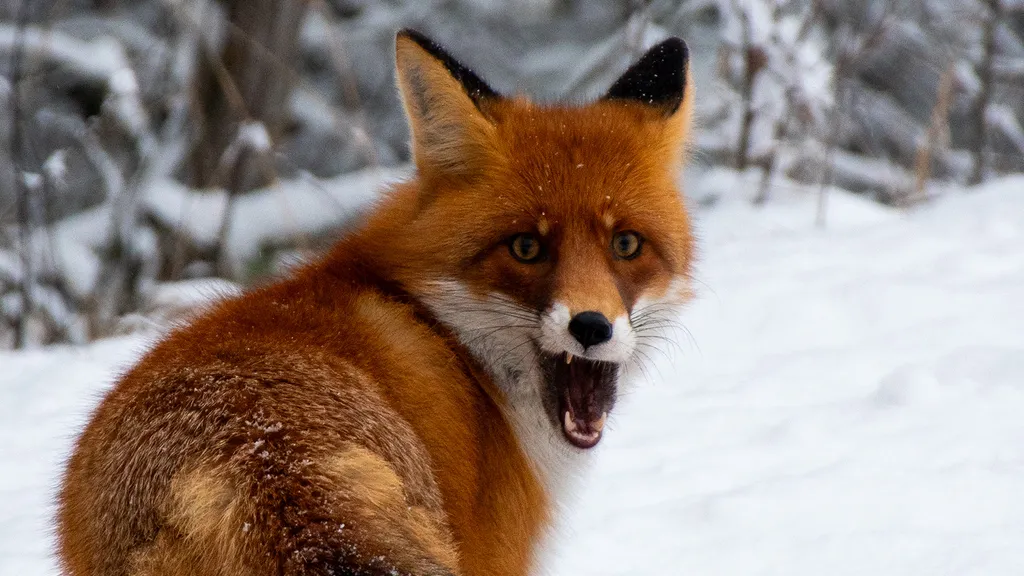
The study found that several mammal species became noticeably less active during the occupation. Animals such as roe deer, red deer, moose and red foxes appeared to reduce their movements, with the strongest changes occurring during nighttime hours when fighting and other military activity intensified.
Researchers were able to identify these behavioral shifts by comparing camera-trap recordings collected during the first months of the invasion with footage from the same period one year earlier, before the war reached the exclusion zone. The findings offer rare evidence of how quickly wildlife can respond to sudden and severe human disturbances.
The research was conducted by scientists studying the Chernobyl exclusion zone, a vast area surrounding the site of the 1986 nuclear disaster. After the reactor explosion, residents were evacuated and human activity in much of the region was dramatically reduced. Over the following decades, forests and abandoned landscapes became an important refuge for numerous species.
With people largely absent, wildlife populations expanded throughout parts of the exclusion zone. The area has consequently become an important natural laboratory, allowing researchers to observe how ecosystems develop with limited human interference.
That relative isolation changed dramatically in February 2022, when Russian troops entered and took control of the region during the early stages of the invasion of Ukraine. Military vehicles, soldiers, weapons and other activity introduced an entirely different type of disturbance into an environment that had experienced decades of comparatively low human pressure.
To investigate the consequences, scientists examined footage from automated camera traps that had already been operating across the exclusion zone between 2020 and 2022. Because active conflict zones can be extremely dangerous and difficult for scientists to enter, the existing cameras provided a rare opportunity to observe animals without putting researchers at risk.
The team analyzed nearly 2,000 photographs and video recordings. The material included observations of 11 species of wild mammals and allowed researchers to compare animal activity before and during the occupation.
The results showed that several species altered their behavior once military activity began. Roe deer, red deer, moose and red foxes were among the animals that became less active compared with the period before the conflict.
The changes were particularly noticeable at night. Rather than moving around as frequently as they had previously, animals appeared to reduce their activity during periods when fighting and other disturbances were more intense.
The researchers believe the findings demonstrate that armed conflict can affect wildlife even when animals are not directly injured or killed. Sudden noise, troop movements, vehicles and other military activity can disrupt normal patterns of movement and potentially influence how animals use their habitats.
The Chernobyl exclusion zone is especially valuable for studying these effects because its wildlife had already adapted to an environment with very limited human presence. The arrival of large numbers of troops and military equipment therefore represented a major and sudden change.
Although Russian forces eventually withdrew from the exclusion zone, the study provides an important example of how quickly warfare can influence animal behavior. It also demonstrates the potential value of camera traps for studying wildlife in areas where conventional field research is impossible.
Researchers say similar monitoring methods could help scientists assess the environmental consequences of conflicts in other parts of the world. Long-term camera-trap networks may allow researchers to compare wildlife activity before, during and after periods of armed conflict.
The findings also underline the importance of considering wildlife and ecosystems when assessing the broader environmental costs of war. Even when animals survive direct encounters with military activity, changes in movement, feeding and habitat use can reveal that the effects of conflict extend far beyond the battlefield.
The researchers argue that conservation programs should increasingly take armed conflict into account, particularly in protected areas and other regions that are important for biodiversity.