

It’s a trait that feels surprisingly human.
In Australia’s woodlands and gardens lives a tiny bird with a big reputation: the fairy-wren. Among the most famous is the superb fairy-wren, admired for both its bold coloring and surprisingly dramatic love life.
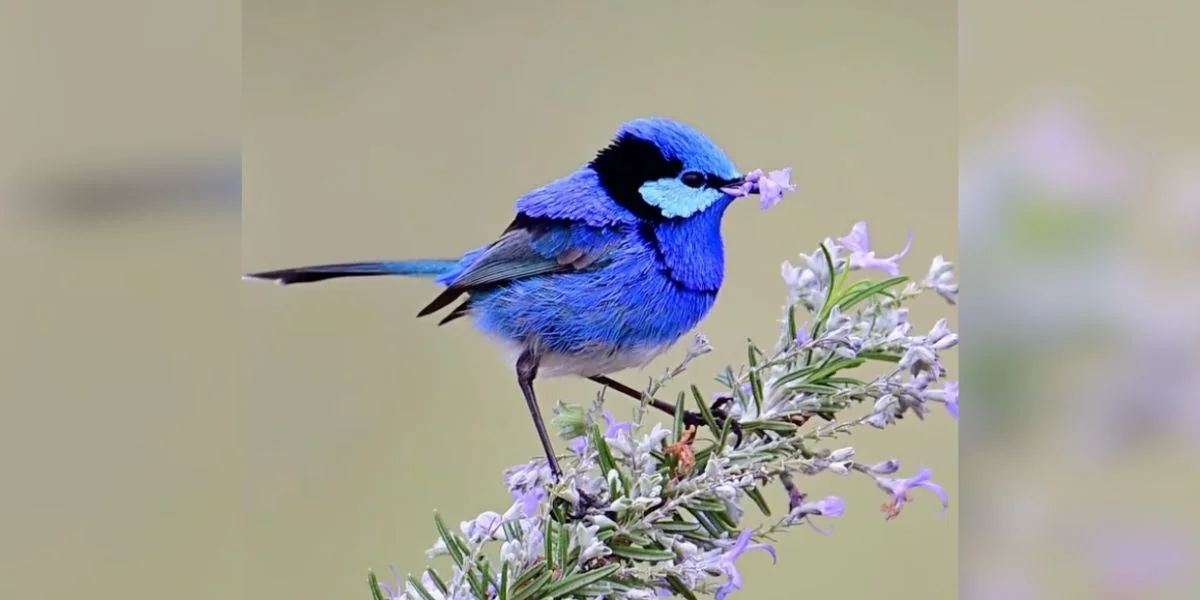
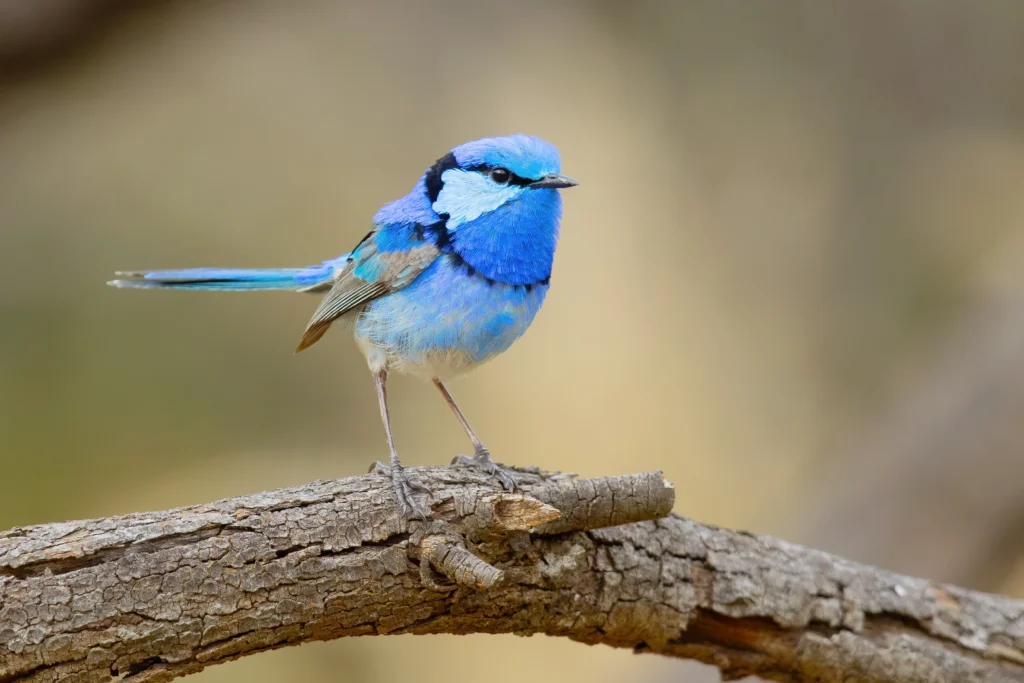
According to Australian Museum, male superb fairy-wrens are easy to recognize thanks to their vivid blue heads and cheeks — a brilliant shade that makes them stand out against the green bush. During breeding season, that electric-blue plumage becomes even more striking, turning these little birds into living flashes of color.
Tiny Bird, Grand Romantic Gestures
Good looks aren’t their only claim to fame. Male fairy-wrens are also known for carrying brightly colored flower petals in their beaks — not for nesting, but for romance.
As the Cornell Lab of Ornithology explains, these birds present petals to females as part of their courtship display. It’s essentially their version of arriving with a bouquet.
In other words, humans aren’t the only ones who understand the power of flowers. Like someone showing up on Valentine’s Day with roses in hand, a male fairy-wren hopes his carefully chosen petal will impress a potential mate.
A Complicated Love Life
Despite their charming gestures, superb fairy-wrens aren’t exactly known for loyalty. The Australian Museum has even described them as among “the least faithful birds in the world.” During breeding season, a single female may be courted by numerous males in a very short period of time.
While their social lives may be complicated, their behavior fascinates researchers and bird lovers alike.
Facing Real-World Threats
Unfortunately, these colorful songbirds face serious challenges. Conservation groups like the Australian Wildlife Conservancy (AWC) are working to protect them and their habitats.
Fairy-wrens are vulnerable to predators such as domestic and feral cats. Habitat loss caused by land clearing, livestock grazing, invasive herbivores and changes in natural fire patterns also puts pressure on their populations.
To help, AWC manages and safeguards high-quality habitats across sanctuaries and conservation areas throughout Australia, ensuring fairy-wrens have safe places to feed, nest and perform their petal-bearing courtship rituals.