

Representatives from 132 countries have agreed on a sweeping set of conservation measures aimed at protecting migratory species and their habitats worldwide.
The decisions were made at the 15th Conference of the Parties to the Convention on the Conservation of Migratory Species (CMS), held in Brazil this March. During the conference, 40 species were granted new protections under one of the United Nations’ most important wildlife treaties.
The protected animals span land, sea and sky — from small birds like the Hudsonian godwit to large marine species such as hammerhead sharks.
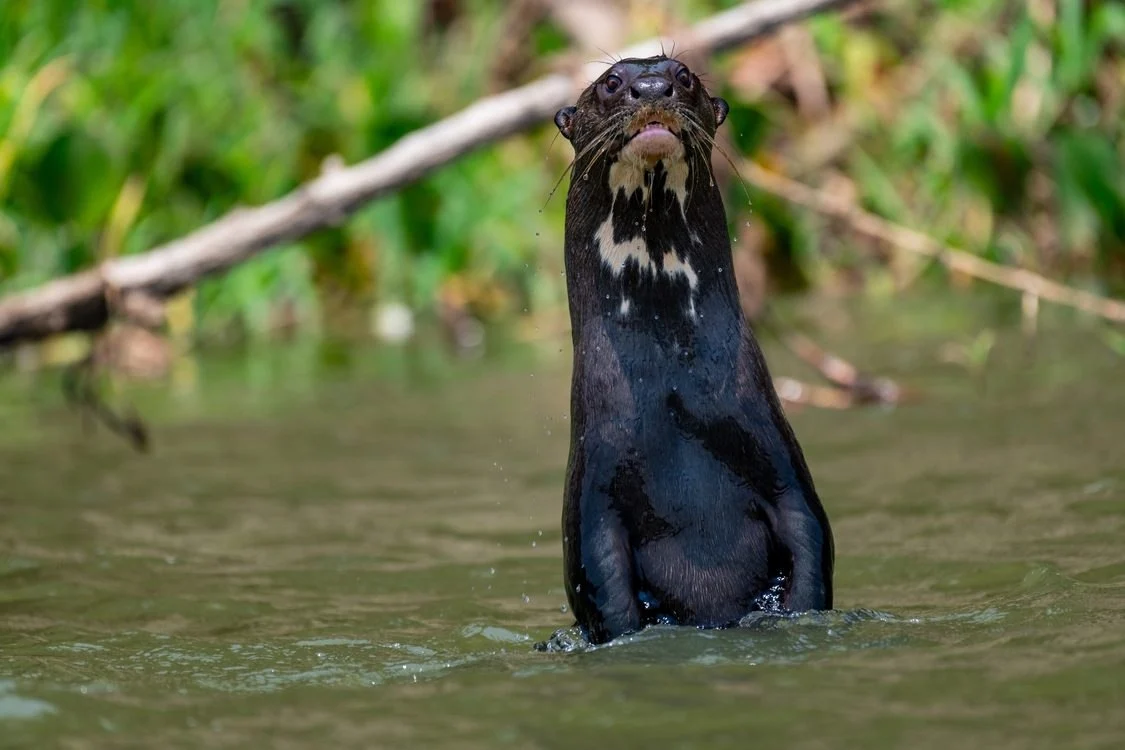
Among those added to the treaty’s appendices are two species of hammerhead sharks, the thresher shark, migratory Amazonian fish, jaguars, striped hyenas, giant river otters, snowy owls and manta rays.
“These listings send a clear signal that the global community recognizes the urgent need to act,” said Susan Lieberman of the Wildlife Conservation Society. “Many of these species rely on habitats that cross national borders.”
Under the CMS framework, species listed in Appendix I are considered threatened with extinction and require strict protection. Appendix II includes species that need international cooperation to ensure their survival and safe migration.
Beyond the listings themselves, countries also agreed on concrete actions. These include improving cross-border protections for animals like jaguars and freshwater fish, and reducing threats such as bycatch affecting migratory sharks.
“Expanded protections show that nations can act when the science is clear,” said CMS Executive Secretary Amy Fraenkel. “Now we must ensure these commitments translate into real-world impact.”
These coordinated efforts, known as “Concerted Actions,” have already shown success. A five-year initiative to protect four giraffe species helped increase their population from 113,000 to 140,000.
New actions were also approved for several sharks, dolphins, rays, as well as species like the Eurasian lynx and chimpanzee.
Hosting the conference in Campo Grande, Brazil, officials emphasized the shared global responsibility to protect migratory wildlife.
“We protect species that may never remain within our borders,” said João Paulo Capobianco of Brazil’s Ministry of the Environment. “Migratory species transcend nations — and so must our efforts to protect them.”