

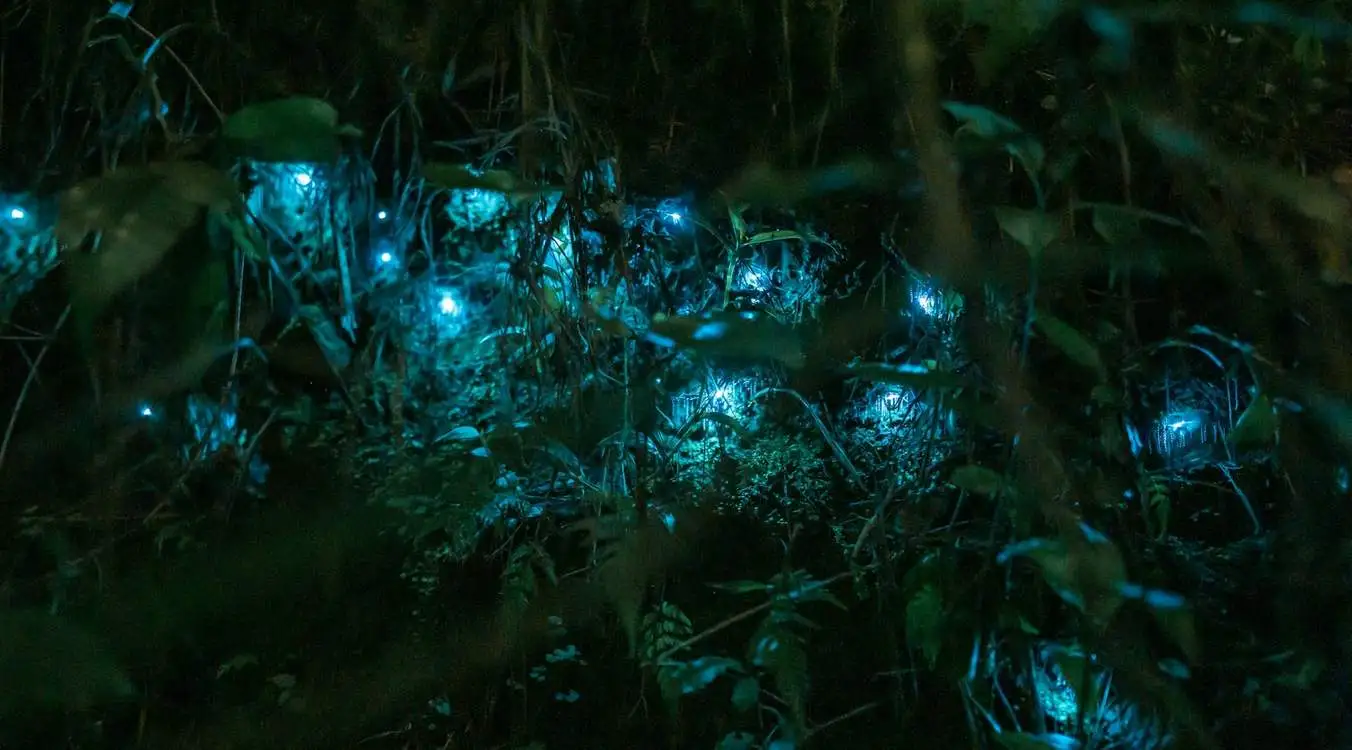
For nearly a century, the summer nights at a nature reserve in North Yorkshire have been missing something magical: the gentle glow of tiny insects illuminating the darkness.
Now, thanks to the determination of a passionate wildlife enthusiast and a dedicated group of conservation volunteers, that long-lost natural spectacle could finally make a comeback.
Peter Cooper has been carefully breeding glowworms in an ordinary garden shed, working toward an extraordinary goal: restoring these fascinating creatures to a landscape where they haven’t been recorded for approximately 100 years.
His efforts have already produced thousands of young glowworms, offering fresh hope for one of Britain’s most enchanting but increasingly elusive insects.
Wildlife Enthusiast Takes on a Century-Old Conservation Challenge
For many people, a garden shed is simply somewhere to store tools and gardening equipment.
For wildlife enthusiast Peter Cooper, however, it has become the center of an ambitious conservation project.
In his spare time, Cooper carefully raises glowworm larvae, helping the delicate insects develop in a controlled environment before preparing them for release into the wild.
His destination is Nosterfield Nature Reserve in North Yorkshire, a protected landscape where glowworms have reportedly been absent for around a century.
The project is driven by a simple but powerful ambition: to bring back an insect that once helped illuminate Britain’s countryside.
Rather than waiting for the glowworms to return naturally, Cooper and his fellow volunteers are taking practical steps to give the species another chance.
Their efforts could eventually restore a natural nighttime display that generations of local residents have never had the opportunity to witness.
A Yorkshire Nature Reserve Could Soon Glow Again
Nosterfield Nature Reserve is considered one of North Yorkshire’s most significant wetland wildlife sites.
Spanning approximately 600 acres, the reserve occupies former limestone quarry land that has gradually been transformed into valuable wildlife habitat.
Some areas recovered naturally over time, while others were carefully restored through conservation work led by the nonprofit Lower Ure Conservation Trust.
Today, the landscape provides important habitat for a variety of wildlife, making it a promising location for the return of glowworms.
These insects belong to the Lampyridae family, which also includes fireflies and lightning bugs.
They are best known for their remarkable ability to produce light through a natural chemical process called bioluminescence.
For centuries, their mysterious nighttime glow has inspired fascination, folklore, and poetry.
Poet Edmund Bogg once compared their appearance to “lamps lit by the hands of fairy folk.”
It is easy to understand why.
When glowworms illuminate the vegetation after dark, their tiny lights can make an ordinary stretch of countryside appear almost magical.
But across much of Britain, that once-familiar sight has become increasingly rare.
Why Glowworms Have Disappeared From Parts of Britain
Glowworms were once widespread across the British countryside, but populations have declined in many areas.
Habitat destruction, changes in land management, and artificial lighting can all contribute to the challenges these insects face.
Unlike some other insects, glowworms have complex life cycles and specific habitat requirements that make successful conservation particularly difficult.
Their larvae spend much of their early lives developing before eventually reaching adulthood.
In the common European glowworm, adult females produce a distinctive greenish light to attract males during the breeding season.
Artificial lighting can interfere with this communication, making it harder for the insects to find mates.
Restoring a glowworm population therefore involves more than simply releasing insects into a suitable-looking landscape.
Conservationists must consider habitat quality, food availability, breeding conditions, and the insects’ ability to reproduce successfully across generations.
That is what makes the North Yorkshire project so important.
Volunteers Raise Thousands of Glowworms in a Garden Shed
Cooper is not working alone.
He is part of a group of dedicated conservation volunteers who have become affectionately known as the “glow-getters.”
Together, they have been developing the specialized knowledge needed to raise glowworm larvae in captivity.
It is a delicate process requiring patience, attention, and an understanding of the insects’ unusual life cycle.
The volunteers have spent considerable time learning how to care for young glowworms and prepare them for life outside captivity.
Their progress has been encouraging.
Cooper has counted approximately 1,900 glowworm larvae in his garden shed, with the insects scheduled for release at Nosterfield during 2026.
For a species that hasn’t been recorded at the reserve in around 100 years, that number represents an exciting step forward.
However, the project is not simply about how many larvae can be released.
Its ultimate success depends on whether the insects can survive, reproduce, and establish a self-sustaining population in their new environment.
Nature Reserve Manager Celebrates the Glowworm Project
The restoration effort has generated considerable excitement among the people responsible for protecting the reserve.
Simon Warwick, manager of Nosterfield Nature Reserve, has praised Cooper’s dedication, describing his work as an example of the difference passionate volunteers can make.
Warwick credited Cooper’s “raw passion and enthusiasm” for helping drive the ambitious effort.
“They are incredibly rare in the region and I can’t tell you how excited the volunteers have been about it,” Warwick said.
For the conservation team, the possibility of seeing glowworms illuminate the reserve again is about much more than creating a beautiful nighttime scene.
Their return would represent meaningful progress in restoring part of the area’s lost biodiversity.
It would also demonstrate how community-led conservation projects can help protect vulnerable wildlife.
Scientists May Have to Wait Until 2030 to Confirm Success
Although the release of thousands of larvae is an important milestone, Cooper understands that the project still faces a long road ahead.
A successful reintroduction cannot be confirmed simply because the young insects have been placed into the reserve.
The real test will come when glowworms born in the wild reach maturity and begin reproducing without human intervention.
According to Cooper, that crucial milestone may not be reached until around 2030.
If the descendants of the released larvae eventually mature and produce their own distinctive lights in the Yorkshire countryside, conservationists will have much stronger evidence that the population is becoming established.
Until then, the volunteers will need to continue monitoring the project and supporting the conditions necessary for the insects to thrive.
The wait may be long, but the potential reward is extraordinary.
A Small Insect Offers Big Hope for Wildlife Conservation
The effort to restore glowworms at Nosterfield Nature Reserve shows how much can be accomplished through patience, practical knowledge, and dedication.
Cooper began with a garden shed and a determination to help a disappearing insect.
With the support of fellow volunteers and local conservationists, that personal commitment has grown into a wildlife restoration project with the potential to reshape the reserve’s nighttime landscape.
The insects themselves may be tiny, but their ecological and cultural significance is much greater than their size suggests.
For generations, glowworms have been part of the natural beauty of Britain’s countryside.
Their disappearance from many areas has made their return especially meaningful.
And while there is still no guarantee that the reintroduction will succeed, the progress made so far provides genuine reason for optimism.
If the project succeeds, future summer nights at Nosterfield could once again be illuminated by thousands of tiny natural lights — restoring a spectacle that has been missing for approximately a century.
What began as one man’s passion for wildlife may eventually help bring a little more light back into the world.