

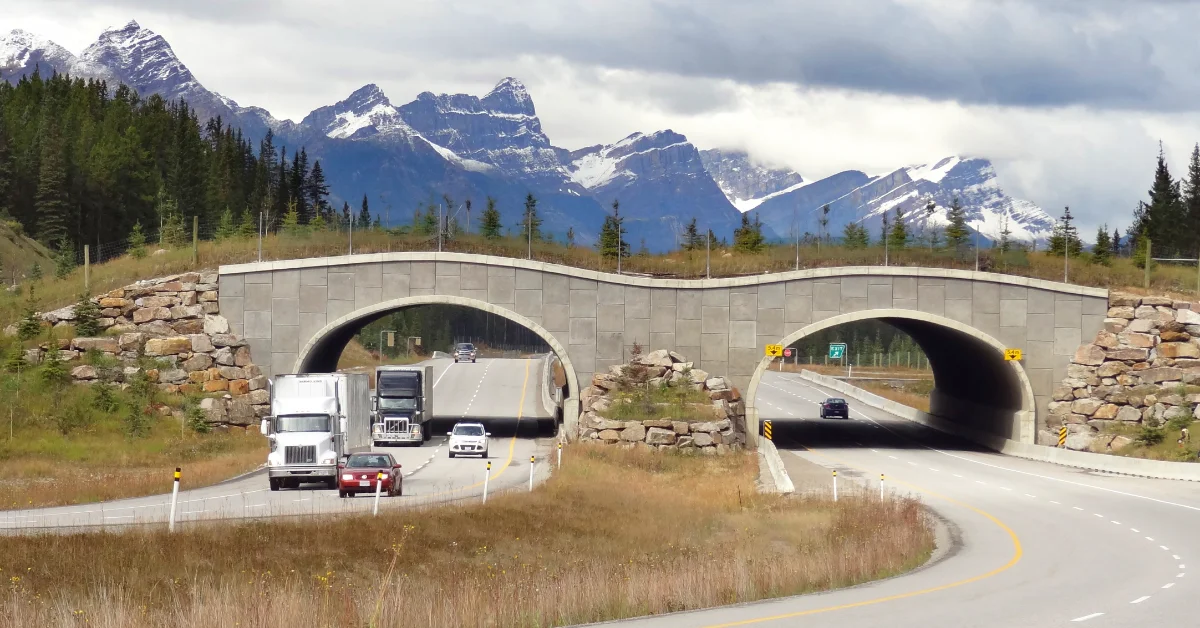
Four States Take Big Steps For Wildlife
Conservationists are celebrating new progress for wildlife corridors across the United States after four states passed measures aimed at helping animals cross roads more safely.
Utah, Virginia, Idaho and Oregon have all approved legislation or official support that could lead to more wildlife crossings, including overpasses, underpasses and other safe passage routes for animals.
These projects are designed to protect both wildlife and drivers.
Why Wildlife Crossings Matter
Wildlife crossings help animals move through their natural habitats without having to cross dangerous highways. They are especially important in places where roads cut through migration routes or separate animals from food, water and breeding areas.
They also make roads safer for people.
Collisions between vehicles and animals cause thousands of injuries and hundreds of deaths in the United States every year. They also lead to billions of dollars in vehicle repairs, medical costs and other damages.
Well-designed wildlife crossings can dramatically reduce these crashes. In some places, they have lowered wildlife-vehicle collisions by more than 90%.
A Growing Bipartisan Issue
One reason wildlife crossings are gaining momentum is that they have support from both sides of the political aisle.
For some lawmakers, the issue is about protecting wildlife and restoring natural movement across landscapes. For others, it is about road safety, reducing crashes and saving money. For many, it is both.
The result is a growing national interest in building safer roads for people and animals alike.
Utah Creates A Wildlife Crossing Fund
In Utah, lawmakers approved a new fund dedicated to wildlife crossing projects.
The state will put $2 million into the fund each year, giving transportation and wildlife officials more support for future crossings. Residents will also be able to contribute through vehicle registrations, hunting licenses and other permits.
The legislation also includes a requirement for new solar and wind projects to consult with Utah wildlife officials before construction begins.
While the new fund is an important step, larger projects such as major overpasses and wide underpasses will likely still need help from federal grants and other funding sources.
Virginia Establishes Permanent Support
Virginia also passed legislation creating a permanent fund for wildlife corridors.
The state has one of the highest rates of wildlife-vehicle collisions in the country, costing residents hundreds of millions of dollars each year. The new fund is meant to support planning, data collection, safety improvements and future crossing projects.
Residents will be able to contribute through tax returns or the state motor vehicle department.
Supporters hope the fund will help officials better understand where animal collisions are happening most often and build solutions before more crashes occur.
Idaho Signals Strong Support
Idaho took a slightly different approach.
Instead of creating a new funding source, lawmakers passed a resolution supporting future investment in wildlife crossing infrastructure.
The resolution does not provide money on its own, but it shows that state leaders recognize the importance of protecting big game migration routes and improving road safety.
The move follows recent progress on projects such as the Cervidae Peak Wildlife Overpass near Boise, which was built to help animals like mule deer and elk safely cross State Highway 21.
Local support will be an important part of future wildlife crossing projects in Idaho.
Oregon Finds A New Funding Path
Oregon approved a major conservation funding plan that will raise the state lodging tax by 1.25% beginning in January 2027.
The extra revenue will support several conservation programs, including wildlife corridor projects, research and efforts to reduce animal-vehicle collisions.
The increase is expected to add only a small cost to hotel and short-term rental stays, but it could generate nearly $37 million each year for conservation work.
Around $2 million annually is expected to go specifically toward wildlife corridor projects.
Helping Animals Move Safely
These new efforts show how much attention wildlife corridors are receiving across the country.
Roads can be deadly barriers for animals, especially species that migrate long distances or need large territories to survive. Crossings allow them to move safely while also reducing the risk of dangerous crashes for drivers.
A Win For Wildlife And People
The progress in Utah, Virginia, Idaho and Oregon shows that wildlife crossings are no longer seen as niche conservation projects. They are becoming practical safety investments with benefits for animals, drivers and local communities.
As more states follow this path, roads across the country could become safer, while wildlife gets a better chance to move freely through the landscapes they depend on.