

Asheville’s Comeback: From Floods to Fireflies, a Mountain City Finds Its Glow Again
For decades, Asheville, North Carolina, has drawn travelers with its vivid fall colors, historic Biltmore estate, vibrant arts scene, and easy access to the Great Smoky Mountains National Park. But after Hurricane Helene swept through the region in late September 2024, the city faced one of the worst natural disasters in its history.
The storm unleashed devastating floods across western North Carolina, claiming 72 lives and displacing more than 200,000 residents. Asheville, typically a beloved basecamp for outdoor lovers, artists, and foodies, was suddenly shuttered — its streets washed out, its businesses bruised, and its spirit tested.
But eight months later, locals say Asheville is not only open — it’s eager to welcome visitors back.
“I live in Asheville but work in the Smokies,” said Joe Yarkovich, a wildlife biologist with Great Smoky Mountains National Park, in an interview this spring. “Everything in the park got hit way less hard than what you saw around Asheville. If you want to plan a hiking or camping trip in the Smokies this spring, it’s totally doable.”
Despite the storm, 90% of the park has reopened — and not a moment too soon. As the most-visited national park in the country, the Smokies draw millions annually to explore one of the world’s most biologically rich temperate forests.
A Glow in the Dark: The Return of the Fireflies
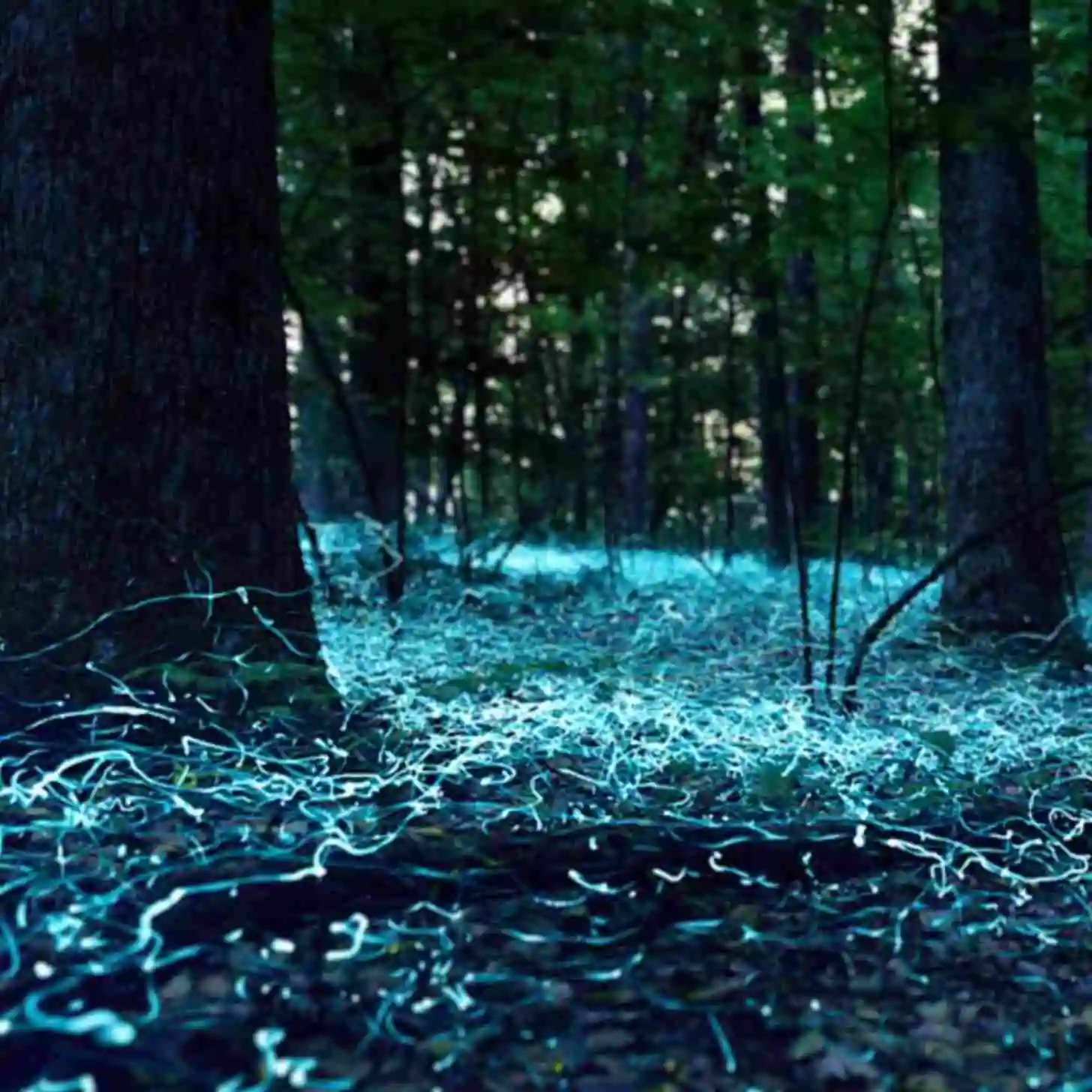
Among the park’s most magical summer phenomena is the return of the blue ghost firefly (Phausis reticulata), a rare bioluminescent beetle found only in the Southern Appalachian Mountains.
Unlike common backyard fireflies, blue ghosts don’t blink — they glow, with a steady, ghostly blue-white light that floats silently through the underbrush like something out of a fairytale. The experience draws visitors from all over the world — many of them guided by local conservation experts like Dallas Martin of FIND Outdoors.
“Every year, the Blue Ghost Firefly Tour offers visitors a magical glimpse into one of nature’s most captivating sights,” Martin said in a recent release. “It’s not just about beauty. It’s about conservation, education, and protecting the ecosystem that makes this possible.”
Firefly tours have become a symbol of hope and resilience this year — especially after concerns that the storm might have wiped out entire generations of the beetles.
“As far as fireflies are concerned, the larvae live underground for a year,” explained Becky Nichols, an entomologist with the park. “The low-lying areas got inundated, and we will see some impact. But there are enough reserves — they’re coming back.”
And they have. Since early May, rangers and naturalists have reported healthy populations of blue ghosts — a shimmering sign that the forest is rebounding.
Protecting the Magic
In addition to blue ghosts, the park hosts the famous synchronous fireflies (Photinus carolinus), which blink in near-perfect unison during their brief mating season. The synchronized display is so delicate — and so popular — that park officials now run a lottery system to control crowds and reduce light pollution that could disrupt the beetles.
“Blue ghosts are especially sensitive to light,” said Nicole Will, a local naturalist with Asheville Wellness Tours. “Even a phone screen is enough to make them disappear. But people are learning. They’re respectful. It’s amazing what happens when you give nature room.”
Will says the firefly tours — and the tourists they bring — have been essential to Asheville’s recovery.
“It’s a huge morale boost to have people back in our shops and on our trails,” she said. “Almost every business here is locally owned. When you support us, you’re helping someone who went through that flood, who lost something — but stayed.”
Asheville, Reimagined
From sipping craft beer on a downtown patio to walking misty forest trails lit by natural firelight, Asheville is once again ready to share its magic — not just as a destination, but as a community that knows how to rebuild, reconnect, and glow.
“What we do every day,” Will said, “is invite people to fall in love with this place. That’s how you protect it.”