

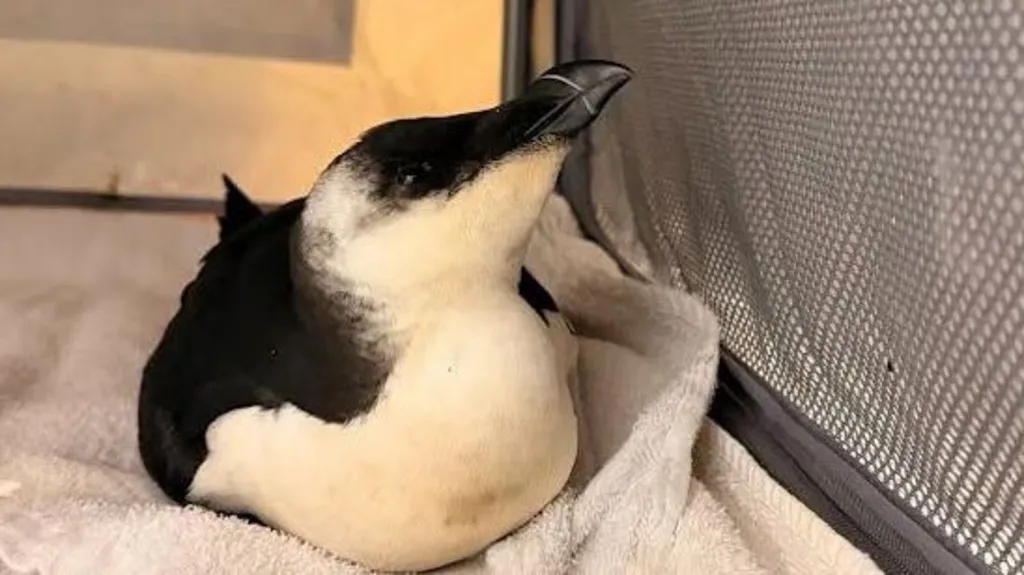
A seabird rescued from the rocky shoreline of Jersey is fighting to recover, but the animal charity caring for it is facing an unexpected problem.
The bird, a razorbill, was discovered covered in oil and stranded at Bouley Bay on November 24, 2026.
It was weak, underweight, and in urgent need of help.
Staff at the Jersey Society for the Prevention of Cruelty to Animals (JSPCA) carefully cleaned the bird and began caring for it. But its condition remained serious.
Now, with two other seabirds also depending on the shelter, the organization has issued an unusual appeal.
It urgently needs sand eels.
An Oil-Covered Bird Is Found Stranded on the Shore
The razorbill was discovered among the rocks at Bouley Bay, far from the open-water conditions in which these seabirds normally thrive.
Its feathers were contaminated with oil, a potentially life-threatening problem for birds that depend on waterproof plumage to survive at sea.
Oil can disrupt the natural insulation and waterproofing of a seabird’s feathers, leaving it vulnerable to cold temperatures and exhaustion.
The contamination can also create additional health risks when birds attempt to clean themselves.
By the time the razorbill reached the JSPCA, it was already severely weakened.
Rescue staff carefully washed the oil from its feathers, hoping to give the bird a chance to recover.
But the treatment was only the beginning.
The charity warned that the razorbill was still extremely weak and underweight, and its survival remained uncertain.
Three Seabirds Are Depending on the Shelter
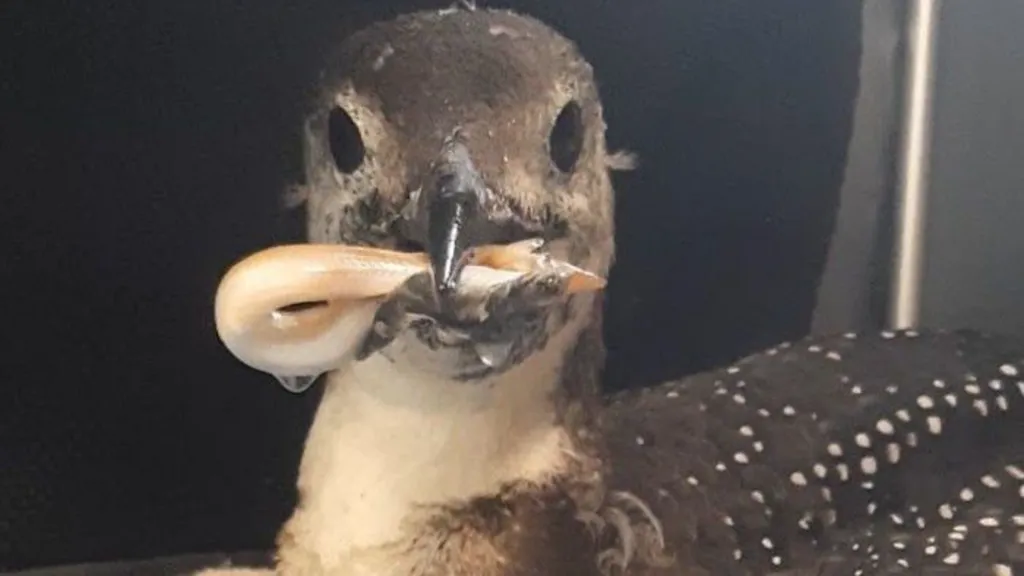
The rescued razorbill isn’t the only seabird currently receiving care at the JSPCA.
Two guillemots are also staying at the shelter.
Like razorbills, guillemots are diving seabirds that feed on small fish in marine environments.
Caring for these animals requires appropriate food, regular monitoring, and a suitable environment where they can regain their strength.
But the shelter recently discovered that its supply of one important food was running low.
Sand eels, a natural part of many seabirds’ diets, were becoming increasingly scarce in its stores.
With three birds depending on the charity, maintaining a reliable supply had become a priority.
Why Sand Eels Are So Important
Despite their name, sand eels are small, elongated fish rather than true eels.
They are an important food source for several species of seabirds, including razorbills and guillemots.
These fish provide nutrition that supports the birds’ energy needs, especially when they are recovering from illness, injury, or exhaustion.
For the JSPCA, having enough appropriate food available is an essential part of caring for its seabird patients.
The organization explained that sand eels are particularly popular with many of the birds it rehabilitates.
That’s why staff decided to reach out to the public.
Rather than waiting until the shortage became more serious, they asked local people to help replenish their supplies.
The Charity Makes an Unusual Request
The JSPCA is appealing to Jersey residents, particularly anglers and fishers, who may be able to provide sand eels.
People purchasing fishing bait have been encouraged to consider buying an extra packet for the shelter’s seabirds.
The charity hopes that contributions from the community will help maintain a sufficient food supply while the animals receive treatment.
Even small donations could make a meaningful difference.
For the oil-covered razorbill, nutritious food is particularly important because it was already underweight when rescued.
The two guillemots also need continued care.
The appeal highlights a side of animal rescue that often receives less attention.
Saving a wild animal from immediate danger is only the first step.
Recovery can require days or weeks of appropriate feeding, medical care, and patient monitoring.
Without those resources, even a successful rescue may not lead to a successful release.
A Fragile Bird Still Has a Chance
When the razorbill was found stranded at Bouley Bay, its condition was alarming.
Its feathers were covered in oil, and it was too weak to cope without assistance.
Thanks to the people who brought it into care, the bird is now receiving attention from experienced animal welfare staff.
But its future remains uncertain.
The JSPCA has not confirmed that the razorbill has fully recovered or is ready to return to the sea.
For now, the shelter is focused on providing the best possible care for all three seabirds.
And that means making sure they have enough to eat.
The organization’s appeal is a reminder that wildlife rescue is often a community effort.
Some people help by reporting injured animals. Others provide emergency treatment or rehabilitation.
And sometimes, an ordinary packet of fish can become part of an animal’s second chance.
The little razorbill rescued from the rocks isn’t out of danger yet. But with dedicated caregivers and support from Jersey’s community, it has a better chance of returning to the ocean where it belongs.