
When John and Molly Chester decided to turn a struggling piece of California farmland into a thriving ecosystem, they knew it wouldn’t be easy.
What they didn’t fully anticipate was just how much they would learn from the animals and wildlife sharing their land.
From thousands of destructive gophers to coyotes hunting their chickens, the couple faced challenges that initially seemed impossible to manage.
But instead of trying to eliminate every troublesome creature, they began discovering something remarkable: nature already had solutions to many of their problems.
Now, the couple behind the acclaimed documentary The Biggest Little Farm is sharing the next chapter of their extraordinary journey through a new documentary series available for free on YouTube.
The Biggest Little Farm Returns With a New Documentary Series
In 2018, filmmaker John Chester introduced audiences to an ambitious farming experiment through the documentary The Biggest Little Farm.
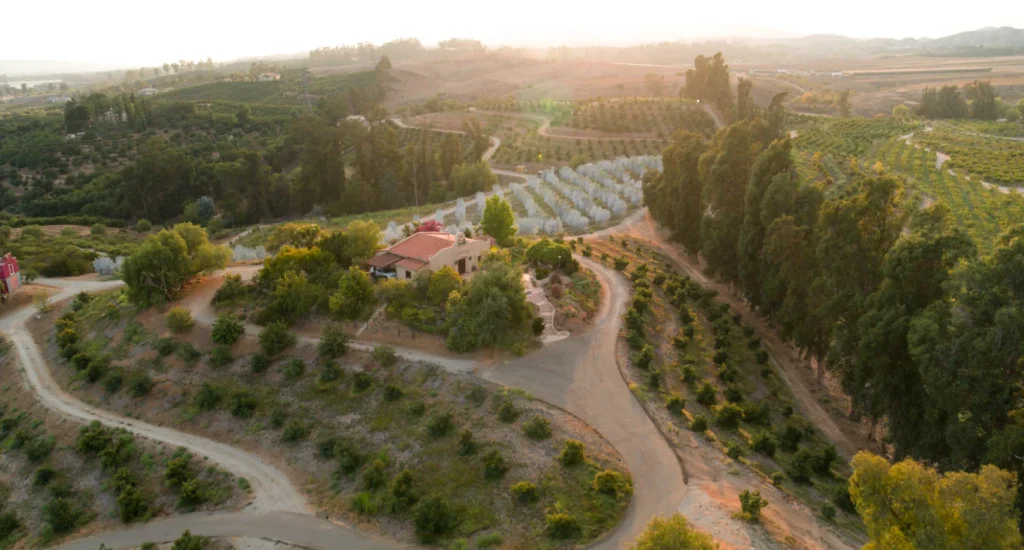
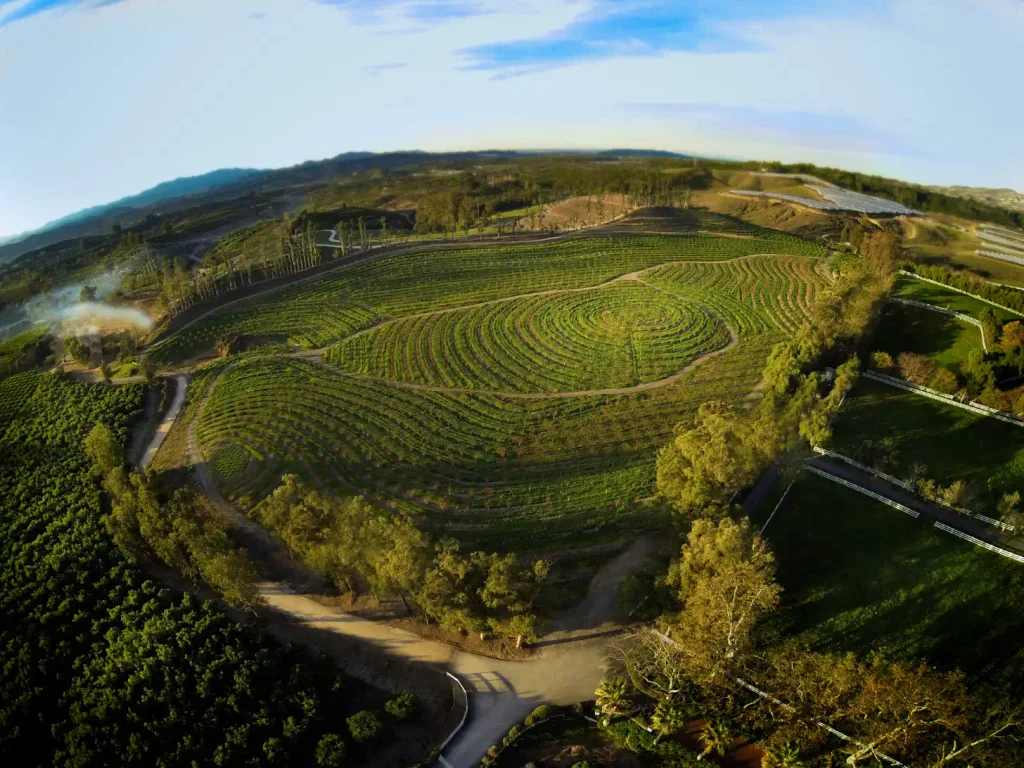
The film followed Chester and his wife, Molly, as they purchased 234 acres of dry, neglected farmland in Moorpark, California.
Their goal was to transform the property into a productive, sustainable farm while restoring the natural ecosystem.
Over seven years, the couple worked to improve soil health, grow diverse crops, raise livestock, and encourage wildlife to return.
The project became an inspiring example of what can happen when farmers begin working with nature rather than constantly fighting against it.
Now their story is continuing.
A new docuseries premiered on November 8, 2026, on The Biggest Little Farm’s official YouTube channel.
The series takes viewers beyond the original documentary, exploring the continuing challenges and unexpected rewards of managing a farm where wildlife plays an essential role.
At the heart of the new series is a simple but powerful philosophy: healthy agricultural systems depend on understanding the relationships between plants, animals, soil, and the surrounding environment.
And sometimes, those relationships reveal surprising solutions.
Farmers Spend $100,000 a Year Trying to Control Gophers
One of the biggest challenges the Chesters encountered involved an animal that many farmers consider a serious pest.
Gophers.
These small burrowing mammals were causing extensive damage across the farm, feeding on the roots of valuable trees and threatening entire root systems.
The problem became so severe that the couple spent enormous amounts of money trying to control the population.
According to John Chester, the farm was spending approximately $100,000 annually to trap around 10,000 gophers.
Despite these efforts, the animals continued causing problems.
Eventually, Chester began questioning whether there might be a better way to handle the situation.
Instead of focusing exclusively on how many gophers the farm could trap, he started considering the animals that naturally hunted them.
What if encouraging predators to thrive could reduce the need for expensive pest control?
The answer led to one of the farm’s most fascinating discoveries.
Barn Owls Become Unexpected Allies in Natural Pest Control
As the Chesters studied the wildlife living around their property, they began recognizing the remarkable value of barn owls.
These nocturnal birds of prey naturally hunt small mammals, including gophers.
And on the Chesters’ farm, their contribution appeared to be enormous.
After years of observation and calculations, Chester estimated that barn owls were consuming approximately 35,000 gophers annually across the property.
That figure was far greater than the number the farm had been paying to trap.
For the couple, the discovery changed how they viewed wildlife.
Instead of seeing wild animals as separate from farming, they began recognizing them as essential contributors to the agricultural system.
The owls provided a natural form of pest management while benefiting from suitable habitat.
The revelation also encouraged Chester to reconsider other animals that had previously caused difficulties on the farm.
Especially coyotes.
Coyotes That Attacked Chickens Turn Out to Be Surprisingly Valuable
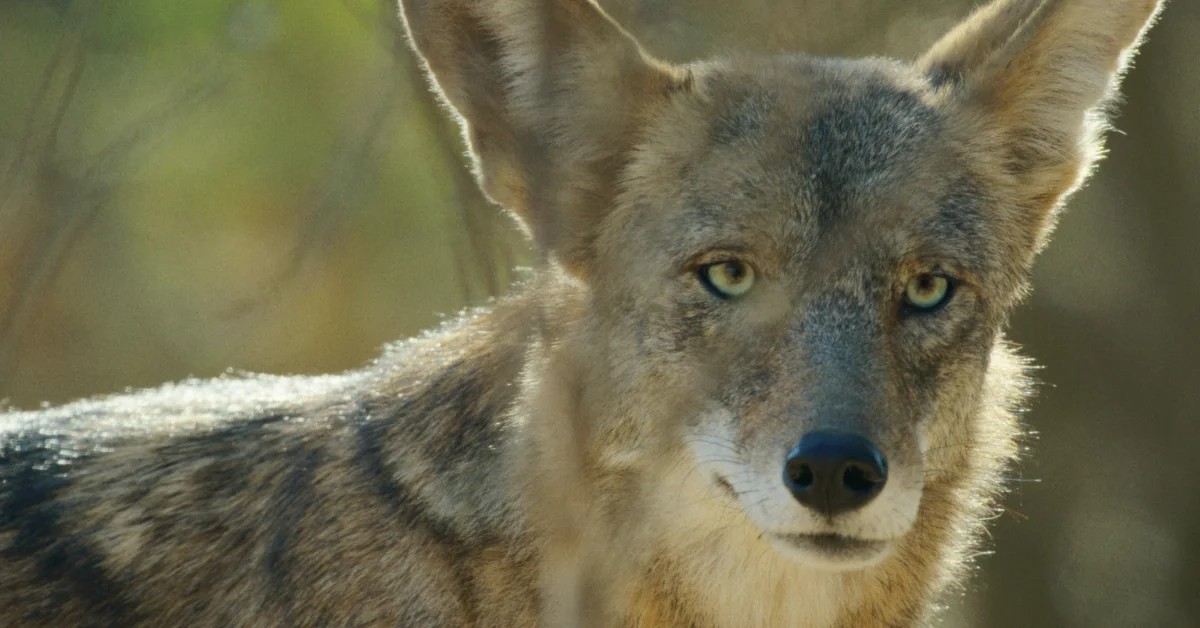
For years, coyotes had been a frustrating presence on the Chesters’ property.
The predators occasionally killed chickens, creating losses for the farm and making them seem like unwelcome visitors.
But when Chester examined their broader role in the ecosystem, he discovered that the situation was more complicated.
The coyotes weren’t just hunting chickens.
They were also consuming large numbers of gophers.
According to the farm’s estimates, their gopher-hunting activity represented approximately $50,000 worth of pest control.
Chester estimated that around 10 coyotes, belonging to two or three packs, regularly occupied the surrounding area.
Although the animals sometimes caused problems, they also helped limit a pest population that could seriously damage the farm’s trees.
That realization encouraged the couple to evaluate the entire ecological picture rather than judging predators solely by the losses they occasionally caused.
It didn’t mean that coyotes stopped posing risks to livestock.
Instead, the Chesters learned to consider both the benefits and challenges of sharing their land with wildlife.
And their discoveries didn’t stop there.
Frogs, Snakes, and Other Wildlife Help Protect the Farm
As biodiversity increased across the property, the couple began identifying more connections between wildlife and agricultural productivity.
Among the surprising helpers were Baja California chorus frogs.
These small amphibians feed on insects called thrips, which can damage developing avocados.
When thrips feed on young fruit, they can leave scars that remain visible as the avocado grows.
Although the damage is largely cosmetic and doesn’t necessarily affect the fruit’s quality, it can significantly reduce its commercial value.
For avocado farmers, this can create substantial financial losses.
But Chester discovered that a diverse ecosystem could help reduce pest pressure naturally.
The frogs weren’t the only animals contributing.
Gopher snakes, weasels, badgers, and other predators also played roles in controlling animals that could harm crops.
By creating habitat for a variety of species, the couple encouraged an increasingly complex network of natural relationships.
Rather than relying on a single solution for each agricultural problem, they began benefiting from the combined effects of many different animals.
For Chester, these experiences reinforced an important lesson.
A healthy farm is not simply a collection of crops and livestock.
It is a living ecosystem where countless organisms influence one another.
Regenerative Farming Means Learning to Live With Nature
The Chesters’ farming philosophy centers on restoring natural processes and allowing ecosystems to become more resilient.
Their approach reflects principles associated with regenerative agriculture, including improving soil health, encouraging biodiversity, and working with natural ecological relationships.
But Chester emphasizes that this style of farming doesn’t eliminate difficulties.
In fact, it often requires farmers to become more observant and adaptable.
Nature rarely behaves according to a predictable schedule.
Wildlife populations change, weather creates new challenges, and unexpected ecological relationships can influence agricultural decisions.
For the Chesters, learning to respond to that unpredictability has become part of the experience.
Their goal isn’t to create a farm without problems.
Instead, they aim to develop a system where plants, animals, soil, and people can support one another.
That requires making difficult decisions, recognizing ecological trade-offs, and accepting that not every wild animal will always behave in ways that benefit the farm.
The new documentary series explores these challenges while showing how the couple continues learning from the land.
Why The Biggest Little Farm Series Is Free on YouTube
One of the most notable decisions behind the new docuseries is how audiences can watch it.
Rather than limiting access through a traditional subscription platform, the Chesters chose to make the series available for free on YouTube.
Their hope is to reach people around the world who might otherwise never encounter the ideas behind regenerative farming.
John Chester believes that stories about nature should encourage curiosity and creativity rather than leave viewers feeling powerless about environmental challenges.
By sharing the farm’s experiences openly, he hopes to inspire a new generation of farmers, conservationists, and everyday nature enthusiasts.
The series aims to demonstrate that restoring natural systems can involve setbacks, difficult decisions, and unexpected discoveries.
It also highlights the resilience that ecosystems can develop when biodiversity and natural relationships are allowed to flourish.
For viewers, the documentary offers an opportunity to learn about sustainable agriculture through real experiences rather than abstract concepts.
The Biggest Little Farm Is Also Heading Into Classrooms
The Chesters’ mission to inspire environmental curiosity isn’t limited to documentaries.
A new educational initiative is scheduled to launch in January 2027.
Developed through a collaboration between the Rodale Institute, American Farmland Trust, and FarmLore Films, The Biggest Little Farm Classroom will introduce students to regenerative organic agriculture.
The program will provide STEM-based educational materials designed to help children understand connections between healthy soil, food production, ecosystems, and human well-being.
Jeff Tkach, CEO of the Rodale Institute, believes the documentary’s storytelling can help children become more interested in the natural world.
The curriculum is intended to encourage students to ask questions, explore scientific concepts, and understand the importance of caring for the land.
Educational resources are expected to be available for schools to download.
For the Chesters, the collaboration represents another opportunity to extend the impact of their farm beyond California.
Teachers have already used the original documentary to help students become more engaged with environmental science.
The new curriculum aims to build on that interest by connecting classroom learning with the real-world challenges of agriculture.
A California Farm Offers a Different Way to Think About Nature
What began as an ambitious attempt to restore 234 acres of damaged farmland has grown into a larger story about resilience, biodiversity, and the relationship between people and the natural world.
John and Molly Chester have discovered that some of the animals they once considered problems can also provide important ecological benefits.
Barn owls help control gophers.
Coyotes contribute to natural pest management.
Frogs, snakes, and other wildlife support the delicate relationships that influence crop production.
And each discovery has encouraged the couple to look more closely at the ecosystem surrounding them.
With their new documentary series and upcoming educational program, the Chesters hope to inspire others to approach environmental challenges with curiosity.
Their story doesn’t suggest that working with nature is always easy or that every agricultural problem has a simple natural solution.
Instead, it demonstrates the value of observing ecosystems, understanding relationships, and exploring new approaches to managing land.
After years of learning from the wildlife around them, the Chesters are sharing a message that extends far beyond their farm: sometimes, protecting nature begins with understanding how much it already does for us.
Watch the series on The Biggest Little Farm’s official YouTube channel.