

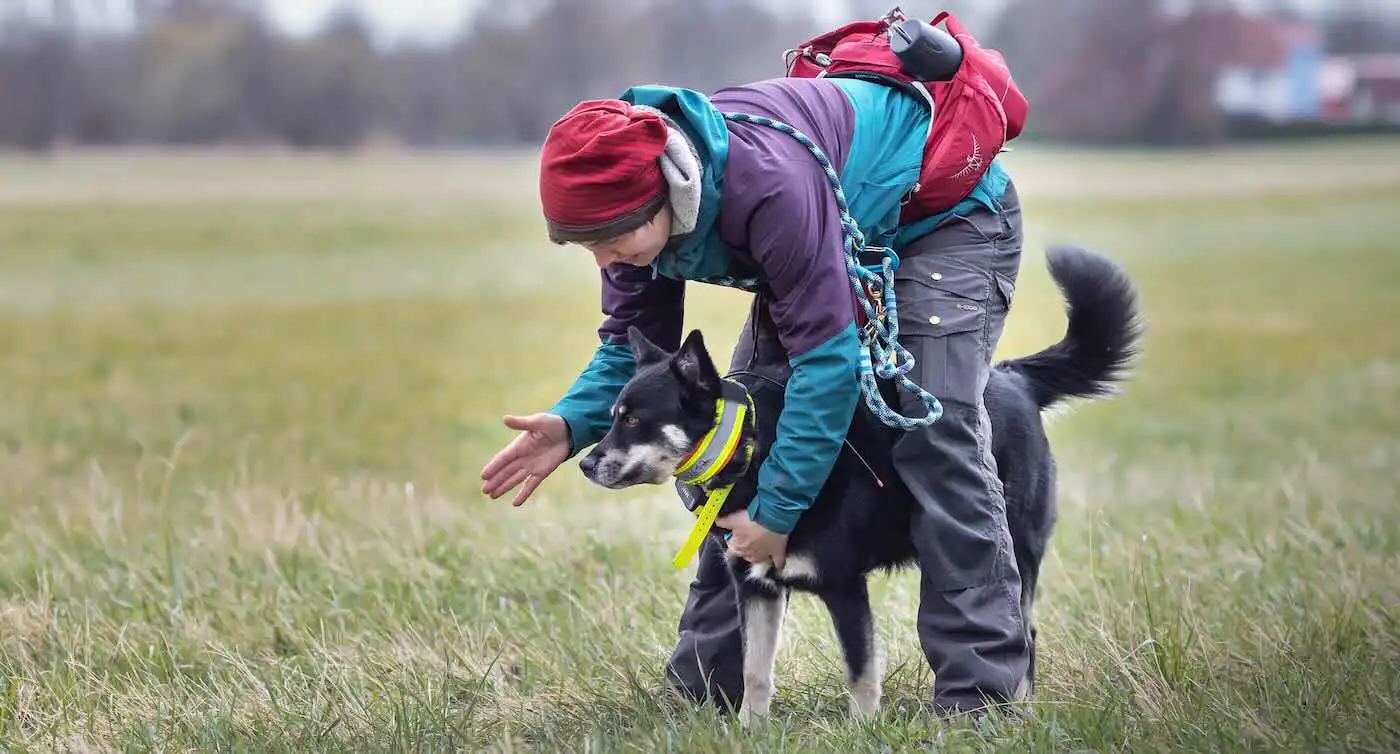
Dogs have long amazed humans with their extraordinary sense of smell. From finding missing people to detecting dangerous substances, their noses can accomplish things that even advanced technology struggles to replicate.
Now, scientists in Germany have discovered another remarkable way dogs could help the world: protecting nature from invasive plants.
In an innovative conservation project, researchers trained ordinary pet dogs and their owners to locate harmful non-native plants before they spread further into natural habitats.
The results were encouraging, with trained dog-handler teams achieving an average detection success rate of 75% during field testing.
And scientists believe this approach could open the door to a new form of wildlife conservation that everyday dog owners can participate in.
Scientists Discover a New Way to Fight Invasive Plant Species
Invasive plants are a serious threat to ecosystems around the world.
When non-native species establish themselves in new environments, some can spread aggressively, competing with native plants for sunlight, water, nutrients, and growing space.
Over time, these invasions can disrupt ecosystems, reduce biodiversity, and create costly challenges for conservation organizations.
One of the biggest problems is finding invasive plants early enough to prevent them from spreading.
Traditional monitoring often requires experts to search large areas on foot, making the process expensive and time-consuming.
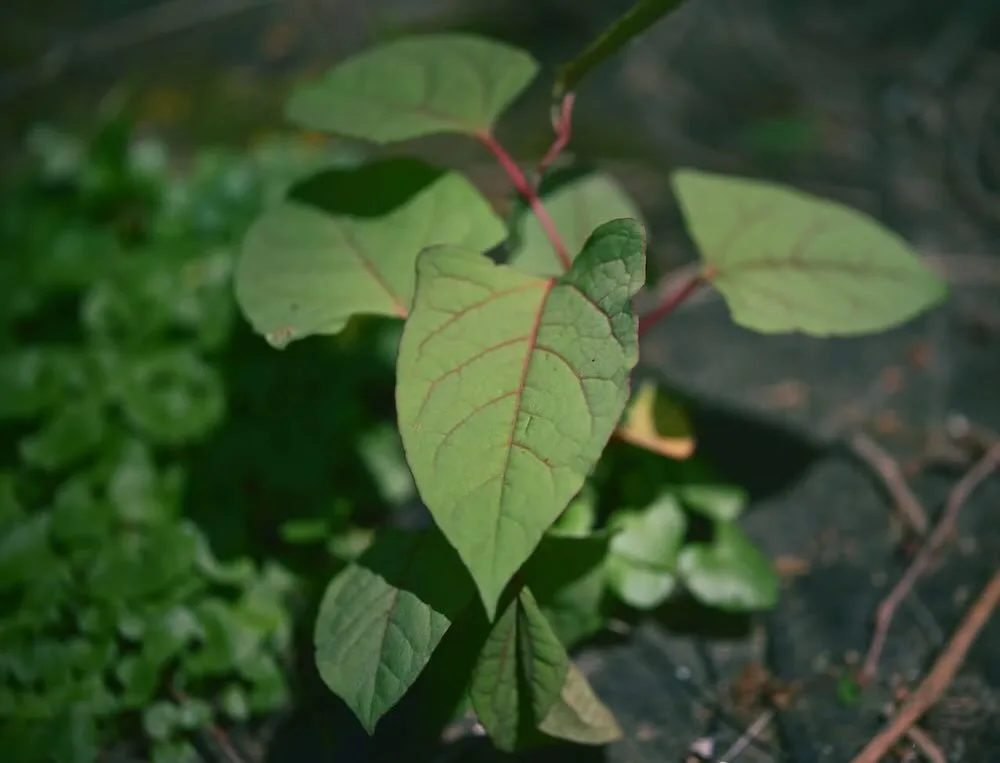
In some cases, invasive species remain unnoticed until they have already established significant populations.
Researchers at the Helmholtz Centre for Environmental Research (UFZ) in Leipzig, Germany, began exploring a different solution.
What if the powerful noses of domestic dogs could help conservationists detect invasive plants before they became widespread?
31 Dogs Join an Unusual Conservation Training Program
Dr. Annegret Grimm-Seyfarth and her research colleagues developed a training program that brought together volunteer dog owners and their pets.
Rather than relying exclusively on professionally trained detection dogs, the scientists wanted to determine whether ordinary people could help monitor invasive species.
Between 2021 and 2023, a total of 31 dogs and their handlers participated in training.
The dogs were taught to recognize the scents of three particularly troublesome invasive plant groups:
- Japanese knotweed and related knotweeds: Aggressive plants capable of forming dense stands that displace native vegetation.
- Himalayan balsam: A fast-growing invasive plant that can spread rapidly along rivers and other moist habitats.
- Common ragweed: A non-native plant that can threaten biodiversity and produce highly allergenic pollen.
These plants were chosen because their spread presents significant ecological and management challenges.
By learning to identify their scents, the dogs could potentially help scientists find infestat